Dr Koldo Casla, project lead of Human Rights Local, has submitted evidence to the UN Committee on Economic, Social and Cultural Rights for their inquiry into the state of socio-economic rights in the UK. Socio-economic rights include, among others, the right to housing, food, education, social security, health, access to work and good working conditions, all of which are recognised in the 1966 International Covenant on Economic, Social and Cultural Rights (ICESCR).
Launched in 2020, Human Rights Local is a project of Essex Human Rights Centre to make human rights locally relevant in the UK.
Every few years, the 170+ states that have ratified ICESCR ought to report to the UN Committee on Economic, Social and Cultural Rights (CESCR) on the policies they are implementing to respect, protect and fulfil socio-economic rights. For the UK, the last review was completed in 2016. The current one began in 2022 and will end with a UN report, known as ‘concluding observations’, that will probably be published around mid-2025. This report will be based on information provided by the UK government and devolved administrations, as well as evidence from three National Human Rights Institutions (the Equality and Human Rights Commission, the Scottish Human Rights Commission and the Northern Ireland Human Rights Commission), and evidence from NGOs and academics. On 13-14 February, the UN Committee will meet with civil society groups and NHRIs in Geneva, and it will also hold a ‘constructive dialogue’ with UK government representatives.
As part of Human Rights Local, Dr Koldo Casla has provided support to community groups and people with lived experience of poverty so they could provide their own evidence to the UN and their recommendations to bring about the necessary changes to improve their lives. This is part of GRIPP (Growing Rights Instead of Poverty Partnership), of which Essex Human Rights Centre is a founding member.
In addition, Dr Casla has also conducted research for Amnesty International about the extent to which the UK’s social security system (Article 9 ICESCR) meets international standards in relation to the right to social security. The study will be published later this year, but beforehand Amnesty International will rely on the evidence and the recommendations in their advocacy with the UN Committee on Economic, Social and Cultural Rights.
Dr Casla has also co-authored two submissions for the UN Committee. One of them identifies a series of concerns about the level of enjoyment of the right to health (Article 12 ICESCR) among Gypsy, Roma and Travelling communities in the East of England. It is based on qualitative evidence in the form of testimonies gathered in 37 peer-to-peer interviews conducted by four partner organisations – COMPAS, GATE Essex, Oblique Arts, and One Voice 4 Travellers – between June and August 2023. The evidence was part of the project “Building a community of practice to identify strengths, barriers and prioritise solutions to the right of access to healthcare for Travelling Communities”, led by colleagues in the School of Health and Social Care, and funded by the National Institute for Health and Care Research, between February 2023 and August 2024. The qualitative evidence compiled in the document is the unreserved confirmation that the UN’s concerns persist in relation to stigma, prejudice, discrimination, lack of informational accessibility and lack of cultural acceptability of healthcare for Gypsy, Roma and Traveller communities. This is reflected in the lack of cultural awareness in availability of suitable health professionals, lack of non-English language provision, problems of trust due to lack of cultural competence, lack of understanding of issues around literacy, and ongoing social exclusion, particularly digital exclusion.
The second submission goes hand in hand with the anti-poverty human rights NGO ATD Fourth World. It examines the impact of child protection services on families in poverty. Creating a social security system that guarantees the essentials in life, regulating for-profit children’s homes, and extending peer-parent support are among a list of recommendations to preserve the right to protection and assistance to the family (Article 10 ICESCR) for households living in poverty.
As argued by Dr Casla and Lyle Barker in a paper published in the Journal of Human Rights Practice in 2024, lived experience brings both epistemic and instrumental value to human rights research. In relation to the former value, in a peer-led process, people with lived experience of poverty do not simply provide evidence, data and information. Instead, they rank their concerns, frame their grievances in their own terms and decide about their priorities and the research methodology. This approach intends to address the epistemic injustice that silences people in poverty and dismisses their knowledge. In relation to the second value, the instrumental one, lived experience can help detect the real impact of the distinguishing features of specific human rights. For example, in relation to child protection services, a peer-led and participatory action research with families showed that one of the instrumental values of putting lived experience first is that it can reveal the true nature, prevalence and damage of povertyism – the negative stereotyping of people in poverty – on people in poverty.
If you are an aspiring legal scholar seeking advanced training in law within a dynamic research environment that encourages innovation and interdisciplinary exploration, a Doctoral Training Partnership at Essex Law School could be your gateway to an exciting academic journey.
Essex Campus in the winter, Credit: University of Essex.
What are SENSS and CHASE?
The South and East Network for Social Sciences (SENSS), an ESRC-funded Doctoral Training Partnership (DTP), is dedicated to fostering innovative and inclusive social science research training and collaboration. Among the eight distinguished institutions comprising SENSS, the University of Essex plays a pivotal role as the coordinating institution.
The Consortium for Humanities and the Arts South-East England (CHASE) is an AHRC-funded Doctoral Training Partnership, providing funding and training opportunities to the next generation of world-leading arts and humanities scholars. Essex is one of the 8 world-leading institutions that comprise the membership of the CHASE DTP.
SENSS and CHASE provide fully funded doctoral studentships, mentorship from global experts, and advanced subject-specific and research methods training. These opportunities empower researchers to extend their social scientific skills beyond academia.
Here at the Essex Law School and Human Rights Centre, aspiring PhD students can apply for SENSS and CHASE studentships, unlocking comprehensive support and collaborative excellence in their academic journey.
Why choose the Essex Law School?
Choosing where to pursue your doctoral training is a significant decision. At the Essex Law School, we have meticulously crafted an environment that champions excellence and fuels innovation. Here is why you should join us:
We are a research powerhouse. Our Law School has been ranked 3rd in the UK for research power in law according to the Times Higher Education research power measure (REF2021). Law at Essex is also ranked 47th in the THE World University Rankings, which show the strongest universities across the globe for key subjects (and 9th for UK Universities). This speaks volumes about the calibre of research conducted within our School. Our academic staff collaborates globally, working with the United Nations, the European Union, governments, and non-governmental organisations.
We believe in the power of interdisciplinary research. Our dynamic research clusters foster collaboration across diverse backgrounds, creating a vibrant intellectual space for innovative and stimulating legal exploration.
With expertise spanning diverse legal disciplines, our academics are the driving force behind the Law School’s excellence. Our faculty boasts exceptional scholars, providing intellectual leadership in key areas, including Human Rights Law, led by Professor Carla Ferstman who is Director of the Human Rights Centre; International & Comparative Law led by Professor Yseult Marique, an associate member of the International Academy of Comparative Law; Private and Business Law, led by Professor Christopher Willett who also spearheads the Law, Business and Technology Interdisciplinary Hub; as well as Public Law & Sociolegal Studies, led by Professor Joel I Colón-Ríos, who is also a member of the Constitutional and Administrative Justice Initiative (CAJI). Our academic leads are ready to guide you and link you with the ideal academic mentors.
Our research student community is central to our success. These talented colleagues explore a broad range of exciting topics under expert supervision, forming a vibrant tapestry of ideas.
We asked Boudicca Hawke about her experience as a CHASE-funded doctoral student at Essex Law School.
“CHASE is a great DTP to be a part of. It is a quite a competitive funding source, but the application process itself is accessible. Especially at Essex, there’s a tremendous amount of support throughout the entire process, which really helps. There are a few rounds of revision you’ll need to go through, so it does require consistent work, but really, it’s wonderful to have guidance and support at every step so you can end with the best proposal possible.
I chose to apply primarily because of the holistic way CHASE supports affiliated doctoral researchers and encourage interdisciplinary research. Beyond the funding, CHASE also hosts annual conferences and year-round research network meetings where you can collaborate closely with other doctoral researchers who share interests but come from different universities and backgrounds. CHASE also has an incredible placement scheme, where you can get hands-on experience throughout the PhD process which is quite valuable.”
Boudicca, who is working on the status of fighters in non-international armed conflict, also shared some insights about the preparation of a research proposal: “Try to be as clear in the proposal as possible. Many of the reviewers won’t be experts in your field, so communicating the issue at-hand and value of your work in an easily digestible way is key. It can also be quite helpful to make sure you highlight relevant work experience and show why you are well-suited to do your specific project. If you don’t get it the first time around, don’t be afraid to re-apply!’’
We also talked to Matteo Bassetti, one of our SENSS-funded doctoral students. For Matteo, whose work focuses on the rights of trans people, and the underestimation of harm inflicted by States through institutional pathologisation frameworks, told us that SENSS “has contributed in many ways to my PhD experience, and has allowed me to take part to training that I would have otherwise been unable to attend. I am hoping to go on an Overseas Institutional Visit in the next term to broaden my network and horizon. However, if I have to be honest, I am still looking for more ways to use the opportunities offered by SENSS in the best way.”
He also gave us some tips about the application process: “Start ahead of time. SENSS is looking not only at the quality of the individual applicant’s proposal, but also at the match between student and supervisors. Treat your application as a collaboration between you and your supervisors, where you need to do the heavy lifting. Be prepared to modify your dream proposal to make it fit better with the selection criteria.”
Where can you find out more?
Explore the opportunities offered by the SENSS and CHASE scholarships at the Essex Law School on our informative webpages. Discover eligibility criteria, application processes, and the outstanding benefits that await you by accessing the downloadable documents provided below.
For inquiries about legal research and the SENSS and CHASE schemes, please contact Professor Joel I Colón-Ríos, our Postgraduate Research Director.
Specific questions about academic disciplines? You can also reach out directly to our dedicated Academic Leads (mentioned above) who can put you in touch with suitable supervisors.
Embark on your journey to become a world-leading scholar in law. Do not miss the chance to benefit from these funding opportunities at the Essex Law School, where innovation, excellence, and transformation define the doctoral experience.
The book is about arbitrary detention, but it is also a reflection on the shifting meaning of arbitrariness as a concept. I consider how forms of marginalisation and other arbitrary factors influence who will be detained, when, for how long and in what conditions. Policies of securitisation, regimes of exception, and criminalisation have exacerbated these arbitrary distinctions given their propensity to target “otherness,” even though there is nothing exceptional about “otherness.” How these policies are applied, and their impact on individuals and communities, depends on the underlying political values and goals at stake, which differ between countries and over time.
The book also explores how arbitrary detention has become normalised. It is used purposively by governments to foster divisions and to enforce hostility against socially marginalised groups who I classify in this book as: the “unseen” (those marginalised on account of their destitution and/or extreme social needs); the “reviled and resented” (the recipients of racist, xenophobic and discriminatory attacks); and the “undeserving” (refugees and other migrants). When arbitrary detention is normalised, it becomes impossible for courts to only countenance detention that is exceptional – the logic no longer works. So, this conundrum is analysed from different angles and factual contexts.
Why did I write it?
The idea for the book crept up on me in a non-linear way. It was always the book I wanted to write but it took some internal prodding and mental gymnastics for me to figure out how to articulate the urgency that I was feeling about the subject matter in a way that made sense on the page. So, framing the ideas, and the ideas within the ideas took time. In many ways the book is a homage to all the survivors of arbitrary detention I have been privileged to know and support, and to all the courageous human rights defenders, lawyers and psychologists who continue to work in this space.
How did I go about doing this research?
The methodology question is never straight-forward and the sociolegal purists may want to turn away now!
My ideas about the subject matter stem from about two decades of legal practice and advocacy working with victims of torture and seeing up close the suffering people undergo while in detention. So, there was a significant evidence base from where I derived my thinking, but it was quite diffuse, deeply personal and of course, subjective.
The purpose it served in the research process was mainly to guide me with the crucial task of figuring out what themes I needed to foreground. A good example of this is the decision I took to delve into the relationship between arbitrariness and torture. I claim that the disorientation, despair, uncertainty, lack of agency that arbitrariness produces (also considering the extensive psychological literature) is so harmful psychologically that it can rise to the level of torture (all other elements of torture being present). My decision to tackle this theme stems from years of speaking with clients about how arbitrariness in and of itself, made them feel. It also helped me to work out where I wanted to situate my thinking critically on the side of key debates. An example of this is how I critically examined the caselaw on socially excluded and marginalised groups and began to confront the failure of some courts to confront the phenomenon of industrial-scale arbitrary detention.
Then, I would say there are different layers to the book, and some of these layers are more pronounced or prominent, depending on the chapter. There is a layer which is in the classic style of human rights rapportage; going through reams of testimonials and reports to locate patterns and derive meanings and using individual narratives to give context. Another layer is the analysis of how regional and international courts have addressed the phenomenon of arbitrary detention. So, there is a deep doctrinal analysis of the caselaw and how certain findings came to be. But, because much of the caselaw lacks an obvious internal coherence I also use a variety of critical legal theories, social theory, and political philosophy to help me with the task of making sense of what has little obvious internal logic.
I enjoyed the process of pulling the text together; here’s to hoping readers will find it just as enjoyable to read!
The Minories, an art gallery based on the High Street in Colchester, hosted an evocative exhibition on ‘expressions of trauma’ run by Healthwatch Essex and led by Sharon Westfield de Cortez and Kate Mahoney. This exhibition delved deep into the complex layers of trauma, with a range of exhibits exploring themes such as pain, illness, abuse, grief and loss, with art being used as a medium to empower and shared the voices of those who chose to participate in the exhibition in October and November 2024.
One of the exhibits is the result of innovative research collaboration between Dr Stella Bolaki from the University of Kent and Dr Samantha Davey from the University of Essex. This research project was kindly funded and supported by both researchers’ institutions via awards designed for knowledge exchange, impact activities and public engagement.
The works included in the ‘Expressions of Trauma’ exhibition from this project are artists’ books created during specialised workshops led by Dr Bolaki. These workshops provided a safe, creative space for mothers who have suffered the painful experience of child loss via adoption proceedings. Many participants shared their personal narratives, crafting their stories into tangible art forms that speak to their emotional journeys through care and/or adoption proceedings and in the aftermath of those legal processes.
Credit: Chloe Sparrow
The artists’ books featured are a powerful reflection of each of these mothers’ experiences. Each page contains raw emotions and displays feelings of love, grief, sadness, anger, frustration and, ultimately, resilience. Through art, these mothers have found a way to express pain and connect with others facing similar struggles. This powerful element of storytelling through art is what made the ‘Expressions of Trauma’ exhibition not just an art display but a shared space for dialogue between mothers, professionals and the wider public – as well as a space for reflection, healing and social justice. One of the books included showed an image from the Disney film, Dumbo, the elephant who was separated from his mother. This image is accompanied by the haunting lyrics of ‘Baby Mine’, highlighting the raw grief and loss experienced because of the separation of mother and child. Diana Defries, spokesperson at Movement for an Adoption Apology, has a book titled ‘An Ocean Between Us’, poignantly representing the gulf between a mother and child over many years.
This exhibit also highlights the importance of the roles played by professionals who support these mothers. Barrister Sneha Shrestha, local art therapist Chloe Sparrow, and Kent-based counsellor Amanda Swan contributed their insights and expertise, showing how the artist’s book can assist professionals as well, as a tool in processing trauma. Chloe Sparrow’s emotive painting of a mother and child features prominently in the exhibition, capturing the essence of the bond that endures even in loss.
This exhibit demonstrates acutely that healing is not a solitary journey; it is often facilitated by the connections we make with others personally and professionally. The inclusion of professionals in this dialogue makes the narrative of the exhibit more powerful, adding layers of understanding and compassion, showing how professionals themselves connect with the raw grief experienced by mothers.
Visitors are encouraged to engage with the stories behind the books. Each artist’s book is a book of emotion, inviting reflection and empathy from anyone who encounters it. The exhibition encouraged a sense of community and shared experience, helping attendees to understand and empathise with those who have experienced loss in a range of contexts – loss of love, loss of one’s autonomy and loss of identity.
‘Expressions of Trauma’ was not just an artistic endeavour; it was a compelling invitation to explore the landscape of human emotion. Through this exhibition, Sharon Westfield de Cortez and Kate Mahoney created an important ongoing conversation around trauma, loss, and the healing power of art.
Credit: Chloe Sparrow
In a world where discussions about mental health and trauma are becoming increasingly prominent, ‘Expressions of Trauma’ boldly speaks to the power of storytelling through art. The exhibition challenged visitors to confront difficult emotions and inspires them to engage with the narratives of others from different walks of life with a vast range of life experiences.
For individuals who have been affected by issues explored within the artist’s book exhibit or have any questions about the research project out of which it emerged, please contact Dr Stella Bolaki at s.bolaki@kent.ac.uk and Dr Samantha Davey at smdave@essex.ac.uk .
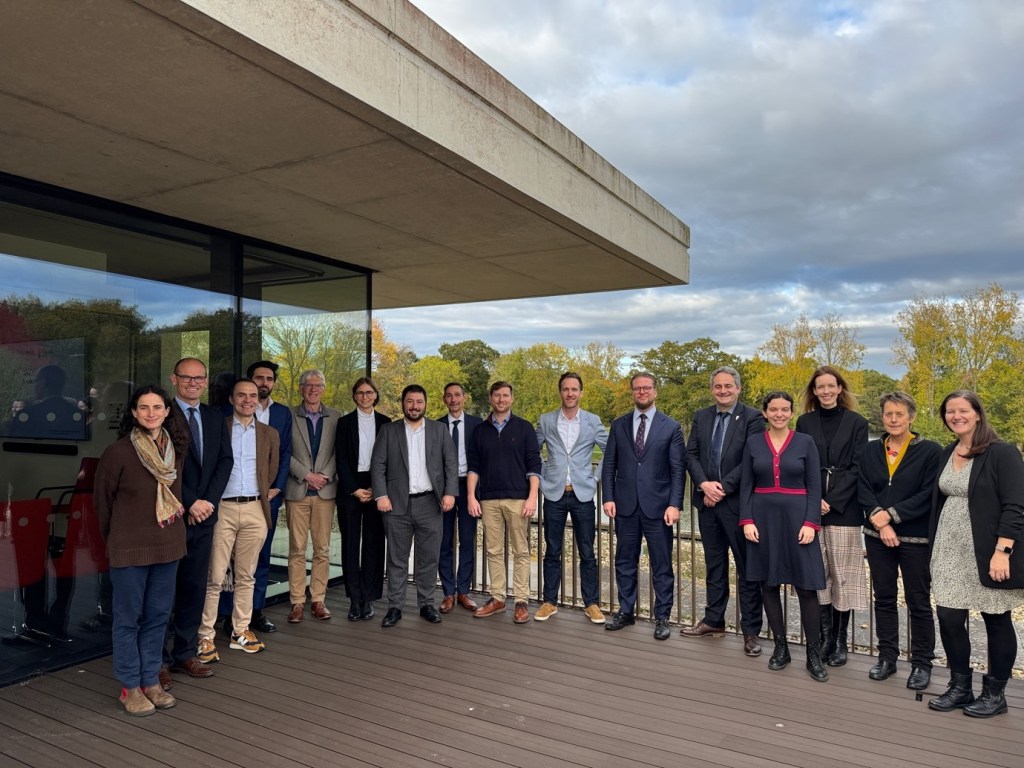
Participants from at the UNHCR-Essex Roundtable on travel documents for refugees, asylum seekers and stateless persons, October 2024 , Credit: Professor Geoff Gilbert
On 22 and 23 October, 17 people from a diverse set of organisations and backgrounds came together from all over the world on campus to discuss travel documents for forcibly displaced and stateless persons in need of international protection. On 23 October, over 60 people attended two online roundtables covering Africa, Europe, the Americas and Asia to consider a toolkit advisory on refugees and asylum seekers affected by climate-induced events or disasters. Professor Geoff Gilbert from Essex Law School hosted both events.
First for the roundtable on climate-Induced displacement, Essex Law School & Human Rights Centre for a year has been working with the Kaldor Centre for International Refugee Law, UNSW, and the Center for Gender & Refugee Studies (CGRS), University of California College of the Laws, San Francisco, to draft a toolkit for practitioners, decision- and policy-makers on international protection in the context of climate induced events and disasters; it became part of a joint pledge to the 2023 Global Refugee Forum.
Being forced to move across an international border as a consequence of a climate-induced or other disaster does not in and of itself qualify one as a refugee under the 1951 Convention relating to the Status of Refugees. However, as UNHCR made clear in 2020 in its Legal considerations regarding claims for international protection made in the context of the adverse effects of climate change and disasters, a person displaced in the context of climate induced or other disaster may also qualify under the 1951 Convention if they meet the criteria set out in Article 1A.2. Drought can often lead to conflicts between farmers and herders over access to water or a government may adversely discriminate against a minority ethnic group on its territory post-disaster. Equally, those who are already refugees or asylum seekers may be affected by disasters, too.
In 2023, CGRS had produced a practice advisory for US lawyers bringing refugee status determination claims in US courts that prompted ELS-HRC and Kaldor to consult on a global equivalent dealing with international and regional refugee and human rights law. On 23 October that Practical Toolkit on ‘International Protection Principles for People Displaced Across Borders in the Context of Climate Change and Disasters’ was considered by over 60 expert academics (including Professor Karen Hulme), lawyers, judges, UNHCR staff and persons with lived experience of forced displacement from across the world. Those discussions will allow the authors, Professor Jane McAdam, Professor Kate Jastram, Dr Felipe Navarro, Dr Tamara Wood, and Professor Geoff Gilbert, to finalize this draft and disseminate it through UNHCR’s REFWorld and other specialist platforms in the next few weeks.
Turning to the other Roundtable held on campus at the University of Essex Law School, the organisations involved included UNHCR, the International Civil Aviation Organization (ICAO), the International Organization for Migration, the EU Commission, and Frontex, as well as private sector actors, think tanks and persons with lived experience of forced displacement. The meeting also benefited greatly from the attendance of four Essex colleagues, Professor Ahmed Shaheed, former Special Rapporteur on the Human Rights Situation in Iran and on Freedom of Religion and Belief, Professor Paul Hunt, former member of the Committee on Economic, Social and Cultural Rights and Special Rapporteur on the Right to the Highest Attainable Standard of Health, Dr Matthew Gillett, Chair of the Working Group on Arbitrary Detention and a member of the Platform of Independent Experts on Refugee Rights (PIERR), and Dr Judith Bueno de Mesquita, adviser to the World Health Organisation. This roundtable discussed travel documents for persons in need of international protection, that is refugees, asylum seekers, internally displaced persons and stateless persons.
At the end of 2023, there were 117.3m people within UNHCR’s mandate, 75% in low- or middle-income countries, and there were only 158,500 resettlement places across the world. Some would have managed to bring travel documents with them as they fled, but many are without. As such, they are trapped in the country where they are receiving protection. Even if they are in a state party to the 1951 Convention relating to the Status of Refugees or the 1954 Convention relating to the Status of Stateless Persons, then while Article 28 of both Conventions provide that the country of asylum shall provide a Convention Travel Document, it is only to refugees or stateless persons who are lawfully staying in the territory, a term that is undefined.
As such, refugees and stateless persons not meeting the threshold, such as asylum seekers and those who have applied for refugee status but where the state has yet to make a decision granting leave to remain, for example, and any person in need of international protection in a non-Contracting state, has no opportunity to obtain a travel document; even Article 28 Convention Travel Documents might only last one to two years and they are difficult to renew outside the country of asylum. Thus, a more generic travel document more widely available to forcibly displaced and stateless persons would facilitate them achieving autonomy in finding a durable and sustainable solution. In part, this fits with the additional solution provided for through Complementary Pathways in paragraphs 85-100 of the Global Compact on Refugees, 2018 (GCR). Traditionally, the durable and sustainable solutions were only resettlement in a third country, local integration in the country of asylum and voluntary repatriation; complementary pathways might involve opportunities to take up employment opportunities or access education in a third country.
The roundtable considered all the technical requirements for travel documents as set out in Annex 9, Facilitation, to the Chicago Convention on Civil Aviation 1944, administered by ICAO. As such, whatever the form of the travel document for persons in need of international protection, given that it will be machine readable, it should be accepted by all carriers. What cannot be guaranteed is that it will be accepted by the country of destination – that is always, even in the case of national passports, a matter of choice by the state having regard to the trustworthiness of the document.
In this regard, though, it was suggested that one proposal to take forward is whether the right to leave and return from one’s country of nationality under Article 12 International Covenant on Civil and Political Rights and the right to legal recognition before the law under Article 16 thereof might generally grant everyone the right to a travel document, or at least in combination with the right to access the highest attainable standard of health (Article 12 International Covenant on Economic, Social and Cultural Rights), the right to access employment opportunities (Article 6 ICESCR) or education opportunities (Article 13 ICESCR), as well as the implicit guarantee of family reunification (Article 17 ICCPR). While that may require strategic litigation and engagement with governments to highlight their commitments under the international covenants and the GCR, it shows that ensuring autonomy for refugees and stateless persons and upholding their international human rights could facilitate the acquisition of travel documents.
The two global roundtables facilitated by Essex Law School marked a significant step towards addressing the complex needs of forcibly displaced and stateless individuals, including those impacted by climate change. Bringing together global scholars, practitioners, and experts from diverse sectors, the discussions highlighted the urgency of accessible travel documents for refugees and comprehensive international protections. These insights will inform final revisions to the toolkit and strengthen advocacy for policies that support autonomy and uphold human rights for those seeking refuge across borders.
Essex Law School made a significant contribution to the ICON•S conference in Madrid in July 2024, with a substantial contingent of faculty and scholars in attendance. ICON•S is an international learned society with a worldwide membership of scholars – at all levels of seniority – working on different areas of public law and cognate disciplines in the humanities and social sciences. The Society was officially launched at its Inaugural Conference in Florence in June 2014, sponsored by the European University Institute and New York University School of Law. Since then, the Society has held annual meetings in New York (2015), Berlin (2016), Copenhagen (2017), Hong Kong (2018), Santiago de Chile (2019), online with ICON•S Mundo (2021), Wrocław (2022), and Wellington (2023). This year’s meeting (8-10 July), hosted by IE University in Madrid, attracted more than 2,000 delegates and was the largest meeting of the Society up to date.
The conference’s plenary programme was organised around the theme of The Future of Public Law: Resilience, Sustainability, and Artificial Intelligence. The theme, as explained in the conference’s Call for Papers, sought to “foster reflection and discussion on the different transformations that public law is going through as a result of the major societal challenges of our time: the quest for sustainability, the AI revolution and, more generally, the need for resilience in a world of exponential change.” Alongside the plenary programme, there were hundreds of parallel panels allowing scholars and the broader community (including practitioners, judges, and policy makers) to present their work and/or take part in thematically organised panels on legal pluralism, global warning, freedom of speech electoral law, democratic theory, human rights, judicial review, and many other areas.
The Essex Constitutional and Administrative Justice Initiative (CAJI) was in an excellent position to showcase the diversity of its interests and strengths both in terms of academic research and partnerships/collaboration across the world. CAJI Co-Director and Public Law Academic Lead, Professor Theodore Konstadinides noted how excellent the conference was to foster new collaborations and rejuvenate older relationships. For instance, he met with Professor Vanessa McDonnell (Associate Professor and Co-Director, uOttawa Public Law Centre) to discuss among else our respective partnership with Ottawa in public law and our newly-launched Canadian Constitutional Law module. He also reconnected with Giuseppe Martinico (Santa Anna in Pisa) in Madrid. Theodore also mentioned how the very stimulating environment of ICON•S kindled interests among our representatives to be more actively involved in the British Chapter of ICON•S in the future.
We have contributed to a number of different themes and panels this year, some specific to sustainability (Etienne Durand), some specific to digitalisation (Dr Giulia Gentile) and some more general (Professor Theodore Konstadinides, Dr Esin Küçuk, Dr Tom Flynn, Professor Yseult Marique). In a nutshell, here some of the main highlights of the conference for our team.
***
Professor Theodore Konstadinides chaired and participated in a panel entitled ‘Assessing the sub-constitutional space of the UK constituent nations in the post-Brexit constitution’. This panel discussed how within the EU multi-level order, governmental and legislative powers can be largely apportioned vertically at three tiers moving from regional to supranational: (i) substate-regional (e.g., Catalonia, Flanders, and Lombardy); (ii) (Member) State-national (e.g., Spain, Belgium, and Italy); and (iii) supranational, i.e., the European Union itself. The UK’s withdrawal from the EU apart from marking the first time that a Member State decided to put an abrupt end to the federalist ’sonderweg’ of ‘an ever closer union’, it meant that a number of powers that were exercised at the supranational level were ‘repatriated’. Four years after Brexit, this panel analysed the effect of such ‘repatriation’ on the sub-constitutional space of the UK constituent nations. It assessed whether this has happened at the expense of the devolved nations.
To do so, the three papers looked at the following areas of the UK’s post-Brexit territorial constitution: (i) foreign affairs (Professor Konstadinides, Essex and Professor Nikos Skoutaris, UEA); ii) the internal market (Ms Eleftheria Asimakopoulou, QMUL); and iii) digital governance (Dr Giulia Gentile, Essex). The picture that emerged from the papers highlighted the extent to which the UK constitutional order has proved its resilience – one of the themes of the 10th Annual conference.
***
For her third participation to an ICON•S conference (after Copenhagen in 2017 and online at the ICON Mundo during the pandemic), Professor Yseult Marique was invited to take part in a panel, part of a twin session on judicial deference following the reversal of Chevron by the US Supreme Court in Loper a few weeks earlier. This twin session was organised by Professor Oren Tamir (Arizona) and Professor Mariolina Eliantionio (Maastricht). This session was devoted to a comparison from European jurisdiction. Professor Marique’s co-presenters were colleagues drawn from past or present members of REALaw : Professor Luca de Lucia, Professor Luis Arroyo Jimenez, Professor Ferdinand Wollenschläger and Dr Pavlina Hubkova. The panel discussed whether their respective jurisdictions (Italy, Spain, Germany, Czech Republic and Belgium) have a similar concept or functional equivalent to deference.
The other session proceeded in a similar manner for Common law jurisdictions (USA – Professor Susan Rose Ackerman; South Africa – Professor Cora Hoexter; New Zealand – Professor Dean Knight; and Canada – represented by a long-standing collaborator of CAJI, Professor Matthew Lewans). A series of blog pieces on this topic is likely to be published on REALaw blog in the upcoming year.
***
Also very familiar with ICON•S, having presented in Wrocław in 2022 and in Wellington in 2023, Dr Tom Flynn was invited to take part in two sessions. One was a roundtable discussion of Radical Constitutional Pluralismin Europe (Routledge 2023) by Orlando Scarcello (KU Leuven). Dr Flynn had previously taken part in the book’s launch event on Zoom, and it was great to meet with Dr Scarcello and others in person to continue their discussion of the book. Dr Flynn’s presentation was entitled ‘Two Cheers for Substantive Pluralism’, and was a partial defence of the kind of substantive constitutional pluralism that Scarcello’s approach, with its specifically radical focus, discounts.
The other was a panel organised by Professor Mikel Díez Sarasola (Universidad del País Vasco/Euskal Herriko Unibertsitatea) on ‘Plurinational States and their Constitutional Shape’. Dr Ewan Smith (UCL) and Dr Flynn presented together on ‘The idea of parity of esteem as a constitutional principle in Northern Ireland and beyond’, which will be the focus of a BA-funded conference they are organising in Belfast in April 2025 with colleagues Prof Katy Hayward and Anurag Deb (both QUB).
After the panel, Professor Díez Sarasola was kind enough to organise a tour of the Congreso de los Diputades in Madrid, during which Tom was able to see the main chamber and the sala constitucional, among other parts of this magnificent building.
***
Also a former participant of the ICON Mundo conference, Dr Giulia Gentilewas involved in three panels as a speaker. The panels concerned (a) AI and good administration, with a presentation covering AI and actions for damages; (b) the future of EU rights in the Brexit era, with a presentation discussing data protection in the UK post-Brexit landscape; (c) AI and courts, with a paper unpacking the interplay between judicial independence and the EU AI Act.
The panel on AI and actions for damages was a spin-off of a collaboration with Melanie Fink and Simona Demkova (both Leiden University) on AI and good administration. Her findings were published on DigiCon. The panel on EU rights after Brexit stems from collaboration and discussions with Essex colleague Theodore Konstadinides, with whom she is applying for a research funding bid on EU Citizens rights after Brexit. The final panel organised by Monika Zalnieriute offered Giulia the chance to discuss her forthcoming chapter on the AI Act and Judicial Independence to appear in the Cambridge Handbook on AI and Courts, edited by Dr Zalnieriute.
***
Dr Esin Küçük was involved in two panels, presenting papers. The first presentation, titled “Resilience of the EU Constitutional Order in Times of Crises”, was part of a panel on EU solidarity during crises. The debate centred on how recent measures to manage crises have reshaped our understanding of solidarity within the EU framework. This paper is now under review for publication.
The second paper Dr Küçük presented, “EU’s Externalised Smart Borders: Türkiye as a Case Study”, explores the externalisation of EU borders in migration management and the implications of emerging technologies in the process from a human rights perspective. This paper, co-authored with Elif Kuşkonmaz, is currently under development, and we aim to evolve this initial research into a broader project.
***
For his first participation to an ICON.S Conference, Dr Etienne Durand chaired the panel entitled ‘The Future of Energy Law: a Consumer-centric Legal Framework’, which featured Marie Beudels, (PhD Student in Law, University of Brussels, Belgium) and Dr Luka Martin Tomaszic (Assistant professeur, Alma Matar European University, Slovenia) as speakers.
The general aim of the discussions was to observe the changing nature of the role of energy consumers in their interaction with EU Law. The discussion was based on current developments in law and technology that enable energy consumers not only to benefit from the energy transition, but also to participate in bringing it about, thus playing an active role in (re)shaping the EU energy law itself. Taking these developments into consideration, the panel sought to identify the transformative power that energy consumers have or could have in shaping the future of European energy law, a hypothesis which we now aim to integrate into a broader research project.
Dr Etienne Durand on the right at the ICON conference. Credit: Dr Etienne Durand.
***
Professor Joel Colón-Ríos first participated a panel titled “Navigating the Paradox: The Doctrine of Unconstitutional Constitutional Amendments”, where he commented on a paper by Sergio Verdugo (IE Madrid). His paper on the concept of a permanent constituent power was also presented in that panel by his co-author, Mariana Velasco Rivera (Maynooth). Later that day, Professor Colon-Rios chaired a roundtable titled “Deliberative Constitutionalism under Debate”, which featured papers by Cristina Lafont (Northwestern), Chiara Valentini (Bologna), Ana Cannilla (Glasgow), Roberto Gargarella (Pompeu Fabra, Torcuato di Tella), Yanina Welp (Albert Hirshman Democracy Centre), and Ignacio Guiffré (Pompeu Fabra).
On Tuesday, Professor Colon-Rios participated in a panel on “Constitutional Identity in Times of Illiberalism”, where some of the papers that will appear in an International Journal of Constitutional Law symposium where presented, including his piece (“Constitutional Identity, Democracy, and Illiberal Change”), co-authored with Svenja Behrendt (Max Planck, Freiburg). Finally, he was one of the speakers in the book roundtable of Guido Smorto’s and Sabrina Ragone’s Comparative Law: A Very Short Introduction. This was Professor Colon-Rios’ fifth ICON’s conference, also having co-organised last year’s annual meeting in Wellington.
***
Overall, the ICON•S provided a fascinating opportunity to learn from the Presidents and former President of the Human Rights Courts in Europe, Africa and South America; to meet up with old acquaintances and to catch up with the representatives of international publishing houses, always ready to provide feedback and chat about current and possible publishing projects. We were much bemused by how much Italians love Spain and very pleased to hear how lively the regional chapters were actively planning together for further activities (such as for instance the Benelux ICON•S Chapter.) The Essex Law team greatly enjoyed the event, and the team’s diverse work in public law contributes to excellent academic exchanges that we bring back to our undergraduate and postgraduate community as we are developing further our education curriculum and expanding our postgraduate research community in public law. We look forward to building stronger academic ties and impact at both in the UK and globally.
In our digitally interconnected world, the allure of Hollywood and music sensations captivates millions, drawing admirers into the intimate orbit of their idols. Falling under the spell of a celebrity crush is a common aspect of adolescent development, but today’s heightened accessibility can foster a dangerous sense of entitlement among fans.
The recent conviction of Harry Styles’ stalker, who inundated him with 8,000 cards in under a month, vividly illustrates the alarming consequences of overstepping boundaries in the perceived intimacy between fans and celebrities. Notably, journalist Emily Maitlis, The Crown actress Claire Foy, and TV presenter Jeremy Vine have all experienced similar stalking incidents.
A range of audience engagement
We connect to media figures in different ways, from deeply empathising with a cherished character’s experiences to feeling a sense of closeness with TV hosts who become a familiar presence in our lives. For example, a beloved TV character’s joys and sorrows might deeply resonate with audiences, leading to shared emotional experiences.
Sometimes we immerse ourselves in a character’s narrative to the extent that their joys and sorrows become intimately felt experiences (e.g., a deep sense of sadness when a beloved TV character undergoes a loss), regardless of their disparate backgrounds or life journeys.
Repeated exposure and personal disclosures from media personalities can create a sense of closeness in viewers, despite the lack of direct interaction, as when a TV host becomes a familiar presence in our daily lives. These connections, known as parasocial relationships, thrive on perceived intimacy but lack reciprocity.
Fandom, marked by intense admiration, elevates parasocial relationships to pedestals and becomes deeply ingrained in one’s identity. This devotion can extend beyond individual characters to entire shows or franchises, manifesting in activities like collecting merchandise and engaging with online fan communities.
Our ties to fictional characters, the actors embodying them, and influential media figures vary but collectively form a spectrum of audience involvement. This intricate web of seemingly harmless bonds can morph into toxic obsessions, as seen in the case of Emily Maitlis’ stalker, whose “unrequited love” for the former news anchor led to repeated breaches of a restraining order.
However, it is not merely a gradual escalation of these connections; rather, individuals (possibly battling mental health challenges) may harbour various motivations ranging from vengeance, retribution, and loneliness to resentment, a yearning for reconciliation, or a quest for control. They may hold delusions, such as “erotomania,” believing someone loves them and will eventually reciprocate. Their behaviour might stem from an obsessive fixation on a specific cause or issue.
In the complex realm of fandom culture, the law starts by recognising that beneath the celebrity veneer of flawless posts and red-carpet appearances lies a real person with vulnerabilities. Like everyone, they too deserve a zone of privacy which comprises different layers of protection.
The sanctum core
Picture your life as a mansion, with each room symbolising different facets: thoughts, emotions and personal endeavours. Encircling this mansion is a protective perimeter of a privacy zone, shielding specific aspects of your life from unwanted intrusion, be it by strangers, acquaintances, or the government. Maintaining the integrity of these restricted areas is left to a mixed legal environment encompassing civil remedies and criminal offences, including racially or religiously aggravated variants.
Secretly monitoring someone’s activities or lingering around their home without valid cause gravely endangers this zone. Claire Foy’s stalker, who had become “infatuated” with the actress, received a stalking protection order after appearing uninvited at her doorstep, leaving her “scared” of her doorbell ringing and feeling “helpless” in her own home. Sending unsolicited “gifts” is also associated with stalking, as demonstrated by Styles’ relentless pursuer who sent countless unsettling letters and hand-delivered two to the singer’s address, causing “serious alarm or distress”.
An intimate ecosystem
Importantly, the mansion’s private enclave embodies more than an inner sanctuary where people can live autonomously while shutting out the external world. Our private sphere also safeguards our personal growth and ability to nurture relationships, constituting a “private social life.”
When stalking rises to the level of inducing fear of violence or has a “substantial adverse effect” on someone’s regular activities, e.g., forcing a celebrity to make significant changes to their lifestyle, the law steps in to protect victims, including innocent bystanders who might experience direct intrusion themselves.
For example, Emily Maitlis’ stalker showed “breath-taking persistence” in contacting his victim and her mother, while Foy’s stalker had emailed the actress’ sister and texted her ex-boyfriend. Such conduct warrants legal intervention because it can severely impair someone’s ability to freely establish normal social networks and ultimately increases isolation, amplifying the disruptive impact on their support systems.
Advancements in communications technology have driven the surge in “cyberstalking”. For example, presenter Jeremy Vine’s stalker “weaponised the internet”, sending relentless emails identifying his home address and instilling fear for his family’s safety. Such digital variations of traditional stalking might also be pursued through communications offences, including the newly enacted “threatening communications” offence.
FOUR indicators
Behaviours may vary but they frequently exhibit a consistent pattern of Fixated, Obsessive, Unwanted and Repeated (FOUR) actions, violating not only a person’s inner circle privacy zone but also the outer sphere of their private social life.
While rooted in natural admiration for talent and charisma, celebrity worship can blur the line between harmless adoration and harmful obsession, particularly in an age dominated by social media that gives unprecedented access to our favourite stars. Legal boundaries delineate genuine appreciation from repetitive, oppressive conduct that jeopardises someone else’s well-being.
During the 30-year Northern Ireland conflict, which ended with the 1998 Belfast/Good Friday Agreement, human rights violations were committed by a range of parties, including UK state forces. It has long been suspected that impunity protected this latter category of conflict actors, and that lack of accountability for serious harms, such as torture and killings, demonstrated the state’s disregard for its international human rights obligations and relevant domestic standards.
For the first time, an independent expert body has established that state impunity in the Northern Ireland conflict was indeed widespread, as well as being systemic and systematic.
London launch event for ‘Bitter Legacy: State Impunity in the Northern Ireland Conflict’, May 1st 2024.
Independent examination
Convened by the Norwegian Center for Human Rights, the Independent Panel on State Impunity and the Northern Ireland Conflict was established at the request of two Northern Ireland human rights organisations, the Committee for the Administration of Justice and the Pat Finucane Centre. Against the backdrop of the absence of effective official mechanisms for accountability and truth in relation to the Northern Ireland conflict, the Panel was made up of set out to provide an authoritative record of the extent to which there is evidence of patterns of impunity by the UK Government in relation to human rights violations. The panel was made up of independent international experts, including Essex Law School’s Dr Aoife Duffy. Last month, the report published its finding as a report titled Bitter Legacy: State Impunity in the Northern Ireland Conflict.
Impunity
Impunity is the de facto or de jure impossibility of holding perpetrators accountable for their actions. This means that those responsible for human rights violations are not subject to any inquiries that could lead to their prosecution and sentencing, nor are they compelled to make reparations to their victims.
Combatting impunity is a well-established obligation under human rights law. States are required to ensure truth, justice, reparations, and non-recurrence of abuses.
Good Friday Agreement and its shortcomings
The 1998 Good Friday Agreement, while a monumental step towards peace, did not establish a comprehensive transitional justice mechanism to address past human rights violations. Over the years, the UK has faced criticism for failing to fulfil its obligations under Article 2 of the European Convention on Human Rights, which mandates effective investigations into killings. The criticism extends to other areas where the UK has failed to meet its obligations towards victims.
Persistent impunity and limited progress
Since the Good Friday Agreement, there has been a notable “impunity gap” in Northern Ireland, as highlighted by the UN Special Rapporteur on the promotion of truth, justice, reparation, and guarantees of non-recurrence. Despite isolated efforts through ad-hoc inquiries, inquests, civil actions, and the efforts of civil society groups, much about the human rights abuses during the conflict remains unknown or unacknowledged. This piecemeal approach has led to limited progress towards overall accountability and truth.
Legacy Act
The recently enacted Northern Ireland Troubles (Legacy and Reconciliation) Act 2023 has been widely criticised. Many believe it is designed to limit efforts to achieve truth and justice. The Act has faced opposition from numerous quarters, including international bodies like the Council of Europe and the UN Special Rapporteur, while securing rare consensus among Northern Ireland’s political parties. The Irish Government, political parties in the Republic of Ireland, and opposition parties at Westminster have also voiced strong opposition.
Findings of the Report
Over 200 pages, the report sheds light on the deep-seated issue of state impunity in Northern Ireland and the urgent need for effective mechanisms to address past human rights violations. The Panel based its research on a wide variety of sources, conducting seven site visits to Northern Ireland to gather primary evidence. Panel members met with victims, survivors, family members, legal representatives, NGOs working on relevant issues, and other experts. In addition, the Panel met with representatives of both the British and Irish governments, and several high level individuals involved in legacy work. The Panel also had access to declassified state papers, legal judgments, Police Ombudsman reports, coroner’s inquests, Historical Enquiries Team, and public inquiry reports.
The three areas where security force actions were scrutinised were: direct state killings, torture and ill-treatment, and deaths involving collusion. The Panel concluded that the UK government failed to fulfil its international human rights duties as it “did not conduct fair and effective investigations” and “failed the relatives’ rights to truth, justice and reparation”.
As political debates and litigation surrounding the 2023 Legacy Act continue, the quest for truth and justice remains a critical and unresolved issue for many victims and their families. The hope is that through persistent advocacy and international pressure, meaningful progress can be achieved in combating impunity and ensuring a just and comprehensive resolution to the legacy of the Northern Ireland conflict. Ultimately, the Panel recommended that the UK government repeal the 2023 Legacy Act in its entirety and establish human rights compliant mechanisms that build on earlier commitments negotiated with the Irish government and the major political parties of Northern Ireland in the 2014 Stormont House Agreement.
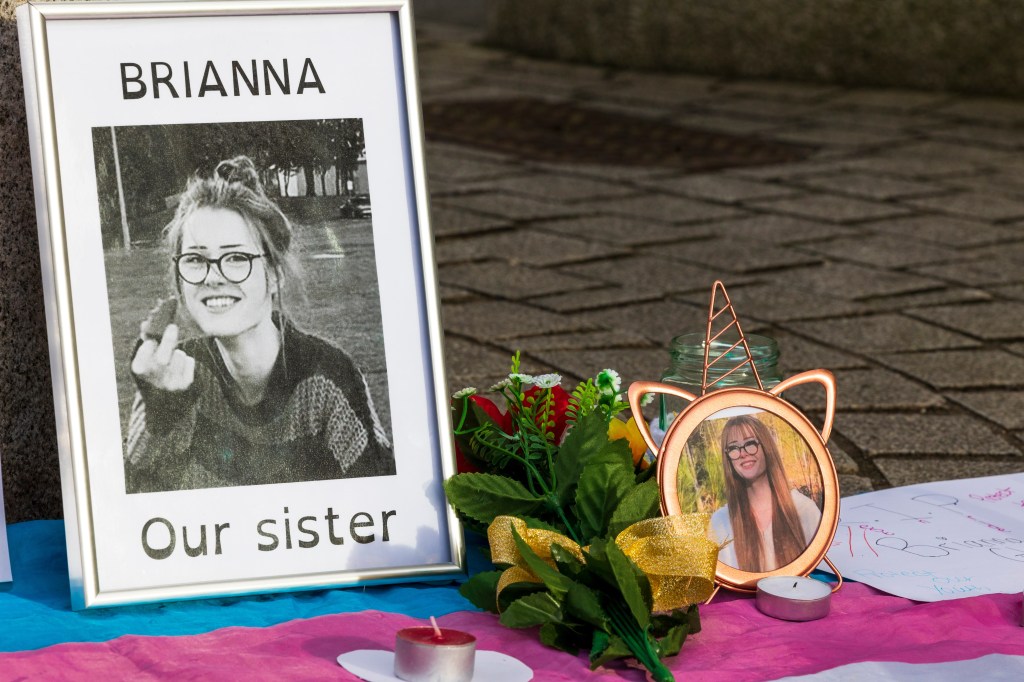
The death of 16-year-old Brianna Ghey at Culcheth Linear Park in February 2023 sent shockwaves across the United Kingdom. On 20 December 2023, Scarlett Jenkinson and Eddie Ratcliffe were found guilty of Brianna’s murder, subsequently receiving life imprisonment sentences on 2 February 2024.
From the brutality of the crime to the debate over whether the perpetrators’ names should have been published and the speculation about the potential influence of violent media on their actions as to whether their acts had been influenced by violent media, this case is reminiscent of James Bulger’s murder over three decades ago. A notable difference, however, is that the victim in this case was a transgender girl.
Brianna’s murder against the backdrop of the trans rights debate
Official figures reveal a concerning surge in police-recorded transphobic hate crimes in England and Wales in recent years (11% up from the year before in 2022/23 and a staggering 186% rise over the last five years). The latest Home Office report acknowledges that comments made by politicians and incendiary media discussions on trans issues might have contributed to this trend. In the current socio-political climate, where the polarisation between trans and women’s rights groups over gender self-identification can reach ‘toxic’ levels, there is a serious risk that victims like Brianna Ghey will – as the domestic abuse commissioner Nicole Jacobs warned – be ‘denied their dignity’.
Recognising the role transphobia has played in this violent crime is vital to tackling that risk. Yet, The Times were quick to ‘deadname’ Brianna, i.e. report the news of her murder using the victim’s pre-transition (male) name, triggering a strong backlash by trans advocates. Similarly, BBC News and Sky News also faced criticisms for initially failing to mention the victim was trans. Meanwhile, Fair Play for Women, a gender-critical campaign group which views sex as immutable, argued that the victim’s transgender identity was not relevant to stories about her murder and should have been omitted from them. Notably, Cheshire police did not consider the murder to have been motivated by hatred against Brianna’s transgender identity. DCS Mike Evans explained that Jenkinson and Ratcliffe had previously discussed killing other children, suggesting that, had they not been able to kill Brianna, they would have found another victim.
Why did Brianna’s murderers not remain anonymous?
Due to the defendants’ age, restrictions were in place throughout the trial to prevent the publication of any information likely to reveal the identities of the two perpetrators as the defendants in these proceedings. However, some controversy arose when the decision was made to publicly name the two teenagers at their sentencing. Mrs Justice Yip took the unusual step to revoke anonymity orders shielding the assailants’ identities, following an application by press representatives.
As there has been some misunderstanding around this issue, it is worth explaining how the anonymity orders worked in Brianna’s case. It will be recalled that the two perpetrators were tried before the Manchester Crown court, which is an adult criminal court – not a youth court (of note, a young person charged with murder cannot be tried or sentenced by a youth court because of the seriousness of the charge). While there is no automatic ban on identifying individuals under 18 as being concerned in the proceedings of adult criminal courts, section 45 of the Youth Justice and Criminal Evidence Act 1999 empowers criminal courts to grant anonymity to a juvenile defendant, victim or witness in adult criminal proceedings while they remain under the age of 18. This power is not available to youth courts. The intention of Parliament in enacting this provision was to widen the scope of protection available to under-18s.
Section 45 allows an adult criminal court to impose a discretionary reporting restriction. If the court so wishes, it can choose to impose no restrictions at all. The law draws, therefore, a distinction between young people appearing in youth courts, who are automatically entitled to anonymity, and those appearing in adult criminal courts, who must seek a discretionary reporting restriction.
This is critical. It means that in a youth court, there must be a good reason for lifting the anonymity order which applies by default, whereas under section 45 of the 1999 Act, there must be a good reason for imposing – or continuing with the imposition of – the anonymity order. So, in the case of section 45, there is a strong presumption in favour of open justice, placing the burden of justifying reporting restrictions on the party seeking to derogate from this fundamental principle.
The defendants in Brianna Ghey’s case, both 16 at the time of their conviction, would lose the anonymity protection upon reaching adulthood in 2025 by operation of the law. In the meantime, however, a court may consider lifting or relaxing restrictions in two circumstances: either when the court is satisfied that doing so is ‘necessary in the interests of justice’ (section 45(4)); or when it is satisfied that the reporting restriction unduly limits the coverage of the proceedings and it is ‘in the public interest’ to remove or modify the restriction (section 45(5)). A list of factors to be considered in an assessment of where the public interest lies in such situations is provided in section 52 of the Act.
No judge takes such decisions lightly. As the Court of Appeal has previously emphasised, judges are tasked with meticulously weighing the competing public interest factors at play on the particular circumstances before them. So, neither the open justice principle nor a young person’s best interests automatically dictate the conclusion in a given case. Pre-conviction and during the trial, a defendant’s welfare is likely to take precedence over the public interest in disclosure. However, post-conviction and sentencing, factors such as the offenders’ age and the severity of the crime acquire particular relevance in determining whether publication is warranted.
As Mrs Justice Yip observed in Brianna’s case, ‘the shock generated by [her] murder and the circumstances of it has spread well beyond the local community, across the nation and indeed internationally. The public will naturally wish to know the identities of the young people responsible as they seek to understand how children could do something so dreadful. Continuing restrictions inhibits full and informed debate and restricts the full reporting’ of an ‘exceptional’ case.
But the lifting of the discretionary reporting restrictions under section 45 was driven not only by the sustained public interest in knowing the identity of Brianna’s murderers, but also because of the likelihood of continued media attention regardless of the timing of disclosure as well as the defendants’ extended custody and rehabilitation process into adulthood. While acknowledging the distress to the defendants’ families, Mrs Justice Yip underlined that the powers under section 45 were not designed for convicted defendants’ family members, and the risk of harassment to the defendants’ families was deemed likely regardless of the timing of identification. It was the combination of all these considerations that favoured publication.
Sentencing in Brianna’s murder as a catalyst for confronting transphobia
Brianna’s murderers were named the day they were sentenced for her murder. Even though Cheshire police had dismissed transphobia as a motivating factor, Mrs Justice Yip expressly recognised in her sentencing remarks that the crime had been, at least partly, driven by hostility towards Brianna’s trans identity. Distinguishing between the young offenders’ motivations, the judge determined that Jenkinson was primarily seeking to act out her ‘sadistic’ fantasies and had a ‘deep desire to kill’ while Ratcliffe was, in part, driven by transphobic sentiments. This hostility towards trans people had, according to the judge, been ‘undoubtedly displayed’ in the dehumanising language Ratcliffe used in the WhatsApp messages he had sent to Jenkinson, in which he described Brianna as a ‘femboy thing’ or ‘it’, revealing that he wanted to ‘see if it will scream like a man or a girl’.
Such messages make for a harrowing read and it is easy or even convenient for our society to brush off the transphobia reflected in them as merely the hateful words of one ‘bad apple’. The truth is, however, that Brianna Ghey’s murder has shed light on a harsh reality: abuse often becomes a distressing aspect of vulnerable trans individuals’ lives, even if this does not always escalate to extreme violence. The Conservative Government’s and the UK mainstream media’s trans-othering rhetoric has been repeatedly criticised by several international human rights organisations. Indicatively, the Council of Europe’s Commissioner for Human Rights, Dunja Mijatović, warned of the risks deriving from an ‘increasingly toxic’ anti-trans political and media discourse built upon ‘deeply discriminatory stereotypes […] based on ideas of predatory determinism.’ This ‘culture war’ against trans people has also been cited by the International Lesbian, Gay, Bisexual, Trans and Intersex Association as one of the reasons behind the UK’s continuous drop in its annual rankings for LGBT rights across Europe.
During PM Questions on 7 February 2024, Rishi Sunak faced a backlash after his remark about Labour leader Keir Starmer’s purported difficulty in ‘defining a woman’ while Brianna’s mother was in the public gallery during the exchange. Trans allies, including Brianna’s father Peter Spooner, expressed ‘shock’ and ‘disgust’ towards the PM’s ‘degrading comments’, calling for an apology which Sunak has refused to offer. Amid the increasing tensions between the two main political parties, it is vital that trans people’s lives are not reduced to a bargaining chip in their bid to win the upcoming general election. Despite the tragic circumstances surrounding Brianna’s murder, her story has the potential to catalyse a wider and more constructive dialogue on the consequences of ‘othering’ an already marginalised community. There are undoubtedly valuable lessons to be gleaned from this landmark case. The pertinent question remains: are our leaders prepared to heed them?
This is a post originally published by the Essex Human Rights Centre Blog on February 12th, 2024.
Mexico Country Visit of the Working Group in September 2023
Spotlight regularly features a significant individual or team from the Human Rights Community to answer questions put by students and colleagues from the University of Essex. This time we feature Dr. Matthew Gillett.
Dr. Gillett was appointed as a United Nations Special Mandate Holder in 2022. Specifically, he is the Expert Member from the Western Europe and Others Group in the Human Rights Council’s Working Group on Arbitrary Detention. In 2023, he was elected Vice-Chair for Communications of the Working Group. In this role, he cooperates with other Special Mandate Holders (typically the Special Rapporteurs on Torture, on Extra-judicial Killings, and on Counterterrorism, plus the Working Groups on Forced Disappearance and on the Elimination of Discrimination against Women and Girls); to issue communications to Governments and other entities (such as corporations) regarding potential human rights violations. As a member of the Working Group on Arbitrary Detention, he deliberates around 80-90 judgments (called opinions) a year and also conducts country visits to scrutinize detention practices around the World.
Previously, Dr. Gillett has around 15 years of experience working in international organisations in The Hague (particularly as a prosecution attorney at the International Criminal Court (“ICC”) and the International Criminal Tribunal for the former Yugoslavia (“ICTY”)). He has conducted investigations in various conflict zones, including for six months as a Human Rights Officer with the United Nations Assistance Mission in Afghanistan (“UNAMA”).
Academically, his work encompasses: International Criminal Law; Human Rights; Terrorism and Counterterrorism; Procedure and Evidence; Open-Source investigations; the Environment; International Humanitarian Law; Mediation (as a qualified mediator); Speech Crimes; and Aggression. His publications have been cited before international and hybrid courts, including in filings and Decisions of the Colombia Special Jurisdiction for Peace (“Pre-Report on Charging Environmental Damage before the Jurisdicción Especial para la Paz”); the International Criminal Court (e.g. “Collective dislocation; crimes of displacement, property depravation and discrimination under international criminal law”, Routledge; “The Call of Justice: Obligations under the Genocide Convention to Cooperate with the International Criminal Court”, CLF) and the Special Tribunal for Lebanon (e.g. “Fast-Track Justice”, JICJ; “The Special Tribunal for Lebanon Swiftly Adopts Its Rules of Procedure and Evidence”, JICJ).
Students’ and colleagues’ questions answered
We are honoured that Dr. Gillett agreed to answer questions put by the human rights students and community at Essex.
Q: What initially drew you towards human rights?
A: Working at the High Court of New Zealand exposed me to various human rights cases, from freedom of expression claims to complaints of ill-treatment in detention. Learning about the substance of human rights, and the effect of international conventions on the application of domestic law was fascinating.
Q: How do you believe the efforts of the Working Group on Arbitrary Detentioncan help address criticisms of the UN’s human rights work?
A: The Working Group on Arbitrary Detention strives for fair conclusions and innovative ways to enhance human rights compliance. One of the important ways we can reduce criticism is through robust fact-finding. We have five expert members, with a range of experiences and backgrounds. Our individual cases are subjected to rigorous review, while also ensuring that we address a high volume each year. We also travel to countries to assess their detention systems and meet with detainees, officials, and NGO representatives, all of which helps us to reach well-grounded findings.
Q: What advice would you offer aspiring human rights workers?
A: Gain field experience early, explore alternative avenues for redress, and follow up on cases to understand their outcomes comprehensively. In more detail: (i) Get field experience at an early stage – it will open your eyes to the situation on the ground and whether you are well suited to that type of work. (ii) Think about your options in any situation, such as new avenues or fora to redress a human rights violation, and don’t simply accept binary choices that are presented to you. (iii) Follow-up on situations you have been involved in – if you assisted a victim with a human rights claim, then get back in contact periodically afterwards to find out how it panned out.
Q: How can we assess the effectiveness of human rights measures such as issuing communications?
A: Tracking responses and subsequent actions by governments is essential. Effective engagement with international bodies like the UN can amplify pressure for change. An obvious case is if the Government or entity in question explicitly changes their conduct as a result of the communication. However, in many cases that won’t happen, at least not instantly. So the first step is keeping a track of communications and responses, the second is assessing to what extent the response engaged with the issues, and the third is considering follow-up measures such as public statements or bringing pressure through international fora like the United Nations Human Rights Council or General Assembly.
Q: Considering the allegations against the US and UK regarding torture in Iraq and Afghanistan, and their reluctance to allow ICC investigation or hold themselves accountable, what message do the actions of powerful states convey regarding accountability for human rights violations?
A: Reluctance to engage with international institutions sends a discouraging message globally, undermining the universality of human rights principles. Just like international human rights law, international criminal law is designed to apply universally. The lack of commitment to institutions like the International Criminal Court by powerful States including Russia, China and the USA sends a dispiriting message to the people of the world – especially given that the crimes listed in the Rome Statute, such as aggression, genocide, crimes against humanity and war crimes are lowest common denominators, which all States should agree to prohibit.
Q: What are your concerns regarding the existing framework of the working group, and how can it be improved?
A: Balancing increasing caseloads with broader advocacy efforts poses challenges. For the future, it would be ideal to have increased resources for the OHCHR team which supports the expert members of the Working Group.
Q: In your role as Vice-Chair for Communications of the Working Group, what strategies do you employ to foster collaboration among Special Mandate Holders and issue effective communications to address potential human rights violations?
A: Collaborating with other Special Mandate Holders is a highlight of the work, but of course can present its own challenges in terms of coordination. Typically, a strategy is to have a lead mandate in charge of a particular communication, and then others to review and sign onto it. We have also started having more regular meetings and exchanges on particular hot-spots which raise issues for multiple mandates, so that we are communicating with each other and exchanging information and views in order to enhance our understanding of the situation.
Q: Having worked as a prosecution attorney at the ICC and the ICTY, how do you draw on your experiences in conflict zones to contribute to the Working Group on Arbitrary Detention?
A: As a former prosecutor, I am used to looking through statements, documents and other sources to reach factual conclusions. Having worked in multiple situations of armed conflict, I am aware of security requirements but also know the importance of seeing situations and speaking to people first-hand to establish events. Additionally, there is considerable overlap between arbitrary detention and the crimes I prosecuted, which helps for legal assessments.
Q: Can you share insights from your academic work and its relevance to human rights advocacy?
A: My research has recently focused on fact-finding. This has spurred me to look at the procedures employed at various human rights bodies, and what types of materials they base their findings on. Legally, the context of armed conflict or terrorism type scenarios helps to understand when there may be different considerations to bear in mind when assessing the application of international human rights law.
Q: Given that your work exposes you to stressful and harrowing experiences and stories, how do you cope with these challenges?
A: When I am interviewing a victim or visiting a crime scene, my focus is usually on forensic details and ensuring an accurate record, as well as the safety of everyone involved. However, I realised after many years of working long hours that you have to look out for your own well-being as well. Now I exercise reasonably often and enjoy catching up with friends and colleagues from around the world when the opportunity arises. I also have two young children to keep me on my toes.






 Essex Law Research Blog