The Clinical Legal Education Handbook (edited by Linden Thomas and Nick Johnson; published by University of London Press on behalf of the Institute of Advanced Legal Studies) has launched providing law schools with a go-to-guide for establishing or maintaining their clinical programmes. Two academic members of the University of Essex Law School have contributed to this publication.
Lee Hansen, Deputy Law Clinic Director and Member of the Human Rights Centre, has contributed three chapters.
The first of Lee’s chapters provides guidance for clinics on client care to help such organisations provide to their clients a proper level of service. The chapter sets out key aspects of client care including the use of intake guidelines; client identification; time limit management; conflict screening; and the disclosure of key information to clients about the service and how their matters will be handled.
Client care has always been important but is of particular significance in the context of the current pandemic. Clinics are making changes to their regular service models to enable them to continue to assist the community throughout this unprecedented time. This may inevitably involve some new ways of working (such as the use of video conference technology) but it remains as important as ever to maintain appropriate systems and processes to ensure that clients who are placing their trust in these services, receive the best quality experience.
The second of Lee’s chapters provides guidance on effective signposting and referral. The chapter sets out key principles of effective signposting and referral, provides information about referral systems and set outs the regulatory position under SRA standards and regulations.
University law clinics often close outside of term time as students return home. Such closures also provide academic staff with much needed time to catch up on their scholarship or research which is often impossible to do during term time. In such circumstances where there are gaps in the continuity of a service it is critically important that persons enquiring for help are directed to an appropriate service that is able to assist. Again, in the current pandemic as sources of assistance are narrowed this guidance is of particular significance.
The third of Lee’s chapters provides guidance on the provision of debt advice by university law clinics. This chapter reviews changes to the regulatory landscape that largely prevent university law clinic from providing debt advice and suggests potential workarounds to support some provision in this important area. There will clearly be a significant level of legal need for debt advice in the context of the current pandemic and in its economic aftermath. This chapter therefore suggests some practical options to university law clinics to assist in meeting such need.
In addition to Lee’s chapters, Prof Donald Nicolson was asked to provide “words of wisdom” from those with many years of experience with law clinics and clinical legal education. Drawing on 25 years of experience in running law clinics (and four years as a student in a student-run clinic), Donald offered four items of advice to other clinicians:
the key to a clinic’s success is its people, so take your time selecting students and work colleagues;
never underestimate student – they will always surprise you with their enthusiasm, passion and new ideas;
take risks – don’t let the perfect be the enemy of the good; and finally,
look after yourself – don’t allow your passion for the clinic take over your life to the detriment of friends and family.
Published in May 2020
The Clinical Legal Education Handbook is freely available online in PDF here.
With ongoing concern over the impact of waste on our environment, specifically the threat to marine life from plastic, a new report takes a timely look at our laws and responsibilities relating to litter and the costs to councils of dealing with it.
Litter itself can pose severe dangers to wildlife and deface our community spaces. Consequently, one of the principal questions that we posed was whether there were any gaps in the current anti-littering regime in terms of legal measures to deal with littering, as well as responsibilities for the clearance of litter and other debris. Importantly, we also looked beyond the strict confines of the law to other potential measures to help reduce the incidence of littering.
While welcoming recent government initiatives, such as the 2017 Litter Strategy for England, the new report identifies a range of obstacles to progress on dealing with litter.
Attempts to protect our marine environment from litter are hampered by the lack of clear oversight.
In addition, the way in which litter law has evolved makes it overly-complex; a lack of clarity exists over land ownership and therefore responsibility; councils are exercising their powers in different ways, creating a ‘postcode lottery’ in enforcement; and confusion over responsibilities between different councils and agencies such as Highways England are resulting in action being delayed.
A further contribution to the report, by Professor Shahzad Uddin of Essex Business School, asks if we know the true cost of dealing with litter. His chapter, based on interviews and Freedom of Information requests, paints a picture of significant expenditure by cash-strapped councils, which is still failing to fully address the problem of litter. A survey of eight local authorities across Essex resulted in only one council, Basildon, providing a detailed breakdown of costs.
The authors have called for clarity regarding both the law and the regulation of aquatic litter; an analysis of water-borne litter levels, to inform an updated DEFRA Code of Practice on Litter and Refuse; greater cooperation; and transparency on the costs to councils resulting from litter.
They also suggest councils should provide greater incentives to businesses to take greater responsibility for their own litter and littering around premises, and that the UK learn from initiatives in other countries, such as bottle return schemes.
With the UK government proposing a new national litter campaign, the report also asks if its strategy will make councils and landowners too reliant on volunteers.
Litter Law is a second key contribution to environmental debates in recent weeks from our School of Law. In April, Essex hosted a two-day workshop featuring experts in human rights and climate change, with speakers including two United Nations Special Rapporteurs, past and present, and experts from the World Bank, NASA, our own University and academics based on three continents.
Dr Davey and Professor Hulme were assisted in their research by students from Essex Law Clinic.
This post was first published on the University of Essex website and is reproduced here with permission and thanks.
On 20 April 2020, the UK communications regulator Ofcom ruled that ESTV Ltd had breached its Broadcasting Code by airing an interview on the Coronavirus pandemic which risked causing “significant harm to viewers.”
ESTV Ltd, the licensee, is the owner of the local TV channel London Live, which serves the London area. On 8 April 2020, London Live broadcast an 80-minute interview with the former footballer and sports broadcaster David Icke, who was introduced by the presenter Brian Rose at the start of the programme as “a writer and public speaker known since the 1990s as a professional conspiracy theorist.” At the time of the broadcast, it was estimated that approximately 1.4 million people had been infected globally and the UK Government had introduced its lockdown policy to curb the spread of the virus.
Given the global Coronavirus crisis, the regulator expressed particular concern over the broadcast of Icke’s opinions which “cast doubt on the motives behind the official health advice aimed at reducing the spread of the virus.” The interviewee repeatedly suggested in the programme that the measures taken by the UK Government, other national governments and international health bodies such as the WHO were being implemented to further the malevolent ambitions of a “clandestine cult,” rather than to protect public health. While not expressly mentioning 5G technology, Icke referred, among other things, to an “electromagnetic, technologically generated soup of radiation toxicity” which, he claimed, had compromised the immune system of elderly people. Icke also expressed doubts over the use of vaccines (which are widely accepted by scientific communities as important mechanisms in controlling infectious disease outbreaks and part of a long-term solution to COVID-19), describing them as a “tidal wave of toxic shite” and any decision to make them mandatory as a form of “fascism.”
ESTV Ltd acknowledged that the programme included “controversial” and “unorthodox” material that challenged mainstream thinking, but considered it to be an exploration of Icke’s “extraordinary” views about the origins of the virus and governments’ responses within the limits of Article 10 of the European Convention on Human Rights. The regulator stated that the licensee was not, in principle, prohibited from broadcasting opinions which diverged from, or challenged official authorities on public health information and that Icke had a right to hold and express these views. However, Ofcom queried whether in the current unprecedented circumstances the programme had ensured that members of the public were “adequately protected” from the inclusion of potentially harmful material in compliance with Rule 2.1 of the Broadcasting Code.
The regulator stated that some viewers might well have expected that Icke’s opinions would not necessarily be scientifically or otherwise empirically supported, but they had also been likely to be “particularly vulnerable” during a global public health emergency. The extended nature of the interview, its sensitive subject matter, the severity of the situation and the degree of challenge (or the inclusion of opposing views) were factors that weighed significantly in the decision-making. Ofcom found that for some 80 minutes, ESTV Ltd had provided David Icke with a platform to set out highly controversial and unsubstantiated claims (which the licensee itself considered “may be absurd”) with minimal challenge within the programme. Moreover, the impact of the limited challenge that was present was minimised by the presenter’s final comments to the interviewee: after shaking hands, Brian Rose said that David Icke had “amazing knowledge and amazing perspectives about what’s going on here.” The regulator concluded that the licensee had failed to adequately protect viewers from potential harm and considered the breach of Rule 2.1 to be serious.
Ofcom directed ESTV Ltd to broadcast a summary of its ruling. Its Sanctions Panel will consider the matter further. Ofcom’s decision was delivered within just two weeks, as the regulator prioritises cases linked to Coronavirus whereby programmes may have helped spread misinformation or included material of a misleading nature about the illness and public policy in relation to it.
The original position can be summarised by the Government’s mantra ‘stay home, save lives’ which became ingrained in the minds of the general public. We were permitted to leave the house for one of the following reasons only: daily exercise, medical need, caring for vulnerable individuals, to shop for essential supplies, and to go to work if it was not possible to work from home. All shops, except for those selling essential supplies such as food and medicines, were closed. We were no longer permitted to socialise, face-to-face, with people outside of our households. Social distancing became the new norm with guidance emphasising that people should maintain distances of 2m from individuals outside of our households. The changes led to the need for adjustments with many people working from home and children being educated from home. No one could have anticipated how different our lives would have become in 2020. Nor could we have predicted the restrictions on our civil liberties deemed necessary to protect the individuals most vulnerable to the virus such as the elderly and those with pre-existing health conditions. At first, many people accepted the legitimacy of these measures. Over time, however, many people in support of the Coronavirus Law and the corresponding guidance have become concerned over constraints on their civil liberties.
The restrictions on our daily lives were (and still are) overwhelming and perplexing for many people. While these measures felt short of the tough stance taken in countries such as Russia and Spain, where people were not even allowed to leave their home for daily exercise, we are not used to the state having such control over our day-to-day lives. In the space of just over two months, not only has the legal landscape shifted dramatically but so has the social landscape. Actions once seemed natural, such as hugging and visiting close relatives, were deemed as potentially dangerous and unlawful. In order to hope to continue to enforce lockdown law, the guidance accompanying the law needs to be seen as legitimate since legitimacy fosters public obedience.
At the time of writing, in June 2020, over 36,000 people in England have died from the coronavirus. The daily death toll has decreased gradually which has led to changes in the restrictions which will apply from June 1st and June 15th. From June 1st, schools re-opened (albeit just to reception, year 1 and year 6 pupils) and some workers were able to return to work, including those working at shops selling non-essential goods. We can now go out more than once a day for daily exercise, we will have more choices in which shops to visit and we can meet in groups of up to 6, if these meetings take place outside and there is social distance. Further relaxations are to follow on June 15th. Social distancing seems likely to continue for the foreseeable future although there are talks of reducing this from 2m to 1.5m.
Since my original reflections on the coronavirus law, the social and legal landscape has changed significantly. From both an academic and a personal perspective, it is challenging to remain up to date with the guidance accompanying the Coronavirus Law. This law and the corresponding guidance have been likened, by some, to George Orwell’s works of fiction such as 1984. It is argued that the legitimacy of the government guidance is under threat. At best, the guidance lacks clarity and, at worst, is contestable, ambiguous and even contradictory in nature. Indeed, the government guidance accompanying the Coronavirus Law has been voluminous, confusing and, at times, contradictory. The rules change so rapidly that the metaphorical ink on the paper barely has the chance to dry before pages are ripped out and replaced with fresh pages. This raises issues about the diminishing legitimacy of such government guidance and perhaps even of the Coronavirus Law itself. What is the democratic legitimacy of guidance provided via policy documents, press briefs and pages on government websites? In other words, what democratic legitimacy does guidance have which has been created to support law?
The Coronavirus Law contains provisions which permitted the police to intervene to arrest those who had committed breaches of the social distancing requirements. Police have been involved in cases where, for example, large parties have been organised and when offences have been committed against key-workers, such as coughing on them. The key difference with the Coronavirus Law compared to many other laws is that it is emergency legislation which has not been through the usual checks and balances. Worse still, the law has been interpreted and applied in the light of rapidly evolving government guidance rather than a single, thoughtfully drafted policy document. The government has provided guidance on the law via website summaries, reports and press briefings. Sometimes these sources have been contradictory and have changed rapidly with the passage of time. Although laws change over time and what might constitute lawful conduct one day and not the next (and vice versa), it is argued that actions by state officials based on guidance rather than on specific provisions from the Coronavirus Law (such as police actions) raises issues of legitimacy. The far-reaching nature of the guidance and emphasis on controlling day-to-day conduct makes it difficult to be certain that the guidance is being observed. These are challenging times for the government and members of the public alike but law and documents which seek to define, interpret and assist in developing law ought to have legitimacy also.
There is little doubt that the furore over Dominic Cummings and other senior government officials, who left their homes for non-essential reasons, in contradiction of the guidance provided by the Government, has led to questions about whether the public can be expected to follow guidance and face sanctions if they do not. In particular, if those in authority are not seen to follow guidance they have helped to create, it undermines the legitimacy of the guidance. The perception of differential treatment and the confusing nature of the guidance documents also serves to distract the public from the government’s main objective behind the Coronavirus Law: the protection of the health and well-being of vulnerable groups in society. Will these relaxations be welcome measures to improve the country’s economic and psychological well-being or measures which will lead to further confusion about government guidance and a corresponding weakening of the legitimacy of the Coronavirus Law itself? Only time will tell.
Geoff Gilbert, Professor of International Human Rights and Humanitarian Law, University of Essex
As Paul White has written on these pages, success in our COVID-19 response in humanitarian settings should not be measured in the ‘number of webinars, seminars, guidance and strategies’. Part of achieving success, though, is ensuring that humanitarian actors in the field are aware of key laws, so as to ensure that governments fulfil their obligations and displaced persons do not fail to obtain their rights. While this pandemic raises new challenges, there are well-established bodies of law to keep at the front and centre of responses, including international human rights law, international refugee law and international humanitarian law.
If governments and humanitarian actors are to safeguard displaced persons during this pandemic, they need to be aware of all of the law, all of the time. Only by constantly reasserting these legal commitments will governments be forced to leave no-one behind.
Protection is often thwarted by lack of access – access to safety, access by humanitarian actors, and access to services. According to UNHCR, as at 24 April 2020, there had been no serious outbreaks of COVID-19 in any refugee or IDP camp or settlement. However, governments had restricted access to protection, curtailed the rights of displaced people in their territories, and had limited humanitarian agencies’ access to them in some cases. Let’s look at each challenge in turn, and the pertinent law that can help our response.
Access to safety
Much has been published on the right of refugees to seek and enjoy asylum and protection from refoulement, despite states’ power to control their own borders in the light of the pandemic. Yet, article 14 of the Universal Declaration of Human Rights and article 33(1) of the Refugee Convention mean that states cannot use their power to control borders to override the rights of refugees and people seeking asylum. In addition, article 12 of the International Covenant on Civil and Political Rights provides the right to freedom of movement, including the right of individuals to leave their country of nationality. Article 12 also protects IDPs seeking safety within their own country.
Individuals caught up in conflict must be allowed to move within the country in order to obtain protection. According to Additional Protocol I to the Geneva Conventions, parties to an international conflict cannot constrain the movements of non-fighters ‘in order to attempt to shield military objectives from attacks or to shield military operations’ (art 51(7)). In an internal armed conflict, Additional Protocol II provides that ‘displacement of the civilian population shall not be ordered for reasons related to the conflict unless the security of the civilians involved or imperative military reasons so demand’ (art 17(1), emphasis added). Principles 5–9 of the Guiding Principles on Internal Displacement are about trying to prevent displacement, but Principle 15 recognises that when people are displaced, they have the right to leave their country and seek asylum.
Access by humanitarian agencies
Under its 1950 Statute, UNHCR has a unique mandate to provide international protection to refugees; its extended mandate includes conflict-driven IDPs and other persons of concern. To fulfil that role, UNHCR needs access to these populations, and governments have a duty to cooperate with UNHCR in the exercise of its functions (Refugee Convention, art 35).
During the pandemic, however, access by humanitarian actors has been restricted, particularly in conflict zones – even though they face the same COVID-19 threat. To resolve this, regard needs to be had not just to human rights law, but also to the international law of armed conflict and the international rule of law which strangely have been missing from much of the current analysis.
Under the 1949 Geneva Conventions, the International Committee of the Red Cross and ‘any other impartial humanitarian organization’ (Geneva Convention IV, art 9; Additional Protocol I, art 5; Additional Protocol II, art 18(1)) may undertake care for the sick, while parties to the conflict should permit ‘relief actions which are humanitarian and impartial in character and conducted without any adverse distinction’ (common art 3). The UN General Assembly has also affirmed that international and national rule of law applies to states and international organizations. Read with the 2018 Global Compact on Refugees, which ‘emanates from fundamental principles of humanity and international solidarity, and seeks to operationalize the principles of burden- and responsibility-sharing to better protect and assist refugees and support host countries and communities’ (para 5) and the humanitarian principles that include humanity, neutrality and impartiality, it is clear that states have obligations to ensure access so that people’s essential and medical needs can be met.
Access to services
Displaced people need to be able to obtain a variety of services, whether they are refugees or IDPs. During the pandemic, the most obvious is access to health care. However, when it comes to accessing health care, legal status matters. IDPs, by definition, are within their own country so should have access to all services as normal (unless, of course, their displacement resulted from an event that disrupted services for everyone). As for refugees, it will depend on the laws of each country, but if a country has recognised someone as a refugee then he or she will ordinarily be treated the same way as a national. However, asylum seekers may not have full access to health care. That said, they should always have access to emergency care – there should be no discrimination based on the fact that they are seeking asylum.
Refugees, asylum seekers and IDPs must be able to access the highest attainable standard of health (International Covenant on Economic, Social and Cultural Rights, art 12). If people are scared that seeking medical advice might lead to their detention and removal, then they will be more likely to conceal their presence. And if they are contagious, then this has huge risks for the virus spreading. It therefore makes sense – for everyone – to ensure that displaced people have as much access as possible to testing and health care.
Equally, they need access to information, which includes access to the internet. Access to the internet for information has been recognised as a right by the Human Rights Council, and governments must ensure there is no digital divide. As UNHCR’s guidance has made clear, that information must be understandable by refugees, asylum seekers and IDPs, possibly requiring governments and UNHCR to combine their resources.
Likewise, everyone has the right to an adequate standard of living (ICESCR, art 11). What is adequate in the time of a global pandemic that requires social distancing is clearly different from what would be acceptable at other times. It should also be noted that over 60 per cent of refugees live in urban settings, not camps, so the ability of international organisations to regulate accommodation in such circumstances is limited.
The flipside of in-state services is detention by the state. Quarantining those who may have the virus is undoubtedly permitted, but it must be provided for by law, be proportionate and last for no longer than is necessary. When it comes to those held in immigration detention, governments must ensure that people are not placed at greater risk of infection from COVID-19 – social distancing and proper sanitation must be part of any detention regime.
Conclusion
The lives of displaced people are already complicated and challenging: COVID-19 has added a further layer of complexity, if not outright threat. Within the already complex context of displacement, the pandemic presents new and pressing issues for all the various actors – but existing law can address these challenges provided that we have the knowledge and will to use it. Refugees and IDPs have to be resilient to survive displacement, but, as Jane McAdam has made clear on these pages, they are in situations of vulnerability, and when states are threatened, the ‘outsider’ is frequently left unprotected.
Before the COVID-19 crisis there was the refugee crisis: protecting forcibly displaced persons in a global pandemic
UNHCR have released a set of documents relating to protection considerations in the context of the COVID-19 response. Roughly 75% of refugees live in overcrowded camps, settlements or shelters around the world, where they lack access to adequate sanitation and are therefore extremely vulnerable to the COVID-19 pandemic.
Listen to the new RightsCast episode, in which Dr. Madeline Garlick of UNHCR and Professor Geoff Gilbert of the University of Essex discuss the work to protect the 80 million people of concern to UNHCR globally and how that work is adapting to the challenges posed by Coronavirus.
Their enlightening conversation ranges from a reminder of states’ obligation to provide access to asylum in a context of closed borders, to how refugees are contributing to health responses in their communities, and ultimately ends with a call for strengthened international cooperation in light of the Global Compact on Refugees.
Lorna McGregor, Professor of International Human Rights Law at the University of Essex and Director of the multi-disciplinary Human Rights, Big Data and Technology Project; and Dr. Ahmed Shaheed, Senior Lecturer in Law, University of Essex, UN Special Rapporteur on Freedom of Religion or Belief and Chairperson of the URG’s Board of Trustees
The UN Secretary General has characterised the pandemic as a ‘public health emergency … an economic crisis. A social crisis. And a human crisis that is fast becoming a human rights crisis’. Other UN agencies predict global mass unemployment and severe food insecurity. If urgent action is not taken, existing structural inequalities will expand and entrench and threaten the protection of human rights and the rule of law worldwide.
As the COVID-19 pandemic has pushed the world online, technology has been critical to coping with lockdowns and keeping our communities resilient and functioning. It has enabled many people to access essential public health information, and deal with isolation by maintaining contact with families and friends and sustaining existing and building new communities. It has also been critical for accessing public services, such as through e-health services; continuing education and work online; and allowing key institutions, such as parliaments and courts, to continue to function.
However, these possibilities have been denied to many people across the world due to the ongoing digital divide. The COVID-19 pandemic has laid bare the persistence of the digital divide in its most basic form: lack of physical access to the internet. Despite recent advances in mobile-cellular network coverage, only ‘half of the world’s population’ are current internet users, with only 20% in the least developed countries. Internet access is also shaped by ongoing structural inequalities. For example, worldwide, a stark gender digital divide exists, with the OECD reporting that, ‘327 million fewer women than men have a smartphone and can access the mobile Internet’. The UN Secretary-General has also pointed out that older persons and persons with disabilities are disproportionately affected by the digital divide.
During the COVID-19 lockdowns, the digital divide has meant a lack of access to work, critical services, health information and education for individuals and groups in positions of vulnerability, entrenching existing inequalities. Some parents have reported having to choose between whether to eat or top up data for their children’s education. The digital divide has also prevented people subject to domestic violence – which has risen significantly during lockdown – from reporting and accessing help.
The COVID-19 pandemic underscores the urgent need for immediate action to address the lack of physical access to the internet. However, that will not be enough. States also need to address the complex range of factors that sustain the digital divide, even once digital access is secured, including low digital literacy skills and security concerns.
The following five principles are immediate priorities for states in responding to harm caused by the digital divide during the COVID-19 pandemic. They are not exclusive but should be the first steps towards a multi-layered and multilateral strategy to closing the digital divide:
Guaranteeing Internet Access as a Human Right and Public Good
States must recognise that internet access is a human right and a global public good. They should pursue policies grounded on human rights principles to fulfil that obligation, including equality and non-discrimination, inclusion and empowerment, transparency and access to remedy, and respect for human dignity and privacy, paying particular attention to digital divides experienced by particular groups, such as older persons.
Increasing Availability and Acceptability of Digital Infrastructure
States should take urgent action to ensure that internet access is available to all. This includes increasing the availability of broadband access of acceptable quality and speed through targeted investments, public-private partnerships, regulation, and accelerated international cooperation. States should not resort to internet takedowns and other forms of internet disruption.
Increasing Accessibility and Affordability of Digital Services
States need to take urgent action to enable people to get online. This includes facilitating ‘access to and affordability and use of connected digital devices’, removing barriers to internet access, such as data caps, promoting net neutrality, and increasing access to free public Wi-Fi. They also need to roll-out digital literacy programmes to increase digital skills, ensure accessibility and adaptability for persons with disabilities, and increase locally relevant content.
As digital exclusion often results from wider structural inequalities, strategies to overcome the digital divide need to be embedded in wider strategies to address existing inequalities, such as gender divides and stereotypes in society.
Targeted strategies are needed to ensure access to physical devices and digital literacy to ensure that:
the offline right to education applies online, equally and in a non-discriminatory way;
states provide remote access to health care, including for mental health, in order to avoid unnecessary potential exposure to COVID-19 by limiting visits to healthcare centres but only in a way that complies with human rights-based approaches to health care, by being equally accessible, affordable and acceptable;
ensure access to essential services, including food, by ensuring that services are not digitally excluding;
offline services and support for domestic violence are moved online, as recommended by UN Women in relation to violence against women, and increase ‘online advocacy and awareness campaigns’.
Specific measures must be taken to ensure the most vulnerable can seek the help they need online such as providing toll-free 24-hours hotlines, free texting services and online chats, remote psychological and social services as well as new and creative solutions to support those most in need. Attention should be paid to intersectional vulnerabilities that reinforce and aggravate digital exclusion.
However, the introduction or strengthening of online public services must not lead to new inequalities after the pandemic. This could arise through the permanent replacement of face to face health care or education with online services. Rather, online public services should complement and improve existing services.
Empowering People by Addressing Disinformation and Hate Speech without Censorship
States must take effective measures to ensure safety online, including through cybersecurity measures. The COVID-19 pandemic has resulted in a surge in hate speech and hate crimes against groups scapegoated for the spread of the virus. States and internet companies must address disinformation in the first instance by themselves providing reliable information, through robust messaging in relevant languages and including sign language. Addressing hate speech requires robust implementation of community standards by service providers while protecting free speech in line with international standards.
Enabling Access Online Should Not Be A Cause for More Surveillance
States must not respond to the pandemic by widening and repurposing counterterrorism tools or introducing new surveillance tools, such as some forms of contact-tracing apps, as this could risk of a new era of surveillance, censorship, repression and discrimination even more severe than post 9-11. States must ensure that they continue to comply with their human rights obligations and that any limitations to human rights meet the specific purpose of preventing the spread of COVID-19 or injury to others and are lawful, necessary and proportionate, including time-limited and with effective safeguards in place. Failure to do so would reinforce the digital divide.
Lessons from COVID-19: Serious Commitment to Overcoming the Digital Divide
At the national and international level, very little action appears to be underway to address the urgent need to close the digital divide as one means to address inequalities in access to basic services during the COVID-19 pandemic. If states fail to take urgent action to address the divide, they will be failing in multiple human rights obligations and they will worsen the multiple crises identified by the UN Secretary-General.
If they take these steps, they will not only be addressing the serious harm being experienced by so many non-internet users but will also be taking concrete action to actually realising the longstanding international commitment to address the digital divide. Response to COVID-19 has brought home the urgency of realising SDG 9c on digital inclusion. The increasing reliance of technology also shows the importance of maximising the benefits of technology while mitigating risks, and the relevance of the human rights approach to technology. In addition to immediate responses identified above, investments in effective long-term solutions are vital. Harnessing digital technologies for good requires multi-stakeholder approaches at both the national and international levels, and, as the ITU Connect 2030 Agenda identifies, must pursue the five goals of growth, inclusion, sustainability, innovation and partnerships.
This post first appeared on the Universal Rights Group website and is reproduced here with permission and thanks.
The article, titled ‘Using Human Rights Law to Inform States’ Decisions to Deploy AI’ argues that states are investing heavily in artificial intelligence (AI) technology and are actively incorporating AI tools across the full spectrum of their decision-making processes. However, AI tools are currently deployed without a full understanding of their impact on individuals or society, and in the absence of effective domestic or international regulatory frameworks.
Although this haste to deploy is understandable given AI’s significant potential, it is unsatisfactory. The inappropriate deployment of AI technologies risks litigation, public backlash, and harm to human rights. In turn, this is likely to delay or frustrate beneficial AI deployments.
This essay suggests that human rights law offers a solution. It provides an organizing framework that states should draw on to guide their decisions to deploy AI (or not), and can facilitate the clear and transparent justification of those decisions.
Trigger warning: this report contains a description of sexual violence.
In the midst of the coronavirus crisis, the Inter-American Court of Human Rights (IACtHR) has issued a landmark judgment in the case of Azul Rojas Marín and Another v. Peru, enhancing the rights of LGBTI persons, and setting new standards with the potential to reduce the levels of violence suffered by this group both within and beyond the Americas. Through this case the IACtHR has developed the concept of “violence motivated by prejudice”; it concluded that discrimination based on sexual orientation can lead to arbitrary detentions of LGBTI people; it has developed its understanding of discriminatory torture; and it has set specific due diligence standards to ensure the effective investigation of these cases. The Court has ordered Peru to provide reparations to Azul including the implementation of important guarantees of non-repetition.
The case of Azul is not an isolated decision to protect LGBTI rights in the Inter-American System. Both the Inter-American Commission (IACHR) and IACtHR have been at the forefront of the protection of LGBTI rights, as illustrated by the Court’s controversial but significant Advisory Opinion 24/17 on Gender identity, and equality and non-discrimination with regard to same-sex couples, and cases such as Atala Riffo and daughters v. Chile and Duque v. Colombia. However, the Azul case goes a step further and complements other key European Court of Human Rights (ECtHR) cases such as M.C and A.C v. Romania and Identoba and others v. Georgia where the ECtHR found violations of the prohibition of torture and inhuman or degrading treatment and discrimination in relation to applicants who participated in peaceful LGBTI demonstrations, considering the States’ failure to protect demonstrators from homophobic violence and the lack of effective investigations.
What happened to Azul?
Azul Rojas Marín is a transgender woman, who at the time of the events self-identified as a gay man. She was detained late at night on 25 February 2008 by members of the Peruvian police when she was walking home. Some of the officers knew who Azul was. They insulted her and made derogatory remarks about her sexual orientation. She was forcibly taken to a police station and kept there for almost six hours, although her detention was not officially registered. During her detention, Azul was stripped naked, beaten repeatedly, and anally raped with a police baton. The insults and derogatory remarks about her sexual orientation continued throughout. She was released early the next day.
Azul reported the crime to the authorities, but they did not believe her and did not investigate properly. Different members of the justice system revictimized Azul. During the reconstruction of the crime scene, Azul was forced to face her perpetrators while they made fun of her. The prosecutor was present during her medical examination, without Azul’s consent, and kept making comments to influence the findings of the doctor. Azul’s complaint was eventually dismissed. To date, no one has been held to account or punished for what happened.
The litigation of the case
In this context REDRESS, the Coordinadora Nacional de Derechos Humanos (CNDH) and Promsex, joined efforts and filed a complaint before the IACHR in April 2009. Peru challenged the admissibility of the case, and presented various arguments to the Court on the merits.
The case was decided on the merits through the IACHR’s report 24/18. Given that Peru did not comply with the recommendations made by the IACHR, the case was referred to the Court in August 2018. The Commission noted this would be the first case before the IACtHR dealing with violence against LGBTI persons. The Court held a hearing in August 2019, and decided the case in March 2020, making significant findings of facts and law.
The arbitrary detention of LGBTI persons can be inferred when there are signs of discrimination and no other apparent reason for the detention
Peru argued that the detention of Azul took place in order to carry out an identity check as she did not have her ID with her (124). Peru disputed the length of the detention. However, the Court found that the detention was not carried out in accordance with domestic law, that one of the officers who detained Azul knew who she was, and that derogatory comments about her sexual orientation were made. The Court, following the views of the UN Working Group on arbitrary detention and those of the expert Maria Mercedes Gómez, considered that the lack of a legal basis for Azul’s detention and the existence of discriminatory elements together inferred that she was detained based on her sexual orientation (128), which automatically rendered the arrest arbitrary. The development of this standard could be crucial to combat arbitrary arrests of LGBTI people around the world for reasons based on a person’s sexual orientation or gender identity, including in the context of COVID-19.
The purposive element of the definition of torture incorporates discrimination based on sexual orientation and gender identity
Peru alleged that it was not proven that sexual violence took place, because the domestic courts were unable to establish it due to the lack of direct evidence of the crime (138 and pleadings before the IACHR). It also argued that torture did not take place because two elements of the crime were missing: the intent and the purpose.
The IACtHR concluded Azul was anally raped while in detention. In contrast to the domestic courts’ approach, the IACtHR reached this conclusion by assessing various pieces of evidence, including Azul’s statements, medical examinations and the forensic analysis of the clothes she wore at the time of the events (157). The IACtHR considered that what happened amounted to torture as the intentionality, severity and purposive elements were met. Further, the Court expanded the list of specific purposes by which sexual violence can constitute torture, to include the motive of discrimination based on the sexual orientation or gender identity of the victim. Following the expert opinions of Juan Méndez and Maria Mercedes Gómez, the Court found that sexual violence that involves anal rape, especially when carried out with a tool of authority such as a police baton, all while derogatory remarks were made, shows that the specific motive of the crime was to discriminate against Azul (163).
The Court went further to label it as a hate crime given that it was the result of prejudice (165), and stated that the crime not only breached Azul’s rights but also the freedom and dignity of the whole LGBTI community (165). This finding constitutes a major development under international law as this is the first case decided by an international tribunal to conclude that torture can take place with the specific purpose of discriminating against a person because of sexual orientation or gender identity.
States have a duty to investigate violence motivated by discrimination against members of the LGBTI community
Peru argued that as soon as it learned about Azul’s allegations, it opened an investigation that was carried out with due diligence (172), although this was disputed by Azul’s legal representatives. Given the prevailing levels of impunity for such crimes in the Americas the IACtHR made a careful assessment of the facts in this regard.
The IACtHR reiterated its case law regarding due diligence in cases of sexual violence, but extended their application to violence against LGBTI persons, adding new dimensions to its existing standards. Notably, the Court found that when investigating violence States have a duty to take all necessary steps to clarify if it was motivated by prejudice and discrimination (196). The Court said that this implies that the State should collect all the required evidence, provide full reasons for its decisions and decide in an impartial and objective manner. The authorities should not ignore any facts that could establish that the violence was motivated by discrimination (196). In the case of Azul, the authorities never considered discrimination and did not pursue this line of investigation. This finding by the Court demonstrates its ongoing dialogue with the ECtHR, as it took note of Identoba (67) (which set a similar precedent but in relation to ill-treatment). However, in contrast to the ECtHR, the IACtHR does not make any reference to the difficulty of the task or the fact that it is, in the views of the ECtHR, “an obligation of best endeavours, and is not absolute”.
The Court also noted that investigations should avoid the use of stereotypes. In this case, local prosecutors undermined the declaration of Azul by stating, “but if you are gay, how am I going to believe you?” (200), and by inquiring about her past sex-life. The Court noted that such stereotypical lines of inquiry should not be used in cases of sexual violence, including when that violence is committed against members of the LGBTI community (202). This is another important contribution of the Court to the protection of LGBTI people under international law, which does not exist under ECHR jurisprudence.
The IACtHR tackles structural discrimination through reparations
The IACtHR ordered very holistic forms of reparation for both individual as well as societal harm. From an individual perspective, the Court recognised Azul and her mother as victims in the case and awarded them compensation for pecuniary and non-pecuniary damage. The Court also ordered that there should be a public ceremony, where senior government figures recognise the State’s international responsibility (232-234). It also required the State to provide rehabilitation to Azul for physical and psychological harm, including access to medicines and transport expenses necessary to undergo treatment (236).
But what is most remarkable about this judgment, and which Peru challenged during the litigation, are the measures requested by Azul and awarded by the Court to address structural discrimination as a cause of hate crimes. The Court ordered Peru to adopt a protocol for the effective criminal investigation of violence against members of the LGBTI community. The protocol shall be binding under domestic law, instruct State representatives to abstain from applying stereotypes (242), and include due diligence standards developed by the Court in the judgement (243). The Court instructed the State to provide training to members of the justice system and the police on LGBTI rights and due diligence investigations. Additionally, Peru must implement a data collection system to officially register all cases of violence against members of the LGBTI community, including disaggregated information (252).
Finally, the Court ordered Peru to eliminate from its local/regional security plans the reference to ‘eliminate homosexuals and transvestites’ since this exacerbates discrimination against members of the LGBTI community (255).
So far Peru has not commented publicly on the judgment, and it is expected that it will act in good faith and implement the judgment in full.
Conclusion
The case of Azul Rojas Marin enhances the protection of LGBTI persons from violence and discrimination.
This decision is also a wake-up call for States, at a time when some governments in the region, including Peru and Panama, are responding to COVID-19 by adopting a gender-based alternating lock-down schedule restricting essential business such as grocery shopping. These new measures take into account only the sex that appears in identity documents, and such a simplistic method has generated a negative reaction from the LGBTI community. Hopefully, the Inter-American decision in Azul’s case will remind authorities that even emergency responses should not lead to discrimination, especially when the particular vulnerabilities of the LGBTI community require a more sensitive approach.
The authors of this blog have been representing Azul in the litigation before the Inter-American System on behalf of REDRESS.
Dr Patricia Palacios Zuloaga, Lecturer in International Human Rights Law at the University of Essex, published a new paper titled ‘Inter-American Human Rights: The Riddle of Compliance with the Inter-American Court of Human Rights’.
The article argues that the use of compliance studies to evaluate the effectiveness of international human rights courts can produce misleading results because a focus on compliance considers the behaviour of only one stakeholder in the dynamic that is human rights adjudication: the state.
A survey of petitioners in cases before the Inter-American Court of Human Rights (‘the Inter-American Court’), together with a review of literature surrounding strategic litigation before the Inter-American System, demonstrate how civil society organisations value the declarative justice provided by the Court, how they mobilise around human rights litigation and how adept they are at deploying rulings in such a way as to produce impact beyond compliance and even in the absence of any compliance at all.
The article is published in Volume 42, Issue 2 (pp. 392-433) of the Human Rights Quarterly, a journal which is widely recognised as the leader in the field of human rights.
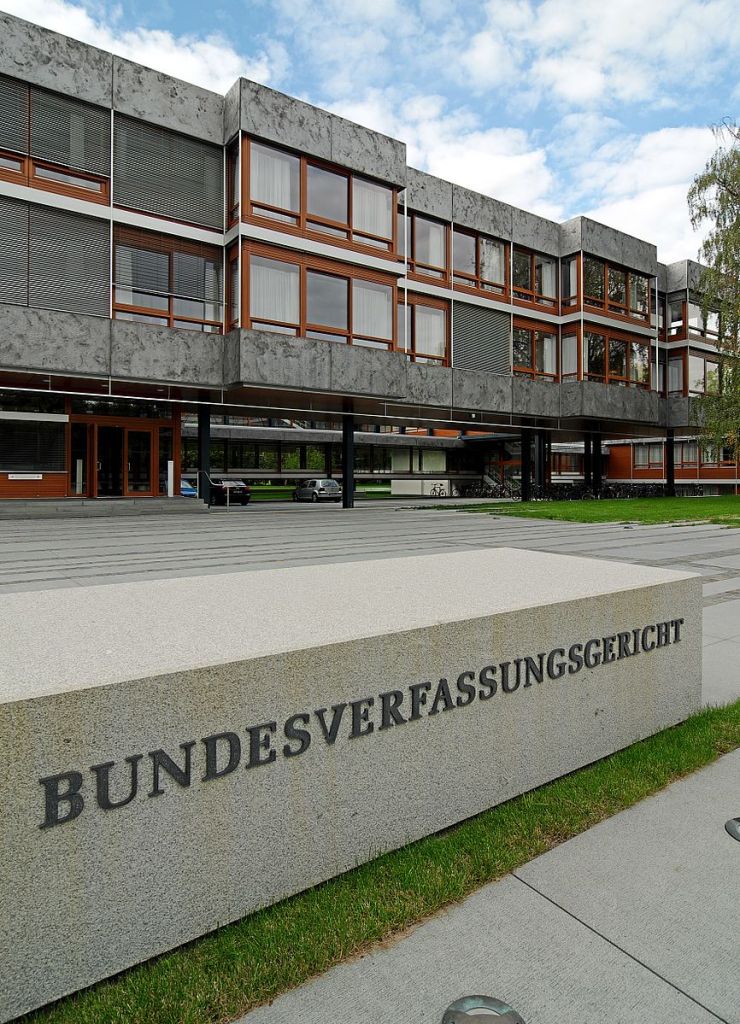
The 5th of May 2020 will be remembered as a strange day for EU law and German constitutionalism. The German Constitutional Court upheld the constitutional complaints by several groups of individuals against the European Central Bank’s Public Sector Purchase Programme (PSPP). As explained in yesterday’s post by Thomas Horsley, the PSPP set up a framework that enabled the ECB to purchase government bonds or other marketable debt securities issued by the governments of Member States in the eurozone with a view to return to an appropriate level of inflation (below 2 per cent). The Constitutional Court found that the PSPP carried considerable impact on the fiscal framework in the Member States and the banking sector in general. As such, the Court concluded that both the German Government and Parliament violated the complainants’ rights under the Constitution by failing to monitor the European Central Bank’s (ECB) mandate, in particular as regards the adoption and implementation of the PSPP.
Most importantly perhaps, the Constitutional Court held that it was not bound by the preliminary ruling of the CJEU (Article 267 TFEU) on the same issue (in Weiss discussed below). Its reasoning was centred on the Luxembourg Court’s alleged failure to properly apply the proportionality principle under the Treaty (Article 5 (1) and (4) TEU). This failure was due to a lack of assessment of the possible economic policy implications of the purchase program of public debt and lack of consideration of the availability of less restrictive means. Consequently, the Constitutional Court held that the CJEU acted ultra vires.
Two immediate reactions to the judgment
The judgment reaches beyond the practical implications of policing the boundaries between monetary and economic policies. Its impact is twofold.
First, on an institutional level, questioning the monetary mandate of the European Central Bank (ECB) as a sui generis institution operating within the EU institutional system may destabilise the high degree of independence enjoyed by the ECB in the financial crisis related cases heard before the CJEU and national courts. As feared by Maduro, the ripple effect of the judgment may therefore reach beyond the credibility of the PSPP. It may further endanger the coming into fruition of similar ECB ventures such as its recent response to Covid-19 through its new Pandemic Emergency Purchase Programme (PEPP). New cases may emerge in Germany against this and future financial assistance decisions questioning the economic side effects of the ECB’s own programmes.
Second, constitutionally the judgment poses questions of an existential nature in the midst of the Covid-19 crisis concerning the balancing between the authority and primacy of EU law, and national competences and sovereignty beyond budget matters. It also questions the current stability of the preliminary reference procedure under Article 267 TFEU as the main communication channel fostering dialogue between the national and EU legal orders. This post will consider the judgment’s constitutional implications by criticising what the judgment means for the limits of the transfer of sovereign powers to the EU, and for judicial dialogue between national courts and the CJEU, but also between the three branches of government in Germany.
Constitutional confrontations prior to the PSPP judgment
While the judgment has attracted a great deal of attention in the blogosphere, little is mentioned of the fact that the PSPP judgment is not the first instance where the German Constitutional Court has challenged the validity of the decisions of the ECB. A few years back the same Court established that its powers of review may extend outside the context of Treaty revision or secondary law implementation qua an act of an EU institution, such as the ECB, that has its own legal personality and decision-making bodies. In the seminal Gauweiler judgment of 2015 (the first ever preliminary reference from the German Constitutional Court to the CJEU) the German Constitutional Court contested the validity of the Decision of the Governing Council of the ECB on features of the ECB’s government bond buying programme (Outright Monetary Transactions – OMT) arguing that it violates EU rules on monetary policy and the Protocol on the Statute of the European System of Central Banks and of the ECB. Its reasoning was purely constructed on legal grounds – i.e. whether the OMT programme marked an important shift in the delimitation of competence to the Member States’ detriment.
In its OMT judgment, the BVerfG placed the ECB’s Decision under the scrutiny of German constitutional law due to the fact that it operated without any express judicial or parliamentary approval. It was in this regard that its constitutional identity review power kicked in as a means to reinstate the default constitutional position that fiscal policy is only to be exercised according to the principles of representation and of distribution of powers. Equally, the Bundestag was responsible for the overall budgetary responsibility. As such, the Constitutional Court’s reasoning was predicated on the condition that the balance of competence would only be restored once the CJEU provided assurances that the OMT Programme merely consists of a supporting mechanism for the EU economic policies and not one concerning the stability of the EMU. Indeed, the CJEU provided such assurances and, despite its reservations, the Constitutional Court nodded to its satisfaction.
Shortly after Gauweiler, the German Constitutional Court made another request for a preliminary ruling in Weiss, this time on the validity of the ECB’s Decision on PSPP and its subsequent amendments as a means to maintain price stability. The applicants in Weiss asked similar questions to Gauweiler in relation to ECB’s monetary mandate and its potential ultra vires acts by venturing into economic policy reserved by the Member States. The CJEU rejected this claim and ruled in 2018 that the PSPP is a proportionate measure for mitigating the risks to the outlook on price developments and that it falls within the ambit of the ECB’s competences. It is worth mentioning that compared to OMT, the CJEU’s judgment in Weiss received little wider publicity, perhaps because one could almost predict another positive nod from the German Constitutional Court.
The constitutional dimension of the PSPP judgment
This brings us to the current judgment of the Constitutional Court of 5 May 2020 vis-a-vis the refusal of the German Constitutional Court to implement the above judgment of the CJEU. This refusal was based on the grounds that the CJEU manifestly failed to give consideration to the principle of proportionality which applies under the Treaty to the division of competences between the EU and national legal orders (Article 5 (1) and (4) TEU). The judgment is reminiscent of the scenario that the Constitutional Court has been rehearsing for years (since its Maastricht decision in 1993) in its collective mind: that when push comes to shove it will be competent to decide whether an act of EU secondary law is ultra vires. It is a scenario that we have been teaching our students with the caveat that this had never materialised in Germany. As mentioned elsewhere, our syllabi might have to be revised for next year, given that the judgment signals the first time that the BVerfG directly diverges from the ruling of the CJEU in a case that it has initiated through the preliminary reference procedure (Article 267 TFEU).
But the PSPP judgment goes beyond a declaration of ultra vires of EU secondary legislation. The Constitutional Court extends its ultra vires review to the interpretation of proportionality undertaken by the CJEU as exceeding its mandate as conferred by the Treaty (Article 19 (1) TEU). It confronts the CJEU as acting ultra vires because its standard of review is not conducive to restricting the scope of competences conferred by the Treaty upon the ECB. The Constitutional Court declares that it is the final arbiter and thus not bound by the CJEU’s judgment in Weiss because it does not agree with its reasoning which it describes as ‘simply not comprehensible’ (see for instance paras 116 and 153). By holding that the Weiss judgment exceeded the mandate conferred upon the CJEU, the Constitutional Court disregards the principle that rulings of the CJEU are binding on all national courts. The Constitutional Court also seems to take no notice of Article 344 TFEU which provides that ‘Member States undertake not to submit a dispute concerning the interpretation or application of the Treaties to any method of settlement other than those provided therein’. It both hinders any future communication between the two courts on the matter and oversteps the boundaries of its powers by acting ultra vires itself.
Yet, despite its bravado, the PSPP decision does not provide any assurances that the BVerfG has finally adopted a unified and coherent approach when it comes to exercising its power to impose constitutional locks upon EU competence. A careful review of the Constitutional Court’s previous record of decisions reveals that its constitutional review has been purely theoretical and consisted of a means of getting assurances from both the EU and domestic institutions that the balance of competence between the EU and the Member States has not been transgressed. We cannot, however, overlook the possibility that in the present case this may be a gamble too far for the credibility of the German Constitutional Court. If the Court, for instance, accepts the Bundesbank’s stronger justification for why the ECB program, and decisions implementing it, are proportional the PSPP judgment may be remembered as some of the most scathing satire to scrape across the Karlsruhe courtroom since the days of Lisbon Urteil. There, the Constitutional Court took it upon itself to scrutinise the exercise of EU competences through an intra vires identity review (even when the EU is acting within its bounds of competence) in order to preserve the inviolable core content of Germany’s constitutional identity.
Throughout Germany’s history of EU membership, the Constitutional Court’s ultra vires competence review has been constructed on a ‘so-long-as’ presumption of equivalence of constitutional standards which were never deemed to be deficient at the EU level by the judges of the Constitutional Court. The current decision, however, is different because the same judges placed an additional caveat on the judicial interpretation of EU law by the CJEU. They boldly declare that:
As long as the CJEU applies recognised methodological principles and the decision it renders is not objectively arbitrary from an objective perspective, the Federal Constitutional Court must respect the decision of the CJEU even when it adopts a view against which weighty arguments could be made (para. 112)
Hence there are two important dimensions of the case where the Constitutional Court interferes with the current EU rulebook. On the one hand, the Constitutional Court appears unequivocal about imposing external controls upon the ECB’s economic assessment, seeking more transparency and proportionality as to its measures. It throws the ball aggressively into the Bundesbank’s court hoping that it will bounce in the right direction and strike at the ECB’s headquarters. There is a silver lining to this dimension of the judgment given the growth of the ECB’s competence in recent years. However, the Court’s economic analysis is hardly so convincing as to make a bulletproof argument.
On the other hand, the PSPP judgment establishes an ultra vires test that is insensitive to the CJEU’s jurisdiction conferred under the Treaty. There is a surprise element here given that the CJEU has been consistent in its last two preliminary rulings about proportionality. Of course, one can argue that the CJEU’s proportionality control over the acts of the ECB has always been based on the wrong footing. But for the above reasons, unlike the Constitutional Court’s previous theoretical Kompetenz-Kompetenz challenges, the current decision seems to allow little scope for putting the reverse gear in place (unless the Court is prepared to accept any proportionality justification). But even if the judgment is about principle and the Court runs with just about any Bundesbank proportionality justification thrown at it, some damage is too severe to handle on its own without causing further harm to Germany’s EU membership.
By disregarding the CJEU’s exclusive powers of treaty interpretation the Constitutional Court endangers Germany’s duty of sincere cooperation (under Article 4(3) TEU) to the EU against the wishes of the other two branches of government. Even if the judgment is about principle, the price is too high to pay as an ultra vires act is not to be applied in Germany. This means effectively that the German Government is put on the spot and asked to choose between its EU membership obligations and its allegiance to the Constitution as interpreted by the Constitutional Court. At the same time, the judgment raises a question about the extent to which the duty of sincere cooperation under EU law applies in the internal tensions of a Member State.
While, therefore, protecting individual rights under the Constitution, the PSPP judgment questions the principle of separation of powers under the German Constitution and the unity between the three branches of government and people to respond to external pressure from the ECB. The judgment is, however, more than an attempt of the German Constitutional Court to revert to a long-standing statement of intention to review EU law and show its real teeth to the EU Institutions. As such we must be careful in attributing it a veneer of constitutional patriotism. By holding that both the German Government and Parliament violated the Constitution, judges turn in effect against all parties involved in the materialisation of the PSPP, albeit them sitting in Frankfurt, Luxembourg or in Berlin. One can hardly interpret as healthy national dialogue the 3-month ultimatum given by the Constitutional Court to the German Government and Parliament to secure a new evaluation of the PSSP from the Governing Council of the ECB that complies with the proportionality test set by the Court as regards its economic and fiscal policy implications. The ECB needs, in particular, to provide authorisation to the Bundesbank to send to the Constitutional Court all relevant documentation both published and unpublished providing the necessary proof that all possible consequences of the purchase program were considered. Failure to do so means that the Deutsche Bundesbank will have to withdraw from the implementation and enforcement of the PSPP.
Conclusion
While EU Institutions are far from being infallible and Member States can and should confront their counterparts in the EU, the current decision sets a dangerous course because it allows no room for internal dialogue to be fostered between the Constitutional Court, the Government, and Parliament so that a uniform national approach can be adopted against ECB policies, whether this means accepting them or challenging them before the CJEU as a Member State. The Constitutional Court’s judgment shall not therefore be only interpreted as an act of defiance against the EU but also as a decision that jeopardises the Constitutional Court’s own reputation (which, as explained yesterday, has been envied by last instance courts across Europe) and, depending on the EU’s reaction, Germany’s good record of membership in the EU.
The ECB’s and CJEU’s responses to the judgment, as well as the Commission’s issuing of a Press Release warning of the possibility of bringing infringement proceedings against Germany (if the Bundesbank fails to implement its obligations under the Eurosystem) are proof that the judgment is more than a storm in a teacup and that the current mutiny in Karlsruhe may have to be resolved by using formal EU dispute resolution mechanisms. Any fears that the PSPP judgment is emblematic of the wider rule of law crisis (in the form of defiance towards EU membership obligations) that has been brewing for the last half decade at the heart of the EU are indeed legitimate. Responding to such a crisis during an extraordinary period of disruption, ill health and economic hardship is perhaps the biggest challenge that the EU has been confronted with since its very inception. This is tenfold when faced with a founding Member State questioning, through its judiciary, the integrity of EU Institutions. Let us hope that both the EU institutions and the German Constitutional Court will measure the cost of this episode and common sense will prevail.
The author wishes to thank Mike Gordon and his colleagues Anastasia Karatzia and Nikos Vogiatzis for their useful suggestions. This post was originally published on the UKCLA Blog and is reproduced here with permission and thanks.








 Essex Law Research Blog