The looming threat of a ‘forever war’, characterised by the so-called ‘Global Battlefield’ and the perpetual applicability of International Humanitarian Law (IHL), has thrust the question of when and how Non-international Armed Conflicts (NIAC) end to the forefront of international concern and debate. In both practical and legal terms, identifying the end of a NIAC is notoriously difficult. There are several reasons for this, but two in particular should be highlighted.
First, is the complex spectrum of social, political and economic factors that underpin, propel, and ultimately bring NIACs to an end. Indeed, history is replete with NIACs spanning several years and, in some cases, several decades.
Second, is the virtual silence of IHL regarding its temporal scope of application during NIAC. While conventional IHL speaks of the ‘end of hostilities’ and the ‘end of the conflict’, it stops short of providing any guidance on the precise meaning and scope of these expressions, or the relationship between them.
These factors are further compounded by a comparative dearth in legal scrutiny of when and how NIACs end. While considerable judicial and academic analysis has focussed on IHL’s threshold of activation (when a NIAC legally comes into existence), much less attention has been given to its threshold of termination (when a NIAC legally ends).
The article first explores the temporal architecture of Common Article 3 and Additional Protocol II to determine what, if anything, IHL has to say about its threshold of termination. From here, it unpacks and critically examines two of the leading approaches for determining IHL’s threshold of termination during NIAC: the ‘peaceful settlement’ approach advanced in the jurisprudence of International Criminal Law; and the ‘lasting pacification’ approach advanced by the International Committee of the Red Cross.
While both of these approaches possess advantages and limitations, it is argued that neither produce entirely satisfactory results for determining IHL’s threshold of termination during NIAC. In short, their common ailment is a quest for a single point in time that marks the ‘end’ of a NIAC, and at which point IHL terminates in toto. In practice, such an approach invariably results in the over-extension of IHL to factual circumstances that no longer warrant its application, or by the termination of its applicability before comprehensive protection is restored under International Human Rights Law.
For these reasons, the article develops and proposes an innovative ‘functional approach’ for determining IHL’s threshold of termination during NIAC, which addresses the silence and shortcomings of existing law and doctrine, while at the same time, holds true to the very object and purpose of IHL during NIAC.
Exploitation has been given a prominent place in the definition of ‘human trafficking’ found in the 2000 United Nations Palermo Protocol. It is identified as the specific aim of the crime of trafficking: all human trafficking is for the purpose of exploitation. But while the protocol lists some examples of exploitation, including slavery, servitude, or forced labour, it does not define the term itself. Nor do the numerous other international instruments that reference the term. And so, as Susan Marks has rightly wondered, we must ask ourselves: “When activists invoke international law to challenge exploitation, when lawyers advise on rights and duties regarding exploitation under international law, and when academics discuss the theme of exploitation in international legal writing, what is it that they have in mind?”
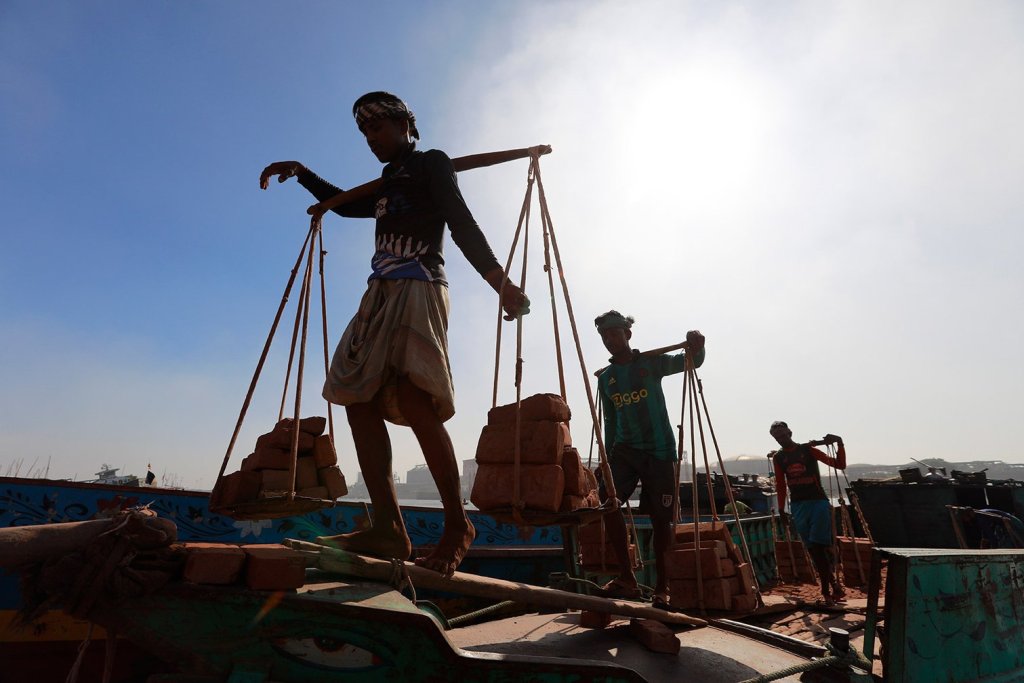
I recently proposed a tripartite definition of exploitation, which I argue underpins practices commonly referred to as ‘modern slavery’. While ‘modern slavery’ is not a legal category per se, I use it as an umbrella term for the practices of human trafficking, slavery, servitude, and forced or compulsory labour. These are jointly prohibited in many human rights instruments, either expressly, as in the EU Charter of Fundamental Rights or the Arab Charter on Human Rights, or implicitly, as in the case of the European Convention on Human Rights. Exploitation is a distinct harm that binds together practices captured by the human rights prohibition against ‘modern slavery’, which includes both actual manifestations of exploitation in the form of slavery, servitude, and forced or compulsory labour, and intended exploitation as part of human trafficking. The latter, if uninterrupted, always results in actual exploitation.
The three elements of my proposed definition are: “(a) abuse of vulnerability of an exploitee; (b) excessive (disproportionate) gain acquired through the actions of an exploitee; (c) sustained action (the practice takes place over a period of time)”. We will cover each element in turn below. Before we do that, however, I must first note that my proposed definition of exploitation applies only to practices of ‘modern slavery’ and represents the severity threshold for triggering important state obligations to protect victims under human rights law. Accordingly, while we may consider exploitation as a continuum, it is important to distinguish practices that trigger state obligations required by international human rights law from lesser forms of exploitation that warrant different types of action, or no action at all.
In other words, the proposed definition of exploitation sets “a threshold of seriousness, which operates to prevent the inclusion of less serious forms of exploitation into the concept of trafficking in persons, such as labour law infractions that may be anyway subject to another legal regime”. As such, the definition represents an important tool for both courts and individual victims in determining whether a state owes and has complied with its obligations arising out of human rights law. The absence of clear parameters for determining what counts as exploitation allows states to misclassify victims as ‘predatory economic migrants’, who willingly deploy the services of smugglers to bring them across international borders, or as ‘criminals’, who engage in unlawful activities such as cannabis cultivation or shoplifting.
The three pillars of exploitation that underpins ‘modern slavery’
Exploitation as a distinct harm that underpins all practices of ‘modern slavery’ rests on three cumulative conditions. These are discernible from philosophical debates and the jurisprudence of international and domestic courts, but they have never been expressly spelled out. These are: a) the abuse of vulnerability of an exploitee; b) excessive (disproportionate) gain acquired through the actions of an exploitee; and c) sustained action over a period of time. These three cumulative conditions provide a universal frame of reference for the notion of exploitation in relation to ‘modern slavery’, while allowing for a certain leeway to account for specific conditions in different countries. We will consider each in turn.
The vulnerability may be of any kind, whether physical, psychological, emotional, family-related, social or economic. The situation might, for example, involve insecurity or illegality of the victim’s administrative status, economic dependence or fragile health. In short, the situation can be any state of hardship in which a human being is impelled to accept being exploited.
Explanatory Report to the CoE Convention on Action against Trafficking in Human Beings (Warsaw, 16 May 2005)
Importantly, it is the abuse of vulnerability, not vulnerability per se, that is a necessary condition for the notion of exploitation. It is considered that “one’s vulnerability is exploited if the other person uses this weakness to obtain agreement to, or at least acquiescence in, a course of action that one would not have accepted had there not been this asymmetry in power”.
Establishing that a person had no realistic alternative due to the abuse of vulnerability might seem a weighty task, but it is not unlike other matters domestic courts engage with on a daily basis when it comes to assessing factual circumstances. For example, the UK Court of Appeal addressed this question in a case concerning an Iraqi Kurdish woman. She appears to have voluntarily approached the smuggler to bring her to the UK but was allegedly coerced into having sex with him along the way. The court found that “while she may have been vulnerable, she had a real and acceptable alternative available to her (…) in the shape of making an asylum and human rights claim to the French authorities.” The extent to which domestic courts are sympathetic to the plight of victims and are willing to interpret this condition broadly is debatable, but this is something which can be evaluated.
Excessive Gain. The second element of my approach to exploitation is concerned with excessive gains. While an exploited person may sometimes ‘benefit’ from being exploited, whatever benefits might accrue will fall significantly short in terms of “what [they] might or ought to be” when judged from the standpoint of fairness, as the philosopher Robert Mayer put it. However, the nature of fairness is not necessarily straightforward. An entry in the Encyclopedia of Ethics notes, there may be “as many competing conceptions of exploitation as theories of what persons owe to each other by way of fair treatment”. Nonetheless, the philosopher Mikhail Valdman is likely right when he concludes that extracted benefits become unfair and excessive when “they deviate from the benefits we would expect A to receive were he transacting with someone who was rational, informed, and could reasonably refuse his offer”.
Thus, in addition to the abuse of vulnerability, exploitation is characterised by excess: a disproportionate gain at the expense of an exploited person. In all situations of exploitation an exploited person gives significantly more than she receives in return. Take, for example, a case before the European Court of Human Rights which considered allegations of servitude and forced or compulsory labour by two orphaned Burundi sisters, aged sixteen and ten. The court ruled that “the type and amount of work involved (…) help distinguish between ‘forced labour’ and a helping hand which can reasonably be expected of other family members or people sharing accommodation”.
Distinguishing between the situations of the two sisters, the court found that the older one was forced to work “so hard that without her aid Mr and Mrs M. would have had to employ and pay a professional housemaid”. The second sister, by contrast, was said not to have contributed “in any excessive measure to the upkeep of Mr and Mrs M.’s household”. It is clear that all circumstances of the case need to be taken into account when assessing whether actions required from an individual were disproportionate to the benefits she received in return. Like the assessment of ‘no realistic alternative’ for the element of abuse of vulnerability, this is a factual question which courts can determine.
Sustained Action. We have so far established two necessary conditions for an exploitation: first, that one extracts excessive benefits, and second, that these benefits are extracted from someone who is unable to reasonably refuse an offer or demand. The final element of my approach to exploitation is the idea of repetitiveness. Exploitation takes place (or is intended to) over a period of time. One-off situations may qualify as fraud or abuse, but exploitation in the context of ‘modern slavery’ involves sustained activity. This “indeterminate temporal nature” is said to be “one of the defining characteristics of the crime of slavery”. Similarly, inherent in the notion of servitude is a victim’s feeling that her condition is permanent and that the situation is unlikely to change. When it comes to the concept of forced labour, it is obvious that ‘labour’ implies work that stretches over a period of time – not a one-off transaction.
When these three elements are put together, we have a working legal definition of exploitation within the context of ‘modern slavery’: to exploit is to acquire disproportionate gains from the actions of an individual by abusing her position of vulnerability over a sustained period of time. All three cumulative conditions (abuse of vulnerability, excessive gain, and sustained action) are factual, which leaves room for domestic courts to use national parameters when interpreting potentially exploitative practices while preserving the universality of the definition itself.
In a seminal case by the Dutch Supreme Court concerning the exploitation of Chinese restaurant workers with irregular migration status in the Netherlands, the court held that “the wretchedness of the working conditions required to conclude that exploitation is an issue” was to be determined by using “the Dutch situation as the benchmark”.
This approach means that exploitation must be regarded as a relative concept. What one country understands as exploitation may not amount to exploitation in another country, with differences being especially pronounced along the North-South divide. Yet, such flexibility is both inevitable and appropriate. This is because divergent standards between states is far less problematic than unequal protection of individuals within one state, where characteristics such as one’s immigration status or type of employment are decisive in determining the extent of protection against exploitation one may enjoy. Virginia Mantouvalou shows how the immigration system and schemes leading to precarious employment conditions are conducive of exploitation of certain categories of individuals within the UK. Thus, while labour conditions are expected to differ between states, practice reveals that even within one country certain categories of individuals experience unequal treatment and lesser protection of their rights than other categories, regardless of whether a country in question belongs to the Global North or South.
Even though the proposed definition allows for some divergence between states when determining which practices count as exploitative, it mandates each state to provide equal treatment to all persons within their jurisdiction once the three conditions are met, irrespective of their immigration or employment status. As such, it represents a powerful tool in hands of individuals subject to exploitation and a useful benchmark for courts when asked to determine which practices engage important human rights obligations of states.
This post first appeared on the website of openDemocracy and is reproduced here with permission and thanks.
On 11 November 2020, Dr. Emily Jones, Lecturer in Law at the University of Essex, spoke in the Ghandi Research Seminar Series at the University of Reading Global Law at Reading (GLAR) group. The topic of Dr Jones’ talk was ‘Posthuman International Law and the Rights of Nature.’
The paper began by outlining what ‘the environment’ of international environmental law is, looking at both general public international environmental law regimes as well as developments within the field of human rights and the environment. Overall, the paper argued, by drawing on critical environmental law scholarship, that ‘the environment’ of environmental law largely remains anthropocentric in its conceptualisation, separating human, non-human and environmental interests into separate legal spheres and promoting human interests above all others. A more integrated approach to environmental law was highlighted as being necessary.
The paper then moved on to consider the usefulness of applying a posthuman theoretical framework to re-imagine international environmental law. Noting the links between posthuman theory and emerging rights of nature approaches to legal environmental protections, the paper went on to argue for the need to situate posthuman theory at the centre of the rights of nature project, it being noted that this will prove especially key as global standards are developed and begin to emerge.
The paper drew on examples of where nature has been granted rights in various contexts, including in Ecuador, New Zealand and the US. The examples were used to analyse best practice and emerging standards. Seeking to re-think the law in the posthuman, the paper concluded by outlining the potentials in the rights of nature project as well as the limitations, highlighting the barriers faced with working within, albeit seeking to change, the liberal humanist frame that is international law.
The paper given will make up part of a journal article on the same topic that Dr Jones is currently drafting. To listen to recording of this talk, please go to the GLAR website here.
Dr. Antonio Coco, Lecturer in Law at the University of Essex, has co-drafted The Oxford Statement on International Law Protections Against Foreign Electoral Interference through Digital Means, which has been signed by 139 international lawyers so far.
The Statement is the third in a series — informally known as the “Oxford Process” — aiming to clarify the rules of international law applicable to cyber operations which threaten areas of pressing global concern.
The first Statement (May 2020) concerned the protection of the healthcare sector. The second Statement (July 2020) focused on the protection of vaccine research. The third and most recent one (October 2020) tackles foreign electoral interference, and can be read at EJIL:Talk!, Opinio Juris and JustSecurity.
By Geoff Gilbert, Professor of International Human Rights and Humanitarian Law, University of Essex, Chair of the Global Academic Interdisciplinary Network
The United Nations Global Compact on Refugees (GCR) of 2018 is a document that tries to embrace all aspects of forcible displacement across international borders in the 21st century. This review of the new EU Pact will focus principally on how it might facilitate solutions for displacement in relation to the GCR, but necessarily there first has to be some more general analysis.
CONSIDERING that the grant of asylum may place unduly heavy burdens on certain countries, and that a satisfactory solution of a problem of which the United Nations has recognized the international scope and nature cannot therefore be achieved without international co-operation.
Nevertheless, it took until the GCR in 2018 to put “flesh” on those bare bones. As figures from UNHCR [accessed 14 September 2020] show, there are 79.5 million displaced persons of concern to UNHCR, of whom 20.4m are refugees and 4.2m are asylum seekers; 73% live in neighbouring countries to those that they have fled, often alongside the 45.7m internally displaced persons (IDPs) who are also of concern to the organisation.[1] Of the top five hosting states, only Germany is in the global north: 80% of displaced persons of concern to UNHCR live in states where there is acute food insecurity and malnutrition.
In these circumstances, where the modal average length of a situation of displacement is around eighteen years, it is little wonder that the development actors play such an important role in the GCR, while UNHCR maintains its unique protection mandate for all refugees, including asylum seekers and returnees without a durable and sustainable solution.
Some aspects of the new EU Pact have a direct impact on how the GCR’s guiding principles and objectives (paragraphs 5 and 7) are to be achieved – as the new Communication on the new Pact (COM(2020) 609 FINAL) states, the EU is the “the world’s major development donor” (p. 18).
As regards durable and sustainable solutions, the traditional three are voluntary repatriation, resettlement or local integration. The GCR recognised a fourth means for responding to displacement, complementary pathways for admission to third countries (paragraphs 94-96). There is, however, language in those paragraphs that indicates that complementary pathways are not durable and sustainable, with references to student scholarships and labour mobility. If the objective is to provide the refugee with the sustainable international protection of a state rather than that upheld by UNHCR under its mandate, then studentships and labour mobility schemes do not offer that guarantee, at least in the first instance, although they may facilitate one of the traditional durable solutions and provide the refugee with the capacity to resolve their own situation.
The new EU Pact and the GCR
It is always worth mentioning that the EU’s approach of joining asylum with migration is fundamentally flawed, regardless of how long they have persisted with it. Asylum is about protection and immigration is about controlling borders.[2]
The idea that the new Pact’s focus should be “a common framework for asylum and migration management at EU level as a key contribution to the comprehensive approach and seeks to promote mutual trust between the Member States” does undermine the primacy of refugee protection (COM(2020) 610 final, 2020/0279 (COD), Proposal for a Regulation of the European Parliament and of the Council on asylum and migration management and amending Council Directive (EC) 2003/109 and the proposed Regulation (EU) [Asylum and Migration Fund] (23 September 2020), p.2).
Nevertheless, in the context of solutions, some aspects of the new Pact may be facilitative (see, C(2020) 6467 final Commission Recommendation of 23.9.2020 on legal pathways to protection in the EU: promoting resettlement, humanitarian admission and other complementary pathways (23 September 2020), Preambular paragraphs 3 and 6). Equally, those elements relating to prevention, development aid and migration as a way to end refugee status and protect the dignity of refugees could be helpful (see COM(2020) 609 final, §§6.2, 6.3, 6.5)
2.1. Prevention
The cynical view within the 1990s was that there was no such thing as post-conflict, just a pause before it was pre-conflict again. Nevertheless, the link between development assistance and prevention is well established and is even built into the responsibility to protect (UNGA Res. 60/1 (2005), paragraph 139).[3]
139 … We stress the need for the General Assembly to continue consideration of the responsibility to protect populations from genocide, war crimes, ethnic cleansing and crimes against humanity and its implications, bearing in mind the principles of the Charter and international law. We also intend to commit ourselves, as necessary and appropriate, to helping States build capacity to protect their populations from genocide, war crimes, ethnic cleansing and crimes against humanity and to assisting those which are under stress before crises and conflicts break out.
The new Pact takes this further and should be read with paragraphs 8 and 9 of the GCR:
8 … In the first instance, addressing root causes is the responsibility of countries at the origin of refugee movements. However, averting and resolving large refugee situations are also matters of serious concern to the international community as a whole, requiring early efforts to address their drivers and triggers, as well as improved cooperation among political, humanitarian, development and peace actors.
In line with the Sustainable Development Goals, the international community, including the EU, should provide development assistance. The new Pact takes a similar line in COM(2020) 609 final §6.3 when it asserts that,
Conflict prevention and resolution, as well as peace, security and governance, are often the cornerstone of these efforts. Trade and investment policies already contribute to addressing root causes by creating jobs and perspectives for millions of workers and farmers worldwide. Boosting investment through vehicles such as the External Investment Plan can make a significant contribution to economic development, growth and employment.
On the other hand, while the new Pact has some useful language regarding long-term prevention through addressing root causes, there are other references that indicate an EU-centric attitude that will not effect global fairness and reduced displacement. In COM(2020) 609 final, §2.4 of the document talks about how “[the] new Asylum and Migration Management Regulation will … improve planning, preparedness and monitoring at both national and EU level”, rather than solidarity with the states in low- or middle-income countries who host 83% of the world’s refugees (UNHCR Global Trends 2019, p.25); as such, the focus once again seems to be on averting another 2015 European asylum crisis that never was a crisis given the wealth of European Union member states and the very limited numbers they were dealing with by comparison with many other low- or middle-income countries.[4]
2.2. Burden- and responsibility-sharing/ Local Integration
Predictable and equitable burden- and responsibility-sharing is fundamental to all of the GCR (paragraph 3). In this particular context, given the protracted nature of most displacement crises and that most displaced persons only cross one border according to the World Bank (Forcibly Displaced, 2017, p.23), supporting the low- or middle-income countries who host most refugees is part of the solution to the crisis. Solutions start from the moment of protection, as human rights and the rule of law protect refugees in the country of asylum.
The traditional durable and sustainable solutions are the endpoint of an international protection framework that is based on resolving the issues to which displacement gives rise: denial of access to education, employment and healthcare, interference with the guarantees the rule of law should offer, and the upholding of human rights. Some of the new Pact targets these problems refugees face during their situations of displacement. COM(2020) 609 final §6.2 states that
… [The] EU is determined to maintain its strong commitment to providing life-saving support to millions of refugees and displaced people, as well as fostering sustainable development-oriented solutions.
Nevertheless, this is a perfect example of why the new Pact might be evidence of hope triumphing over expectation. Niger has provided incredible support to forcibly displaced persons for years,[5] but according to the UNDP Human Development Index for 2020, Niger came 189th out of 189 countries. The EU should not be ‘solving’ forced displacement and providing protection through transfer to one of the poorest countries on the planet.
What is also true, however, is that whether formally or not, lots of forcibly displaced persons remain for protracted periods in the country of asylum and settle there. As will be seen, where voluntary repatriation is not possible, refugees have few options other than to make a new life in the country giving protection. The generosity of many countries of asylum in this regard, though, cannot be abused by the international community and, thus, EU initiatives with respect to development, also indicated in the new Pact, will inevitably play a large part in solutions. According to COM(2020) 609 final §6.3:
The EU is the world’s largest provider of development assistance. This will continue to be a key feature in EU engagement with countries, including on migration issues. Work to build stable and cohesive societies, to reduce poverty and inequality and promote human development, jobs and economic opportunity, to promote democracy, good governance, peace and security, and to address the challenges of climate change can all help people feel that their future lies at home.
It may not be what low- or middle-income countries hoped for during the Formal Consultations on the GCR, but without robust engagement with the source states, which have predominantly remained the same since the 1990s (World Bank, Forcibly Displaced, 2017, p. 23), voluntary repatriation will not resolve displacement crises.
2.3. Resettlement and Complementary Pathways
Resettlement is one of the classic durable and sustainable solutions, but it is less and less available, such that only for the most vulnerable will it provide a means of ending refugeehood. The Commission Recommendation on legal pathways to protection in the EU: promoting resettlement, humanitarian admission and other complementary pathways (C(2020) 6467 final) supports the expansion of resettlement programmes within the EU. But even so its impact on low- or middle-income countries that host so many refugees would still be minimal because the base figure is so low – 107,800 in a mere 26 countries worldwide in 2019 according to UNHCR.
The proposed Recommendation is a positive move by the EU, although the role of the European Asylum Support Office (EASO) alongside UNHCR needs to be further developed. Complementary Pathways are an additional solution listed in the GCR (paragraphs 94-96), but whether they will always be durable and sustainable like the traditional ones is open to question. The Pact deals with one very specific aspect of this in §6.6, the migration control effected through visa requirements for short-term mobility.
The remaining aspects of the proposed Recommendation apply equally to resettlement and complementary pathways. The aim of trying to ensure that forcibly displaced persons do not have to resort to irregular migration or even people smugglers is to be commended (§6.6, new Pact), but unless that reflects effective access rather than simply top slicing particular refugees based on limited skill sets that only suit EU member states (see paragraphs 19 and 21 of the Recommendation), then no noticeable change will take place. It will also reduce the skill-base in the country of nationality for when transition towards peace and stability can commence.
To start, resettlement is a humanitarian response that benefits refugees and the countries of first asylum, usually low- or middle-income countries, it is not a means by which to “match people, skills and labour market needs through legal migration” (§6.6, new Pact). That might be applicable to complementary pathways, but not resettlement as is clear from the Pact’s own description of the Union Resettlement and Humanitarian Admission Framework Regulation. The Pact also encourages broader community engagement with resettlement programmes that again reflects positive aspects of the GCR. (see paragraph 91 read in the light of paragraphs 33-44).
2.4. Voluntary repatriation
Often spoken of as the most desired solution by refugees and countries of asylum, voluntary repatriation relies on restoration of human rights and rule of law in the country of nationality, along with substantial development initiatives. UNHCR can ensure that voluntary repatriation does lead to durable and sustainable solutions for returning refugees through monitoring, but the international community as a whole will provide the framework.
The EU has a major role to play in peace building and conflict resolution, not only as regards addressing the root causes, not just vis-à-vis prevention, but also to encourage voluntary repatriation (§6.3). While there is much in the new Pact on the economic initiatives and on return programmes where people do not require protection, more on restoring human rights, rule of law and good governance would have been welcome.
Conclusion
The Pact on Migration and Asylum has once again missed the opportunity to put the EU at the forefront of resolving the global displacement crisis. It focuses on internal EU concerns and aims at pushing the problem away, often with a cynical reference to how that will protect so many from the dangers they might face in trying to reach Europe. When only 17% of persons of concern to UNHCR were in high-income countries in 2019, the need to support low- or middle-income countries and to offer enhanced protection and assistance to refugees should have been the outward-looking drivers for this review. International protection standards have been sacrificed in the (vain?) hope of achieving a compromise within the EU.
[1] This year’s figures include 3.6 million Venezuelans displaced abroad, alongside the 93,300 refugees and 794,500 asylum seekers – 4.5 million Venezuelans in total.
[2] For further discussion, see Gilbert, ‘Is Europe Living Up to Its Obligations to Refugees?’ 15 EJIL 963 at 968 (2004); Refer to S. Carrera, ‘Whose Pact? The Cognitive Dimensions of the New EU Pact on Migration and Asylum’, Policy Insight Kick-off Contribution to the ASILE Forum.
[3] For further discussion, see Gilbert, ‘Rights, Legitimate Expectations, Needs and Responsibilities: UNHCR and the New World Order’, 10 International Journal of Refugee Law 349 (1998), fn.1.
Partners/organisations:Dejusticia, a Colombian Think-Do-Tank
What is your research about?
Colombia and the FARC (Revolutionary Armed Forces of Colombia—People’s Army; Spanish: Fuerzas Armadas Revolucionarias de Colombia) signed a comprehensive peace agreement in 2016 which devises a transitional justice system to respond to the atrocities suffered by more than 9 million victims over various decades of armed conflict. The focus of our research is the transitional justice system (mechanisms and processes) which was designed by the peace agreement. In particular, our research focuses on one of the key transitional justice mechanisms: the Special Jurisdiction for Peace (SJP), which was created to ensure accountability for the atrocities, especially on how its work can be supported and strengthened to fulfil victims’ right to justice, reparation, and truth.
What activities did your GCRF@Essex funding support?
Our GCRF@Essex funding supported trips to Colombia to build and strengthen networks and contacts, hold events such as meetings with colleagues at the Special Jurisdiction for Peace about the challenges they are facing. We also organised meetings to receive feedback from relevant stakeholders on our research, and on future research that would be of relevance for Colombian transitional justice actors.
We also hired Colombian researchers to write policy papers and other documents, for example, a guide on how the Colombian Special Jurisdiction should deal with economic actors and how to define legal concepts that are of crucial importance for the work of the Special Jurisdiction for Peace. We launched these publications at events in Bogota.
We also obtained GCRF@Essex funded fellowships for several Colombian colleagues to attend the Human Rights Centre Research Methods summer school at Essex or to spend some research time at Essex to develop further research projects. For example, a key GCRF@Essex funded activity was to carry out joint research with Dejusticia, a Colombia-based research and advocacy organisation dedicated to the strengthening of the rule of law and the promotion of social justice and human rights in Colombia and the Global South. We successfully applied with Dejusticia colleagues to an AHRC GCRF urgency funding call and are currently working with Dejusticia and the Bonavero Institute for Human Rights at the University of Oxford on the AHRC funded project: Legitimacy, accountability, victims’ participation and reparation in transitional justice settings – lessons from and for Colombia. GCRF@Essex funds have supported our work on various legal and other issues that have emerged from this AHRC grant. For example, work on potential alternative sanctions for those responsible for mass atrocities who confess their crimes before the Special Jurisdiction for Peace.
You have been looking at the Special Jurisdiction for Peace (SJP) in Colombia, how is your project benefitting the country and which Sustainable Development Goals (SDGs) are being addressed?
Our project benefits the country by strengthening the work of the Colombian Special Jurisdiction for Peace (SJP), which plays a central role for ending impunity, achieving accountability for conflict related crimes and justice for victims. Through assisting the SJP we ultimately support the goals of consolidating peace and promoting reconciliation. The SJP is working under enormously challenging circumstances, as Colombia is a highly polarised country and the implementation of the peace agreement, and the legitimacy of the SJP, are highly contested. In that context, it is of crucial importance to support the SJP’s work. The legal framework within which this jurisdiction is working is new not only in Colombia but also worldwide. Colombia’s transitional justice approach is highly innovative and ambitious and that translates into big challenges that need to be overcome on a daily basis. The daily work of the SJP raises many conceptual challenges that are relevant for advancing SDGs 16 (Promoting Peace, Justice and Strong Institutions), 10 (Reducing Inequalities), and 5 (promoting gender equality). Our research contributes to Colombia’s achieving these goals by providing urgently needed recommendations to the SJP, particularly on key legal concepts such as the criteria for the selection of cases, victim participation and reparation. All of this strengthens the work of the SJP.
What tips would you give to other people applying for projects funded by the Global Challenge Research Fund?
The main advice would be to invest a lot of time and effort in building in-country academic and non-academic networks and devise projects with partners and stakeholders in the relevant countries to maximise the impact of the research.
Your GCRF activities have involved various colleagues from Colombia, especially Dejusticia and the SJP, how did you find your collaborators?
Initially, we built the connection with Dejusticia more than a decade ago, in the context of a project focused on linking corporate accountability and transitional justice, funded by a British Academy UK Latin America links grant. To that event, we invited a colleague from Dejusticia to a seminar at Essex who then contributed to an edited collection that followed from that project. We sustained and broadened our links with Dejusticia through regular visits to Colombia where we would hold meetings with them and gradually started to design and carry out joint projects.
Collaboration with the Special Jurisdiction for Peace partly came about through professional contacts who work at the SJP, but also through regular meetings jointly organised with Dejusticia where we would provide a space to exchange experiences and be kept updated with the main challenges the SJP is facing. This information feeds back into our work and makes it relevant to the work of the SJP which in turn helps to broaden our networks in Colombia.
What were the main challenges you encountered working on these collaborative projects?
Obtaining the necessary funding to keep the projects going and finding the time for our involvement.
How do your GCRF funded projects support your wider research plans?
Our research plans have greatly benefited from GCRF funding, as our research is impact focused and the GCRF funded projects permitted us to focus on our areas of interest while at the same time devising impact work which we consider of significant importance in the area of transitional justice. Importantly, GCRF funding has permitted us to tackle relevant issues that have come to our attention in the middle of other research, and to respond to them effectively by having access to the necessary human and other resources to carry out quality and timely research.
On 30 April and 1 May 2020, the University of Essex (School of Law and Human Rights Centre) hosted a workshop on the subject of Human Rights and Climate Change.
Owing to the Covid 19 crisis it was necessary to hold the event as a webinar rather than an in person event at the university itself. However, this had the welcome side-effect of providing the opportunity for more students, scholars and experts than had originally been anticipated to engage and participate in the discussions.
The intention behind the workshop was to provide a forum for debate relating to certain practical themes within the relationship between human rights and climate change where further clarification of state responsibilities is still required.
Over the last ten years, the United Nations (UN) has acknowledged the strong links between human rights and climate change. In particular the Human Rights Council has issued numerous reports elaborating on those links and it has encouraged further work on the subject.
At the domestic level, many countries have environmental rights incorporated into their constitutions. The Paris Agreement acknowledged the human rights impacts of climate change and in 2019 the UN Special Rapporteur on Human Rights and the Environment (Dr David Boyd), issued a report that asserted that people have the ‘right to a safe climate’.
However, despite the variety of developments that have taken place in the field within a relatively short space of time, there is still much work that needs to be done to further elucidate the content of human rights responsibilities that states have relating to climate change and the ways that they should implement them.
Therefore, this workshop provided a focal point for debate related to specific areas where clarification is required. As the solutions to the issues in question inevitably require non-legal expertise to inform our understanding of the way that law should be developed, the workshop brought together a uniquely interdisciplinary group of participants from law, policy, engineering, science, public health, urban planning and architecture. In bridging the gap between law and other disciplines it is hoped that the workshop contributed to the development of collaborative inter-disciplinary approaches in the field.
The organisers of the workshop would like to thank all those who participated by giving presentations or chairing sessions, also the School of Law and Human Rights Centre at the University of Essex; the Centre for Architecture and Sustainable Environment (CASE) at the University of Kent; The Eastern ARC Fund for its invaluable support and all those, from many different parts of the world, who attended the event.
The following provides a summary of the panel sessions that were held over the two days:
Panel 1: Institutional Understandings of the Relationship Between Human Rights and Climate Change
Prof. Knox traced and explained and provided insights relating to the history of the relationship between human rights and climate at the institutional level up until 2015. Dr Boyd then gave an account of the developments that have been taking place since the Paris Agreement along with an explanation of the work that he has undertaken in his role as the UN Special Rapporteur.
Panel 2: Human Rights, Climate Change and Transitions to a Low-Carbon Urban Environments
This session brought together experts from the diverse fileds of urban planning, architecture, engineering and law to discuss the challenges of developing low-carbon cities (particularly in the Global South) and the role that human rights should play in that process. Speakers in this panel were: Dr. Silvio Caputo (University of Kent), Dr. Ruchi Choudhury (Cambridge) and Ms Naysa Ahuja (World Bank).
A video for this panel is not available.
Panel 3: Litigation on Human Rights and Climate Change
This panel focussed on the recent growth in climate change litigation around the world, taking stock of the role that human rights have played in it. Attention was given to litigation both at the international and domestic level, across different countries.
Panel 4: Climate Change and Rights-Based Approaches to Public Health
The fourth panel focussed on understanding the role that rights-based approaches can have in addressing climate-related public health issues and the role that international health institutions should play in developing climate change policy. The panel covered the role of the WHO, the development of benchmarks and standards, as well as recent litigation related to air pollution and public health in a climate context.
Panel 5: Conflict and Contestations Around Human Rights and Climate Change
The final session of the workshop problematised the idea of a straight-forward relationship between climate change and human rights. Contributions examined the ways human rights may conflict with certain climate change mitigation or adaptation actions, covering a wide range of topics from renewable energy to migration and transport. Panellists considered the pathways towards equitable outcomes and examined these from regional perspectives that included sub-saharan Africa, South America and the Pacific.
The four speakers in this panel were: Dr. Annalisa Savaresi (University of Sterling), Dr. Thoko Kaime (University of Essex), Patricia Iturregui (Catholic University of Peru) and Shanna McClain (NASA). The panel was chaired by Dr. Emily Jones (University of Essex).
Future Plans
A similar workshop is planned for the summer of 2021. More information will be made available in due course.
There are also plans to further collaborate with other institutions to develop inter-disciplinary workstreams that look at the practical application of human rights in tackling climate change.
Dr Eliana Cusato, Lecturer in Law, University of Essex, has published a paper titled ‘International law, the paradox of plenty and the making of resource-driven conflict’.
This article intervenes in legal debates on the relationship between natural resource extraction and armed conflict. Since the 1990s there has been a proliferation of international/global initiatives to end wars fuelled through the exploitation of ‘conflict resources’ and improve resource management in fragile, conflict and post-conflict countries. Examples of such developments include the use of commodity sanctions by the UN Security Council to restrict trade in ‘conflict resources’ and multi-stakeholder initiatives, such as the Extractive Industry Transparency Initiative. International courts have also dealt with resource exploitation in conflict situations (e.g. the International Court of Justice in the Armed Activities Case) expanding the scope of international provisions, such as prohibition of pillage.
While the consensus in the field is that these international interventions have improved the governance of natural resources in war-torn and post-conflict countries (although enforcement remains a key concern), the capacity of the law to engage with questions of resource access and distribution, which may be at the root of these conflicts, is rarely discussed. Yet, as the peacebuilding literature tells us, a failure to address socio-economic grievances may weaken the chances of positive peace and reproduce inequalities important to conflict causation. In other words, although the objective of normative/institutional interventions is to reinforce international peace and security, they seem to ignore a crucial part of the picture. This is the puzzle at the core of the article.
Until now international legal scholarship has focused on ways to improve the protection of natural resources in conflict and post-conflict scenarios to reinforce the chances of creating more stable and sustainable societies. Limited, if any, attention has been paid to the political, economic, and theoretical assumptions underpinning international rules and how these assumptions shape current responses to violence/conflict in the Global South. The aim of this article is to fill this gap, by exploring the influence of the resource curse theory (or paradox of plenty) upon legal and institutional developments in this field.
The overall argument is that the uncritical acceptance of the paradox plenty (and its hidden propositions) by scholars, institutions, and civil society lead to a marginalisation of distributive concerns at the root of violent conflict in the Global South. To demonstrate the pervasiveness of the theory in legal practices and the problems with its understanding of the causes and dynamics of resource wars, I use the Sierra Leonean and Liberian TCs as a case study.
Geoff Gilbert, Professor of International Human Rights and Humanitarian Law, University of Essex
As Paul White has written on these pages, success in our COVID-19 response in humanitarian settings should not be measured in the ‘number of webinars, seminars, guidance and strategies’. Part of achieving success, though, is ensuring that humanitarian actors in the field are aware of key laws, so as to ensure that governments fulfil their obligations and displaced persons do not fail to obtain their rights. While this pandemic raises new challenges, there are well-established bodies of law to keep at the front and centre of responses, including international human rights law, international refugee law and international humanitarian law.
If governments and humanitarian actors are to safeguard displaced persons during this pandemic, they need to be aware of all of the law, all of the time. Only by constantly reasserting these legal commitments will governments be forced to leave no-one behind.
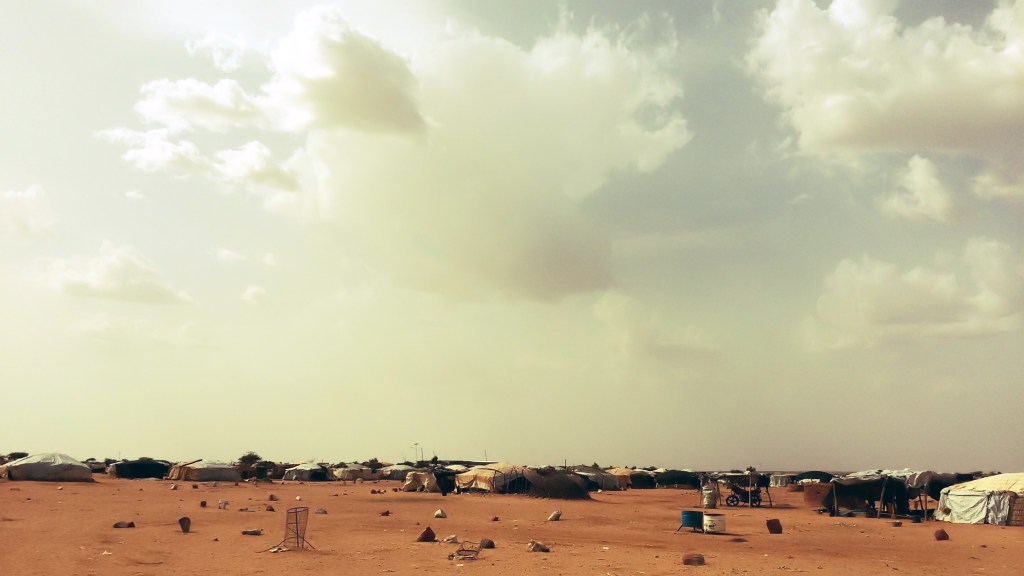
Protection is often thwarted by lack of access – access to safety, access by humanitarian actors, and access to services. According to UNHCR, as at 24 April 2020, there had been no serious outbreaks of COVID-19 in any refugee or IDP camp or settlement. However, governments had restricted access to protection, curtailed the rights of displaced people in their territories, and had limited humanitarian agencies’ access to them in some cases. Let’s look at each challenge in turn, and the pertinent law that can help our response.
Access to safety
Much has been published on the right of refugees to seek and enjoy asylum and protection from refoulement, despite states’ power to control their own borders in the light of the pandemic. Yet, article 14 of the Universal Declaration of Human Rights and article 33(1) of the Refugee Convention mean that states cannot use their power to control borders to override the rights of refugees and people seeking asylum. In addition, article 12 of the International Covenant on Civil and Political Rights provides the right to freedom of movement, including the right of individuals to leave their country of nationality. Article 12 also protects IDPs seeking safety within their own country.
Individuals caught up in conflict must be allowed to move within the country in order to obtain protection. According to Additional Protocol I to the Geneva Conventions, parties to an international conflict cannot constrain the movements of non-fighters ‘in order to attempt to shield military objectives from attacks or to shield military operations’ (art 51(7)). In an internal armed conflict, Additional Protocol II provides that ‘displacement of the civilian population shall not be ordered for reasons related to the conflict unless the security of the civilians involved or imperative military reasons so demand’ (art 17(1), emphasis added). Principles 5–9 of the Guiding Principles on Internal Displacement are about trying to prevent displacement, but Principle 15 recognises that when people are displaced, they have the right to leave their country and seek asylum.
Access by humanitarian agencies
Under its 1950 Statute, UNHCR has a unique mandate to provide international protection to refugees; its extended mandate includes conflict-driven IDPs and other persons of concern. To fulfil that role, UNHCR needs access to these populations, and governments have a duty to cooperate with UNHCR in the exercise of its functions (Refugee Convention, art 35).
During the pandemic, however, access by humanitarian actors has been restricted, particularly in conflict zones – even though they face the same COVID-19 threat. To resolve this, regard needs to be had not just to human rights law, but also to the international law of armed conflict and the international rule of law which strangely have been missing from much of the current analysis.
Under the 1949 Geneva Conventions, the International Committee of the Red Cross and ‘any other impartial humanitarian organization’ (Geneva Convention IV, art 9; Additional Protocol I, art 5; Additional Protocol II, art 18(1)) may undertake care for the sick, while parties to the conflict should permit ‘relief actions which are humanitarian and impartial in character and conducted without any adverse distinction’ (common art 3). The UN General Assembly has also affirmed that international and national rule of law applies to states and international organizations. Read with the 2018 Global Compact on Refugees, which ‘emanates from fundamental principles of humanity and international solidarity, and seeks to operationalize the principles of burden- and responsibility-sharing to better protect and assist refugees and support host countries and communities’ (para 5) and the humanitarian principles that include humanity, neutrality and impartiality, it is clear that states have obligations to ensure access so that people’s essential and medical needs can be met.
Access to services
Displaced people need to be able to obtain a variety of services, whether they are refugees or IDPs. During the pandemic, the most obvious is access to health care. However, when it comes to accessing health care, legal status matters. IDPs, by definition, are within their own country so should have access to all services as normal (unless, of course, their displacement resulted from an event that disrupted services for everyone). As for refugees, it will depend on the laws of each country, but if a country has recognised someone as a refugee then he or she will ordinarily be treated the same way as a national. However, asylum seekers may not have full access to health care. That said, they should always have access to emergency care – there should be no discrimination based on the fact that they are seeking asylum.
Refugees, asylum seekers and IDPs must be able to access the highest attainable standard of health (International Covenant on Economic, Social and Cultural Rights, art 12). If people are scared that seeking medical advice might lead to their detention and removal, then they will be more likely to conceal their presence. And if they are contagious, then this has huge risks for the virus spreading. It therefore makes sense – for everyone – to ensure that displaced people have as much access as possible to testing and health care.
Equally, they need access to information, which includes access to the internet. Access to the internet for information has been recognised as a right by the Human Rights Council, and governments must ensure there is no digital divide. As UNHCR’s guidance has made clear, that information must be understandable by refugees, asylum seekers and IDPs, possibly requiring governments and UNHCR to combine their resources.
Likewise, everyone has the right to an adequate standard of living (ICESCR, art 11). What is adequate in the time of a global pandemic that requires social distancing is clearly different from what would be acceptable at other times. It should also be noted that over 60 per cent of refugees live in urban settings, not camps, so the ability of international organisations to regulate accommodation in such circumstances is limited.
The flipside of in-state services is detention by the state. Quarantining those who may have the virus is undoubtedly permitted, but it must be provided for by law, be proportionate and last for no longer than is necessary. When it comes to those held in immigration detention, governments must ensure that people are not placed at greater risk of infection from COVID-19 – social distancing and proper sanitation must be part of any detention regime.
Conclusion
The lives of displaced people are already complicated and challenging: COVID-19 has added a further layer of complexity, if not outright threat. Within the already complex context of displacement, the pandemic presents new and pressing issues for all the various actors – but existing law can address these challenges provided that we have the knowledge and will to use it. Refugees and IDPs have to be resilient to survive displacement, but, as Jane McAdam has made clear on these pages, they are in situations of vulnerability, and when states are threatened, the ‘outsider’ is frequently left unprotected.
Before the COVID-19 crisis there was the refugee crisis: protecting forcibly displaced persons in a global pandemic
UNHCR have released a set of documents relating to protection considerations in the context of the COVID-19 response. Roughly 75% of refugees live in overcrowded camps, settlements or shelters around the world, where they lack access to adequate sanitation and are therefore extremely vulnerable to the COVID-19 pandemic.
Listen to the new RightsCast episode, in which Dr. Madeline Garlick of UNHCR and Professor Geoff Gilbert of the University of Essex discuss the work to protect the 80 million people of concern to UNHCR globally and how that work is adapting to the challenges posed by Coronavirus.
Their enlightening conversation ranges from a reminder of states’ obligation to provide access to asylum in a context of closed borders, to how refugees are contributing to health responses in their communities, and ultimately ends with a call for strengthened international cooperation in light of the Global Compact on Refugees.
The article, titled ‘Using Human Rights Law to Inform States’ Decisions to Deploy AI’ argues that states are investing heavily in artificial intelligence (AI) technology and are actively incorporating AI tools across the full spectrum of their decision-making processes. However, AI tools are currently deployed without a full understanding of their impact on individuals or society, and in the absence of effective domestic or international regulatory frameworks.
Although this haste to deploy is understandable given AI’s significant potential, it is unsatisfactory. The inappropriate deployment of AI technologies risks litigation, public backlash, and harm to human rights. In turn, this is likely to delay or frustrate beneficial AI deployments.
This essay suggests that human rights law offers a solution. It provides an organizing framework that states should draw on to guide their decisions to deploy AI (or not), and can facilitate the clear and transparent justification of those decisions.







 Essex Law Research Blog