Empowering Healthier Food Choices: A Critical Look at EU Food Information Law 

Dr Nikhil Gokani, Lecturer in Consumer Protection and Public Health Law, University of Essex

One of the main ways the EU tries to improve nutrition is to inform consumers through labelling. The Farm to Fork Strategy states that one of the EU’s objectives is “empowering consumers to make informed, healthy…food choices”. However, the current EU food information law may not be as effective in empowering consumers to make informed, healthier food choices as the EU claims. 
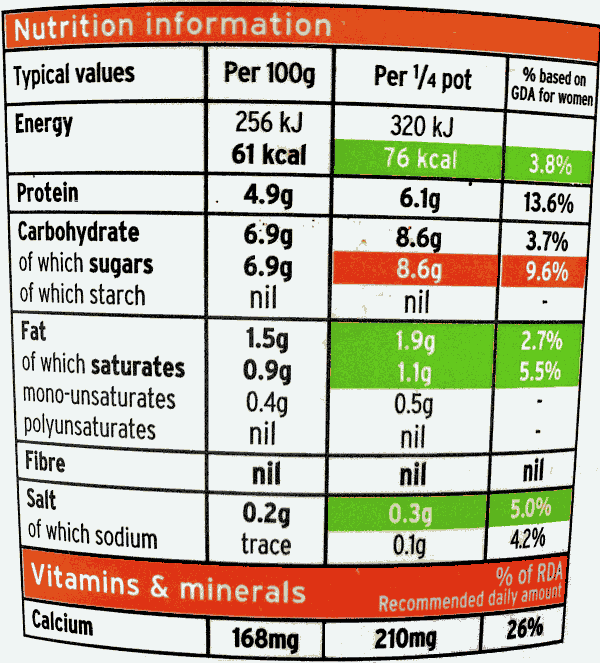
UK-style Nutrition Information label for low fat Yoghurt. Source: Wikipedia.

Well-informed consumers? 

EU food information rules – particularly those in Regulation 1169/2011 on the Provision of Food Information to Consumers (FIC Regulation) – seek to ensure that consumers are well-informed by giving food information that is sufficient, accurate, non-misleading, clear and easy to understand. However, EU food law does not achieve this aim. 

Sufficient food information 

Consumer do not actually have access to sufficient food information: 

  • Nutrient content must be declared per 100g/ml as sold. This helps consumers compare similar products because similar products may have comparable water content or portion sizes. It is less helpful for different product types. Information per portion would help but there is no requirement to provide nutrition information per portion. Indeed, there is also no requirement to provide information on recommended portion sizes, which is concerning because consumers are now eating larger portions. It is also does not give an interpretive guidance, as front-of-pack nutrition labelling would do. 
  • Ingredients are listed but the actual quantity of an ingredient is not required unless the ingredient is emphasised on the labelling. For instance, consumers may be aware that a product contains fruit, but they will not necessarily learn the quantity of fruit. Similarly, health consequences of unhealthy ingredients are not displayed. 
  • Mandatory particulars are only required on packaging and on sales websites. Purchase intentions are, however, also influence by advertising, but information is not required on advertising. 
  • There are many exemptions. Most mandatory particulars are not required for products in smaller packaging. A nutrition declaration is not required for 19 products or product categories. Most inexplicably, alcohol (which is defined as food in EU law) is exempt from nutrition or ingredients labelling. 

Accurate and non-misleading food information 

The FIC Regulation prohibits inaccurate information. However, accurate information can still be misleading. 

Mandatory labelling rules can give be misleading information:  

  • The nutrition declaration may also be expressed as a percentage of consumers’ reference intake. However, percentage of reference intake can be misleading because it is a nominal value based on the needs of an average adult female. It is, therefore, inaccurate for most of the population, including many women. 
  • Where nutrition information is given per consumption unit, this can also be misleading because a single consumption unit (such as one square of a chocolate bar) may not reflect a portion size (such as an entire chocolate bar).  

Food labelling that is given voluntarily by manufacturers can also be misleading: 

  • Nutrition and health claims provide positive information about the nutritional or health effects of a food product. They must be accurate and non-misleading as per Regulation 1924/2006 on Food Claims. However, even accurate food claims may be misleading. For instance, the claim that “iron contributes to the reduction of tiredness and fatigue” may be used without any explicit requirement to mention that this is only true if there is inadequate dietary intake. 
  • Nutrition and health claims can also be misleading. For instance, children’s cereal with significant levels of added sugars can be labelled with promotional claims such as “high in fibre” or “contains calcium”. Consumers over-generalise the positive qualities of claims, which creates a health halo, leading consumers to think that products are healthier than they are. 

The FIC Regulation requires that food information “shall not be misleading” but even this does not prohibit all misleading information: 

  • Whether or not information is misleading is assessed using the benchmark of the “average consumer”. This is a notional, rational consumer who is “reasonably well informed and reasonably observant and circumspect”. One difficulty with this is the inconsistency between the assumed behaviour of the “average consumer” and the actual behaviour of consumers. For instance, behavioural economics shows that consumers prefer stability, form habits, have limited cognitive capacity and often evaluate only the most salient information. Even if consumers do make rational choices, rational choices are not necessarily healthy choices. For example, a single parent working full-time on a low income may rationally choose to purchase food that is locally available, has high energy per unit cost and is quick to prepare, even if this might be less healthy. 

Clear and easy to understand food information 

The FIC Regulation also requires that information shall also be “clear and easy to understand” but this is also rather ineffective: 

  • “Clear” does not mean noticeable. For instance, the mandatory nutrition declaration may appear on the back of packaging, where it is less noticeable. Essential information can also be illegible as the minimum character height of mandatory particulars can be less than 0.9mm 
  • Voluntary information shall “not be displayed to the detriment of the space available for mandatory food information”. However, marketing messages on labelling – such as prominent cartoon characters or bright colours – can be distracting and detrimental to the noticeability of mandatory food information. 
  • Even the requirement that food information is “easy to understand” is not that helpful. For instance, consumers should understand the amount of fat in a product but not whether is a healthy level or not. 

Empowered consumers?  

It is clear that EU food information rules do not inform consumers well. But, if the rules on consumer food information were improved, could such improved rules empower consumers? 

To empower consumers to make healthy decisions the food environment should be conducive to consumers genuinely using health-related information. The EU is well positioned to identify features of the market that not only impede but also facilitate this. In the Consumer Agenda, the Commission stated that “empowering consumers means providing a robust framework of principles and tools” and a “robust framework ensuring their safety, information, education, rights, means of redress and enforcement”. 

Research shows the factors influencing consumer food choice empowerment. These can relate to food-internal factors (eg taste), food-external factors (eg food information and physical environments), personal-state factors (eg physiological needs and habits), cognitive factors (eg skills and attitudes) and sociocultural factors (eg culture and political elements). These broader factors are not acknowledged by the Commission, which instead focusses on safety, information and education, and rights. 

If food choice is a function of both multiple intrinsic consumer qualities and external environmental factors, giving consumers information is not on its own empowering them. Therefore, the EU’s strong emphasis on information regulation to empower consumers to make healthy decisions should be met with scepticism. 

Information regulation as one important part of empowerment 

Even if information regulation cannot, on its own, empower consumers, it is still a significant precursor to empowerment. For information to contribute to empowering consumers to make healthy food decisions, two conditions are needed. 

First, the information rules should be well-designed: 

  • For mandatory labelling, the EU needs to reflect on developing evidence-based and context-sensitive rules on whether consumer information is provided, what is provided, where and when, and how it is provided. For instance, nutrition information should be provided in a way that allows consumers to understand it, such as through mandatory front-of-pack-nutrition labelling. Even though the Commission committed to proposing harmonised front-of-pack nutrition, it continues to miss its 2022 deadline.  
  • Regulating voluntary information more effectively is also essential. Food claims should be prohibited for less healthy products, as should other food marketing designed to or having the effect of increasing the recognition, appeal or consumption of unhealthy food.  

Second, the limitations of information should be recognised:  

  • How consumers make food decisions is multifactorial and complex. In recent decades, it has become clear that unhealthy diets demand tackling the commercial determinants of health that drive poor nutrition. These industry practices are designed to maximise product sales by encouraging individuals to over-consume unhealthy food at the expense of healthy food. This includes creating new, highly palatable products, promoting them aggressively, selling them at lower prices than healthy food, packaging them in large ready-to-eat portions and selling them in widely accessible locations. 

Even though the EU’s strong emphasis on regulating consumer food information to improve diets is misplaced, this is not to suggest that information regulation is unimportant. Rather, it is to say that food information (i) in its current form does not lead to well-informed consumers and (ii) on its own does not empower consumers to make healthy food decisions. 

Better laws that effectively address labelling as well as the other determinants are essential. We continue to call on the Commission to use its power to propose new EU laws for the benefit of consumers and their health. 

This blog post is based on a more comprehensive analysis of EU food information law published in the Journal of Consumer Policy: Gokani, N., (2024). Healthier Food Choices From Consumer Information to Consumer Empowerment in EU Law. Journal of Consumer Policy. 47 (2), 271-296. It is available open access here: https://doi.org/10.1007/s10603-024-09563-0.

Alcohol labelling and warnings: how progress at the Codex Alimentarius Commission can help States overcome challenges at the World Trade Organization

By Nikhil Gokani, Lecturer in Law, Essex Law School, University of Essex

In this post, Nikhil Gokani writes about the work he is involved in on developing international standards, which can help countries navigate challenges under the rules of the World Trade Organization. Nikhil works on food and alcohol labelling regulation in the UK, EU and globally. He is chair of the Alcohol Labelling and Health Warning International Expert Group at the European Alcohol Policy Alliance (Eurocare). He is also a member of the Technical Advisory Group on Alcohol Labelling at WHO.

Alcohol-related harm and consumer protection

Consuming alcohol is a causal factor in more than 200 diseases, injuries and other health conditions. Alcohol consumption affects other people, such as family, friends, colleagues and strangers. Globally, about 3 million deaths each year result from the use of alcohol. Beyond health, there are significant social and economic burdens.

Consumers do not have sufficient knowledge about the content and effects of alcoholic beverages. Most consumers are unaware of the energy and nutrition values (such as amount of carbohydrates) and ingredients. Few consumers are aware of the health risks, such as alcohol causing at least seven cancers.

Alcohol labelling and global progress

Alcohol labelling is an important source of information for consumers. Labelling is unique in providing information at both the point of purchase and consumption. Labelling improves knowledge. It is an effective measure to help ensure consumers are well-informed and not misled. Increasing evidence also shows that health information can empower consumers to make healthier consumption decisions, including drinking less.

Unfortunately, few countries in the world require that consumers are given essential facts on labelling, such as ingredients lists and nutrition declarations. Even fewer countries require beverages to be labelled with information warning consumers about the hazards of drinking alcohol.

The most recent success was in Ireland where new rules will require alcohol packaging to display warnings that “Drinking alcohol causes liver disease”, “There is a direct link between alcohol and fatal cancers” and a pictogram showing that alcohol can harm the unborn child if drunk during pregnancy. Countries like Ireland, unfortunately, face international legal challenges, particularly under international trade law.

International trade law and international standards

International trade law can constrain the regulatory autonomy of States. Significant to alcohol labelling is the World Trade Organization (WTO) Agreement on Technical Barriers to Trade (TBT Agreement). Most significantly, Article 2.2 of the TBT Agreement states that technical regulations, including rules on alcohol labelling, shall not create “unnecessary obstacles to international trade”. Technical regulations shall not be “more trade-restrictive than necessary to fulfil a legitimate objective”. Preventing alcohol-related harm is indeed a legitimate objective. However, many States trying to introduce better alcohol labelling rules have been challenged because other States have argued that labelling rules go beyond what is more trade-restrictive than “necessary”.

When a WTO State’s rule about alcohol labelling is challenged, international standards can either help or hinder them.

On the one hand, Article 2.4 of the TBT Agreement states that where “relevant international standards exist” States “shall use them…as a basis for their technical regulations” except when this would be ineffective or inappropriate Therefore, where international standards are not aligned with public health interests, they can make it harder for States to introduce effective national rules.

On the one hand, Article 2.5 of the TBT Agreement provides a powerful defence mechanism. It states that, when a technical regulation is “in accordance with relevant international standards”, there is a rebuttable presumption that the national rule does not create an unnecessary obstacle to international trade. Simply stated, where the State complies with a relevant international standard, they have a potentially strong defence for their labelling rules. Therefore, good international standards can be very powerful to help countries defend their national labelling policies.

Codex Alimentarius

An international standard is one which is made by a recognised body and compliance is voluntary. For alcohol labelling, there is indeed an international standard: the Codex Alimentarius is a collection of standards, guidelines and codes adopted by the Codex Alimentarius Commission.

Where alcohol labelling is in compliance with relevant Codex standards, States could use this as a defence under WTO rules. This underlines the importance of having good Codex standards that support effective national rules on alcohol labelling.

Significant progress has been made at the Codex Alimentarius Commission. Alcohol labelling was discussed at four Sessions of the Codex Committee on Food Labelling (CCFL). The Report of the 46th Session of CCFL noted “there was common ground on which to proceed with the work” but little further progress has since been made in recent years. At that Session, the Committee agreed that Russia, European Union and India with assistance from WHO and Eurocare would prepare a discussion paper for consideration at the next meeting. In fact, this was the first time this Committee included an NGO in the preparation of a discussion paper, which is a testament to the global leadership by Eurocare in this field.  Unfortunately, however, no discussion paper was submitted by Russia. Therefore, WHO and Eurocare each submitted their own discussion paper to keep the matter moving forward. The WHO representative spoke objectively and convincingly at the 47th meeting of CCFL. These efforts led to alcohol labelling remaining on the Codex agenda – something which several States, no doubt under the influence of the powerful alcohol industry, had resisted.

The Codex Alimentarius Commission has now started a new consultation process. It issued a Circular Letter which asks State members and Observers to comment on how work on developing alcohol standards should proceed.

For this consultation process to work best for public health and consumer protection, we need everyone to contact their governments (emails here) to demand effective progress at Codex. Please join us in these efforts!

Navigating freezones in the influencerdom: a shadowlands guide

Photo by Ronald Cuyan on Unsplash

By Dr. Alexandros Antoniou, Essex Law School

Influencer marketing has emerged as a formidable force in the realm of advertising, wielding substantial power to sway consumer behaviour and shape brand perceptions. Leveraging the credibility and reach of social media personalities, brands can effectively tap into niche audiences and foster authentic connections.

Despite its undeniable impact, there remains a notable lack of comprehensive research and regulatory oversight surrounding influencer marketing practices. As the landscape continues to evolve rapidly, it becomes increasingly imperative for regulators to delve deeper into this field in order to safeguard followers’ interests and maintain the integrity of digital advertising ecosystems in which influencers operate.

My new research looks at the rapidly evolving landscape of influencer marketing and its profound effects on the dynamics between social media users, advertisers, and brands. In my new article, I demonstrate that influencers have transcended the dichotomy of self-publishers vs traditional advertisers, shaping distinct career trajectories.

With the burgeoning influencer industry in mind, I critically examine the regulatory landscape, particularly the responsiveness of the Advertising Standards Authority (ASA) and the Competition and Markets Authority (CMA) to influencers’ professionalisation.

Despite the industry’s growth, regulatory gaps persist, leaving consumers vulnerable to lightly-overseen influencers. I caution that regulators rely on antiquated tools, allowing newcomers in the industry to fly beneath their radar.

For instance, the established advertising rule to make clear that ads are ads predominantly applies to those influencers who have forged brand partnerships. However, I argue that early career influencers who may not monetise their content, still wield significant influence. They have a remarkable knack of cultivating genuine connections that bestow hidden promotional content with an unmatched aura of trustworthiness.

I conclude that, from a regulatory standpoint, we are not seeing influencers’ increasing professionalisation. I advocate for a transformative shift in regulatory perspective to encompass influencers throughout their career journey, challenging the prevailing notion that only high-reach influencers warrant scrutiny.

Therefore, I emphasise the need for a recalibrated regulatory threshold that accounts for emerging influencers, endorsing a more comprehensive definition and a holistic approach that recognises the multifaceted nature of IM practices.

My article, published in the Journal of Computer, Media and Telecommunications Law (Vol. 29, Issue 1, pp. 8-21) urges regulators to adapt to the nuanced and evolving nature of influencer marketing to ensure a more robust oversight and integrity in this emerging profession.

Front-of-Pack Nutrition Labelling: Time for the EU to Adopt a Harmonized Scheme 

By Dr Nikhil Gokani (Essex Law School) and Prof Amandine Garde (School of Law and Social Justice, University of Liverpool)

Nutri-Score label as published by Santé Publique France

In its Farm to Fork Strategy, published nearly 3 years ago in May 2020, the European Commission committed to ‘propose harmonised mandatory front-of-pack nutrition labelling’ (‘FoPNL’) to ‘empower consumers to make informed, healthy and sustainable food choices’ by the fourth quarter of 2022. This commitment was repeated in Europe’s Beating Cancer Plan in February 2021. The deadline has now passed and the promised proposals do not seem forthcoming. This is all the more disappointing considering there is strong support for the implementation of an EU-wide harmonized FoPNL scheme, as demonstrated by the results of the EU consultation on ‘Food labelling—revision of rules on information provided to consumers’ published in December 2021.

Such support is not surprising considering the significant advantages that the adoption of a harmonised FoPNL scheme has for consumers, traders, Member States and the EU alike.

  • From the perspective of consumers, an effectively designed FoPNL scheme helps inform them of the nutritional composition of food. Informing consumers lies at the heart of the EU’s consumer protection strategies and reflects its long-held view that regulating food labelling empowers consumers to make healthier choices whilst promoting the objectives of market integration. At present, the EU only mandates a small table of nutrition information on the back of food packaging. This is often hard to see and difficult to understand, whereas effectively designed FoPNL can provide easy-to-see and easy-to-understand information on the front of food packaging thus supporting healthier food choices.
  • From the perspective of traders, harmonized FoPNL will create a level playing field by reducing regulatory fragmentation, which will also increase legal certainty and lower labelling costs. There are currently 7 national FoPNL schemes recommended across 15 EU Member States. Further industry-led schemes are used, although they have not been officially endorsed by any Member State. While some manufacturers have adopted FoPNL, many have not, and others are using multiple different schemes.
  • From the perspective of Member States, a mandatory, EU-wide FoPNL scheme will contribute to improving diets and health outcomes. Current EU rules prohibit the adoption of FoPNL schemes which are interpretive, and do not facilitate the adoption of FoPNL schemes which are easy to use. They also prevent Member States from making FoPNL mandatory.
  • From the perspective of the EU itself, a harmonized FoPNL scheme will promote the proper functioning of the internal market in line with the EU’s mandate to ensure a high level of health and consumer protection in all its policies. Moreover, it will facilitate the compliance of all its Member States with the commitments that they have made at international level to promote healthier food environments.

The choice of any single scheme must be guided by evidence. The Commission’s Joint Research Centre reviews, published in 2020 and 2022, identify what makes FoPNL effective:

  • colour-coded labels draw consumer attention through increased salience, are preferred by consumers, are associated with increased understanding and encourage healthier food purchases;
  • simple labels require less attention to process and are preferred and more easily understood by consumers; and
  • consumers prefer and better understand consistent and simple reference quantities.

In its Inception Impact Assessment of December 2020, the Commission put forward four types of labels as contenders for a harmonized, mandatory EU-wide scheme: graded indicators (e.g. Nutri-Score); endorsement logos (e.g. Keyhole); colour-coded (e.g. Multiple Traffic Lights); and numerical (e.g. NutrInform). It is clear that of the four schemes considered in the Inception Impact Assessment, Nutri-Score is the only one meeting the criteria above, and its effectiveness is strongly established. Not only does it attract consumers’ attention, it is favourably perceived and well understood. It also has a positive impact on the nutritional quality of purchases. Additionally, the nutrient profiling model underpinning Nutri-Score has been extensively validated and shown to be associated with improved health outcomes. Even if no scheme will ever be described as ‘perfect’ by all stakeholders, its developed evidence base and adoption by a growing number of Member States, makes Nutri-Score the only viable option for the timely implementation of a mandatory, harmonised FoPNL scheme in the EU.

Growing rates of obesity and other diet-related diseases increase the urgency for the EU to act. We, therefore, call on the Commission to propose legislation requiring food to be labelled with Nutri-Score on a mandatory basis across the EU, as it has committed to do.


This post was originally published as an invited editorial in the European Journal of Public Health in June 2023. It is available here.

Nikhil Gokani is an expert in the regulation of front-of-pack nutrition labelling in the EU and globally. Please click here for his profile and contact details.

DCMS Report on Influencer Culture: Regulatory Gaps and Government Response to Calls for Reforms

Photo by Karsten Winegeart on Unsplash

By Dr. Alexandros Antoniou, Lecturer in Media Law, University of Essex

On 9 May 2022, the House of Commons Digital, Culture, Media and Sport Committee (which is responsible for scrutinising the work of the Department for Digital, Culture, Media and Sport and its associated public bodies, including the BBC) published its report on influencer culture, following the conclusion of its inquiry into influencers’ power on social media. Whilst acknowledging the benefits and the significant returns that influencer culture brings to the UK economy, the Committee emphasised that the industry needs to be given more serious consideration by the government. In the words of the DCMS Committee Chair Julian Knight MP, “as is so often the case where social media is involved, if you dig below the shiny surface of what you see on screen you will discover an altogether murkier world where both the influencers and their followers are at risk of exploitation and harm online”.

Devising a formal definition of the term ‘influencer’ is challenging, yet necessary in effectively enforcing rules and regulations. For the purposes of its report, the DCMS committee defined an influencer as “an individual content creator who builds trusting relationships with audiences and creates both commercial and non-commercial social media content across topics and genres” (para. no: 3). Influencer culture was taken to mean ‘the social phenomenon of individual internet users developing an online community over which they exert commercial and non-commercial influence’ (para. no: 1).

On the whole, the Committee found low rates of compliance with advertising regulation and concluded that employment protection has failed to keep up with the growth of online influencer culture, leaving those working in the industry unsupported and child influencers at risk of exploitation.

Four broad key issues pertaining to influencer culture emerged from the Committee’s inquiry, in particular.

Behind the camera

Despite the industry’s popularity, earning a living from social media influencing appears challenging. The report takes a look behind the scenes and goes beyond the superficial glamour and public perception, often involving paid-for holidays and free gifts. The report highlights that influencers face a range of challenges including hacking, impersonation, algorithmic unpredictability, mental health issues, online abuse, trolling and harassment. This appeared to be a bigger problem for women (compared to men) which is exacerbated by the “lack of developed support from the surrounding ecosystem of platforms, regulators, talent agencies and brands” (para. no: 15).

Transparency around pay standards and practice

Despite social media influencing being a rapidly expanding subsection of the UK’s creative industry, making a living in it remains difficult. Only few influencers appear to take the lion’s share of well-paid work, but many others struggle to make a living. Similar to other professions in the creative sector, many influencers classify as self-employed, which may mean that they experience uneven revenue streams and lack of employment protections (e.g., maternity or sick leave).

Moreover, the Committee points out the lack of payment transparency which has resulted in pay gaps between different demographic groups, affecting particularly influencers from ethic minority groups. Despite the fact that social media platforms understand the value that influencers bring to their business model, they do not always “appropriately and consistently” (para. no: 58) compensate influencers for the work that goes into producing content that attracts users.

The state of influencer compliance and gaps in advertising regulation

The scale of the sector and the volume of content generated across multiple platforms has outpaced the capabilities of UK advertising regulation. According to the UK’s Competition and Markets Authority, influencer compliance rates with UK advertising regulations remain “unacceptably low” (para. no: 74). Earlier in March 2021, the UK’s Advertising Standards Authority had reached similar conclusions in its research on influencer ad disclosure. The advertising watchdog’s report revealed a “disappointing overall rate of compliance” with its rules requiring ads on social media to be clearly signposted as such (see IRIS 2021-5/7 for more).

Despite platform-specific guidance on ad labelling and training for influencers, brands and agencies, the messaging around the rules on advertising transparency still lacks clarity and disclosure requirements are practiced with a high degree of variation. New entrants to the influencer marketplace, who may not receive adequate support, are still unaware of their obligations under the advertising rules.

Children as viewers and children as influencers

Influencer content on social media is becoming increasingly popular with children, but the close bond children develop with online figures leaves them at risk of exploitation. Evidence suggests that children are more vulnerable to native advertising as they find it challenging to distinguish and identify. Current advertising regulation does not appropriately consider their developing digital literacy and sufficiently address the need for enhanced advertising disclosure standards that meets children’s needs.

Furthermore, influencers may be financially incentivised to share “extreme content” (para. no: 104) that includes misinformation and disinformation which may affect children and other vulnerable groups susceptible to harms arising from this type of content. Influencer promotion of unattainable lifestyles and unrealistic beauty ideals was flagged as a particular issue, especially because its consistent message (i.e., ‘what you look like matters’) and the damaging pressure it generates are likely to contribute to mental health issues such as depression, anxiety, body dysmorphia and eating disorders. Currently, there is not enough regulation to protect children from this.

Concerns are expressed over the lack of protection for children participating in this new industry as successful influencers themselves (e.g., through gaming channels) and the impact this may have on their consent and privacy. Child influencers do not enjoy the same standard of protection around pay and conditions of work as traditional child performers in the entertainment industry. This is because child performance regulations do not currently apply to user-generated content.

Committee recommendations

In response to the issues identified earlier, the Committee makes a range of recommendations that call on the government to strengthen both employment law and advertising regulation. Specifically, the Committee recommends that the government: (a) conducts an industry review into the influencer ecosystem to address knowledge gaps; (b) develops a code of conduct for the industry as an example of best practice for deals between influencers and brands or talent agencies; (c) gives the ASA statutory powers to the enforce advertising standards under its Code of Non-broadcast Advertising and Direct & Promotional Marketing; (d) updates the same Code to enhance the disclosure requirements for ads targeted to audiences composed predominantly of children; and (e) addresses gaps in UK labour legislation that leave child influencers vulnerable to exploitation (including working conditions and protections for earnings).

Image via Shutterstock

The government response: no indication of a change in mood

On 23 September 2022, the House of Commons Digital, Culture, Media and Sport (DCMS) Committee, which is responsible for scrutinising the work of the Department for Digital, Culture, Media and Sport and its associated public bodies (including the BBC), published the government response to its report Influencer Culture: Lights, camera, inaction? (previously reported on IRIS 2022-7/18).

The Committee had found low rates of compliance with advertising regulation and concluded that employment protection had failed to keep up with the growth of online influencer culture, leaving those working in the industry unsupported and child influencers at risk of exploitation. It made a range of recommendations that called on the government to strengthen both employment law and advertising regulation.

The Advertising Standards Authority (ASA), which monitors advertisements across the UK (including influencer marketing) for compliance with advertising rules, as well as the Competition and Markets Authority (CMA), which enforces competition and consumer laws and has powers to conduct investigations in suspected violations of these laws in the market, submitted separate responses to the Committee’s recommendations earlier in July 2022.

Recommendations concerning the ASA and the CMA

The government welcomed the Committee’s recommendations on strengthening the ASA’s regulatory tools (e.g., to be given statutory powers to enforce its rules) but pointed to the work currently undertaken as part of its Online Advertising Programme, which aims to improve transparency and accountability across the online advertising supply chain. The government also agreed that the CMA should have more powers to enforce consumer protection law and stated that it will bring forward its Digital Markets, Consumer and Competition Bill (announced in the 2022 Queen’s Speech) to provide for regulatory changes (including giving CMA the ability to decide for itself when consumer law has been broken and to impose monetary penalties when breaches are established).

Influencer careers and influencer harassment

The government agreed with the Committee that pursuing a career as an influencer often came with challenges, including a worrying rise in the amount of online abuse, harassment and intimidation directed towards them. Reference was made to Online Safety Bill (OSB), which will require technology companies to improve their users’ safety and take action against online abuse and threats on their services. The Bill places, in particular, a statutory duty on in-scope services to operate complaints procedures that provide for “appropriate” action to be taken by the provider in response to relevant complaints (clauses 18(2b) and 28(2b)). Services will be thus expected to consider the nuances of different types of harm and the appropriateness of their action in response to the complaints they receive. However, the progress of the Bill towards becoming law has been (at the time of writing) paused, with some of its most controversial elements being subject to government review.

Influencer code of conduct

In its response, the government expressed strong support for the Incorporated Society of British Advertisers’ (ISBA) Influencer Code of Conduct, noting that the ASA had already published guidance for influencers which existed alongside the Code of Conduct for the Influencer Marketing Trade Body. The government agreed with the Committee’s proposal to develop a code of conduct which would complement ISBA’s existing work by promoting good practice in the coordination between influencers, brands as well as talent agencies. It is unclear though how the different codes of conduct and guidelines will work together effectively.

Media literacy and children influencers

Children are often unable to differentiate undisclosed advertising from other types of content they access on social media. The Committee had found in its report that both children and parents were not being adequately supported in developing media literacy skills to make informed choices online. Although the government appreciated the risk of children being exploited as consumers of influencer content, it referred to its ongoing work on the Online Media Literacy Strategy, which is designed to equip users with the knowledge and skills required to become more discerning consumers of information. The OSB is also intended to strengthen Ofcom’s (the UK’s communication regulator) media literacy functions by including media literacy within the new transparency reporting and information-gathering powers.

The government also recognised the regulatory gap in relation to safeguarding children acting as “brand ambassadors” themselves. Under existing law (i.e., section 37 of the Children and Young Persons Act 1963), a licence must be obtained before a child can legally participate in certain types of performance and activities in Great Britain (including for example any live broadcast performance or any performance recorded to be used in a broadcast or a film intended for public exhibition). However, this protection does not extend to user-generated content, e.g., where young people or a family record themselves and share it on social media. The government pointed out that the Department for Education is open to exploring legislative options that may provide more effective protection to children but there was no express commitment to this.

Overall, the government welcomed the Committee’s comprehensive inquiry into influencer culture and recognised that it shed much-needed light on the influencer ecosystem and its impact on both traditional and digital media. However, the government’s response provides little indication of what concrete frontline actions will be taken.


This post replicates articles published earlier on the IRIS Merlin legal database. The original pieces can be viewed in IRIS 2022-7:1/18 and IRIS 2022-10:1/17.

Addressing the Implications of Sport Sponsorship by Food Businesses

Image sourced from Flickr

By Dr. Nikhil Gokani, Lecturer in Law, University of Essex

It is estimated that there are 1.9 billion adults and 379 million children living with overweight or obesity globally. This includes about 63% of the UK adult population and a third of children in England aged 2–15 years.

Obesity imposes a substantial burden on health services, societies and sustainable development. It is a significant risk factor for non-communicable diseases such as cardiovascular diseases, musculoskeletal disorders and some cancers.

Obesity in childhood is associated with a higher chance of obesity, premature death and disability in adulthood. Children with obesity also experience increased breathing difficulties, risk of fractures, hypertension, dental caries and insulin resistance with reduced levels of mental wellbeing. Moreover, there are large socio-economic, gender and ethnic inequalities in the prevalence of obesity.

We live in an obesogenic environment that encourages weight gain. A population-wide energy imbalance has resulted from systemic changes in the type, availability, affordability and marketing of food in recent decades together with a decline in physical activity. Increased energy intake due to greater consumption of energy-dense food or non-alcoholic beverages high in fat, saturated fat, sugar or salt (‘HFSS food’) is the main explanation for population weight gain.

The principal drivers underlying this consumption are the commercial determinants of health – defined as the strategies and approaches used by the private sector to promote products and choices that are detrimental to health – in the food chain, particularly the marketing of HFSS food. With children in particular, a substantial body of evidence shows that HFSS food advertising via broadcast and digital media negatively affects children’s food attitudes, preferences and consumption.

Given the core involvement of business actors, regulating their activities is an important part of a multi-faceted approach to reducing obesity. Nevertheless, regulation has been fiercely contested by these powerful economic operators. In the UK, some rules do regulate certain forms of HFSS food marketing (such as television and online advertising to children) and the government is considering strengthening these.

However, although sports sponsorship by HFSS food businesses (defined as a business preparing, cooking, storing, handling, distributing, supplying or selling food and whose products are primarily HFSS) is increasingly recognised as linked to HFSS food consumption, it has received little attention. This is all the more concerning in light of the recent proliferation of HFSS food businesses and HFSS products partnering with professional and amateur sports organisations. Prominent examples in the UK include McDonald’s sponsoring all national Football Associations, Coca-Cola sponsoring the Premier League, and KP Snacks sponsoring England and Wales Cricket Board’s new ‘The Hundred’ competition.

As these examples illustrate, sponsorship relationships between sporting organisations and food brands largely promote the consumption of HFSS products and associate these with elite sport. This close interrelationship between HFSS food sponsorship and sports undermines official nutrition advice and raises important questions regarding the impact on preferences and purchase requests of HFSS food, dietary behaviour and public health.

Against this background, in May 2021, a workshop was hosted to focus on the relationship between health, nutrition and the sponsorship of sport and related marketing by HFSS food businesses and to consider the implications for obesity prevention strategies in the UK and beyond.

This workshop brought together a new and diverse group of experts and participants who are engaged with the issue of sports sponsorship and dietary health. Its aims included: to stimulate collaboration; identify research gaps through an interdisciplinary lens; generate a novel research agenda; and raise the awareness and profile of the issue.

The workshop was organised by principal investigator Dr. Emma Boyland (University of Liverpool) and co-principal investigator Dr. Nikhil Gokani (University of Essex) with Professor Amandine Garde (University of Liverpool) and Dr. Matthew Philpott (Healthy Stadia). The organisers are grateful for funding from the UK Nutrition Research Partnership.

In an article published this month, “UK Nutrition Research Partnership ‘Hot Topic’ workshop report: A ‘game changer’ for dietary health – addressing the implications of sport sponsorship by food businesses through an innovative interdisciplinary collaboration” by Nikhil Gokani et al., in the Nutrition Bulletin, the organisers summarise the structure, participants and discussions from the workshop; the existing evidence base on sports sponsorship by HFSS food businesses; and the future research and policy opportunities they plan to pursue.

Front-of-Pack Nutrition Labelling: Experts Come Together to Discuss National, Regional and Global Challenges for Regulation

Photo by Penn State on Flickr

In this post, Dr Nikhil Gokani (School of Law, University of Essex), an expert on regulating food labelling, writes about a major conference he organised with partner institutions.

On September 9 and 10, 2021, the Health and Medical Humanities Hub at the University of Essex, the Law & Non-Communicable Diseases Unit at the University of Liverpool and the Global Center for Legal Innovation on Food Environments of the O’Neill Institute for National and Global Health Law at Georgetown University jointly held a major online conference on the national, regional, and global regulatory implications of front-of-pack nutrition labelling (FoPNL).

Unhealthy diets are a leading cause of death and a significant factor in the development of non-communicable diseases (NCDs) as they are associated with an increased risk of overweight, obesity, and diet-related NCDs such as diabetes, cardiovascular diseases and cancers. To tackle the growing burden of poor nutrition, the World Health Organization (WHO) recommends that states implement FoPNL as part of a comprehensive approach to healthy diets. FoPNL displays simplified, at-a-glance graphical information on the front of food and beverage packaging. It helps consumers understand the nutritional quality of foods and beverages easily and more quickly, and can lead to healthier purchasing decisions, especially with members of lower socioeconomic groups. Even though the evidence base is still developing on how specific forms of FoPNL can best meet consumer needs, FoPNL is most effective when it is interpretive and makes an evaluative assessment about the nutrition quality of food and beverage products.

Many states have now introduced, or are considering introducing, a variety of voluntary or mandatory FoPNL schemes within their respective jurisdictions. These schemes differ in objectives and, consequentially, in design. In particular, the level of public health protection offered by these different schemes varies, not least as the ease of understanding, and the level of interpretation required by consumers to understand the nutrition composition of the food is different for each scheme. In light of the proliferation of national schemes, discussions are being held at the regional and global levels on the harmonization of FoPNL. At the same time, these developments face strong opposition from powerful food and beverage businesses.

In this context, the conference brought together global actors. It gathered over 250 participants from 39 countries, from Antigua to Vietnam, and provided a discussion forum where academics from various disciplines, international civil society organizations, and government and public health agency representatives discussed a range of overarching issues relevant to the regulation of FoPNL. The conference was organized into six panels.

Panel 1 began the event with a discussion on the importance for states of adopting FoPNL, and in particular interpretive FoPNL. Panellists discussed the rationale for FoPNL and the scientific evidence supporting this intervention, including the role of FoPNL in building healthier food environments and reducing health inequities, as well as the support it has received from the international community. Panellists explored states’ obligation under international human rights law to uphold the right to the enjoyment of the highest attainable standard of health and other related human rights, such as the rights to adequate food, information, and the benefits of scientific progress, through the implementation of FoPNL.

Panel 2 focused on national experiences. In particular, panellists discussed the development, adoption and implementation of legislation mandating warning signs on certain foods and beverages in the Americas – with case studies form Mexico and Uruguay – and government-endorsed schemes in Europe – not least the Nutri-Score which originated in France and UK multiple traffic light labelling. This panel highlighted the importance of gathering evidence and galvanizing public support, in addition to raising key questions concerning the different objectives that different FoPNL schemes pursue, as well as the nutrient profiling models underpinning them.

Panel 3 concluded the first day by looking at how national schemes had been – and could be – contested at the World Trade Organization (WTO) Technical Barriers to Trade (TBT) Committee and, were a formal legal dispute to arise before the WTO Dispute Settlement Body or an international arbitration tribunal, what arguments could be made and how they could be addressed. Ultimately, all panellists agreed that the question was not so much the lawfulness of FoPNL but its implementation. Under this framework, it is indeed possible for states to adopt effective FoPNL schemes, but they will be more equipped to do so well if they are mindful of their obligations under international trade and investment law and if they anticipate potential legal disputes (even if these disputes never do arise). In fact, linking the discussions of Panels 1 and 3 together, while states have some degree of discretion as to how to regulate FoPNL, it is clear that they have an obligation to do so under international human rights law.

One the second day, after discussing national experiences, the focus moved to regional harmonization and global standards. Panel 4 focused on the experience of the European Union (EU) and the anticipated developments following the European Commission’s repeated announcements that it would publish a proposal for an EU-wide FoPNL scheme in 2022. The discussions highlighted the limits of EU law as it currently stands, preventing Member States from mandating FoPNL at national level. After hearing the plans of the European Commission, panellists analysed the imperative for the EU to adopt a regulatory framework introducing an EU-wide, mandatory, interpretive FoPNL scheme, or, at the very least, a framework that does not prevent Member States from adopting mandatory FoPNL at the national level in the absence of enough political will to act effectively at regional level.

Panel 5 focused on the experience in Latin America and the Caribbean, bearing in mind that an increasing number of countries have already regulated or are in the process of regulating FoPNL, and that regional bodies, such as MERCOSUR and CARICOM, are reflecting on common rules. In the case of South America, panellists stressed that trade-related arguments were often used to halt or delay national FoPNL measures, though MERCOSUR empowers countries to take unilateral measures to protect public health. In the case of the Caribbean, panellists emphasized the flaws in CARICOM’s process, including due process concerns related to the food and beverage industry’s disproportionate influence in policy decisions. They also addressed the use of inaccurate trade-related arguments as a barrier for regional progress on FoPNL. In turn, in North America, panellists echoed the above concerns on the use of trade agreements as barriers to achieving health-related goals, inspiring contradictions in policy decisions as a result of political swings that endanger the sustainability of public health policies.

Finally, panellists expanded the discussions from the regional to the global plane. Panel 6 concluded the proceedings with a discussion on the role that Codex Alimentarius standards could play in promoting or hindering effective FoPNL schemes. In particular, panellists discussed what the international community could do to promote better consumer information through the adoption of common standards on FoPNL, not only at a regional but also at a global level. They also reflected on how to ensure that these standards were an effective tool of public health protection, rather than subservient to the food and beverage industry’s interests, and more specifically how the voice of public health could be better heard in this joint commission of the WHO and the UN Food and Agriculture Organization.

Having discussed the national, regional, and global regulatory implications of FoPNL, with a particular focus on the policy debates in the Americas and Europe, this conference made clear that comparisons between different FoPNL schemes should indeed be drawn with caution, paying particular attention to the objectives each of these schemes set out to achieve. The devil lies in the detail, and the law and public health communities need to tread cautiously if they are to resist the opposition from powerful food and beverage industry actors and ensure that FoPNL schemes effectively serve the interest of consumers and the protection of public health.

European Commission’s Proposals to Revise Labelling Rules for Alcoholic Beverages

Image courtesy pxfuel

Dr Nikhil Gokani, Lecturer in Law, University of Essex, writes on the European Commission’s Roadmap on the ‘Proposal for a revision of Regulation (EU) No 1169/2011 on the provision of food information to consumers, for what concerns labelling rules on alcoholic beverages’.

This post is based on the response written by Dr Nikhil Gokani (Vice President, EUPHA-LAW) and Professor Amandine Garde (President, EUPHA-LAW; Law & NCD Unit, University of Liverpool) on behalf of the European Public Health Association.

In 2011, the European Union adopted Regulation (EU) No 1169/2011 on the provision of food information to consumers. Article 9 of this Regulation requires food products to be labelled with a nutrition declaration and an ingredients list. However, Article 16 of this Regulation specifically excludes alcoholic beverages from these requirements.

In 2017, the European Commission published its Report regarding the mandatory labelling of the list of ingredients and the nutrition declaration of alcoholic beverages which concluded, as public health and consumer protection organisations had been stating for many years, that no objective grounds justify the absence of information to consumers on ingredients and nutrition information on alcoholic beverages.

On 24th June 2021, the Commission released a Roadmap and Initial Impact Assessment on proposals to remedy the illogical and harmful labelling exemptions for alcohol. The Initial Impact Assessment identified three options. Option 0 would maintain the status quo. Option 1 would require mandatory nutrition and ingredient information for alcoholic beverages to be given off-label (for instance, on websites or on apps). Option 2 would require mandatory nutrition and ingredient labelling to be given directly on the label. Only option 2 should move forward for the following reasons.

Alcohol consumption is a significant public health concern

Alcohol consumption is associated not only with non-communicable diseases but also injuries and infectious disease. There is a direct relationship between higher levels of alcohol consumption and developing some cancers, liver diseases and cardiovascular diseases; and the level and pattern of drinking has a relationship with ischaemic heart and cerebrovascular diseases. Alcohol is a psychoactive substance which has dependence-producing properties, and the excessive consumption of alcohol ranks among the top risk factors for disease, disability and mortality. It is a causal factor in more than 200 disease and injury conditions.

Current ingredient and nutrition labelling on alcohol does not inform consumers

Alcohol commonly contains a variety of ingredients, such as wheat, barley, corn, rye, grapes, hops, histamine, sulphites and brewer’s yeast. One gram of alcohol contains seven calories, and together with sugar, heavy intake can significantly contribute to overweight and obesity.

There is increasing evidence that there is a deficit in consumer knowledge and understanding of the nutritional content and ingredients of alcoholic beverages as well as the consequences of alcohol consumption. Across the EU, consumers are interested in alcohol labelling.

In its 2006 Alcohol Strategy, the EU specifically aimed to ‘provide information to consumers so that they can make informed choices’ and to inform consumers about ‘the impact of harmful and hazardous alcohol consumption on health’. This is in line with the long held view the EU that well-informed consumers are empowered to make healthy purchasing and consumption decisions. As the Commission has plainly acknowledged in its Report regarding the mandatory labelling of the list of ingredients and the nutrition declaration of alcoholic beverages in 2017, there are no objective reasons for the exemptions.

Ingredient and nutrition labelling would promote high level of consumer and public health protection and promote the functioning of the internal market

It is extremely concerning indeed that alcoholic beverages containing more than 1.2% by volume of alcohol are exempt from the requirement of displaying a nutrition declaration and ingredients list. Once again, nothing justifies such an exemption on such harmful commodities.

Even when a nutrition declaration is provided on a voluntary basis, it can be limited to an energy-only declaration. This is insufficient. Effectively implemented nutrition and ingredients labelling would inform consumers about the content of alcoholic beverages and contribute to empowering consumers to make healthier alcohol purchasing and consumption decisions. This is particularly important bearing in mind the evidence referred to above regarding, firstly, the deficit of consumer information on alcoholic beverages and the appetite for such information, and secondly, the relationship between alcohol consumption and a wide range of diseases.

Moreover, several Members State have proposed or introduced measures acting on the derogation for ingredients labelling in Regulation (EU) No 1169/2011 on the provision of food information to consumers, as well as measures on nutrition labelling. Bearing in mind that alcoholic beverages are traded extensively within the internal market, there is a compelling rationale for the adoption of an EU-wide harmonised approach to the regulation of nutrition and ingredients labelling of alcoholic beverages to reduce market fragmentation.

On-label information is far more useful to consumers

It is well-established that, to be able to effectively inform consumers, information should be easily available, salient and well-perceived by consumers. On-label information is more readily accessible for consumers, particularly within in-store environments. Bearing in mind that consumers do not always search for nutrition and ingredient labelling, on-label information is more likely to be seen and read, which is particularly true for members of lower socioeconomic groups. This has been reflected in EU food law since the EU began regulating food information in the late 1970s. There is no reason to treat alcoholic beverages more leniently than other foods.

Option 2 of the Initial Impact Assessment is the only evidence-based option to meet the EU’s objectives of promoting a high level of consumer protection and public health.

The EU should also introduce other effective labelling, including front-of-pack labelling, to help empower consumers

The envisaged measures of back-of-pack nutrition labelling and ingredients labelling are just two forms of labelling to help inform consumers. To empower consumers to make healthier decisions, the EU should also develop proposals for mandatory front-of-pack labelling, mandatory serving size recommendations and per portion nutrition information, guidance on moderate levels of drinking and warnings on the health effects of consuming alcohol.[13] The Commission’s intention in the EU’s Beating Cancer Plan to make proposals on health warnings on alcohol labels by the end 2023 are supported. Not only does the WHO European Action Plan to Reduce the Harmful Use of Alcohol 2012–2020 call for ‘labelling similar to that used for foodstuffs, including alcohol and calorie content’ but also health warning. Moreover, empowerment by information can only be successful if voluntary forms of information and marketing are also regulated.

Over the years, the EU’s response to alcohol related harms has been substandard and it is high time that it rectified this failure through the adoption of evidence-based measures intended to limit the appeal, the acceptability and the affordability of alcoholic beverages. It is only then that it can claim that it has indeed complied with the obligation it derives from the EU Treaties and the EU Charter of Fundamental Rights and Freedoms to ensure a high level of public health protection in the development and implementation of all its policies, including its internal market and consumer protection policies.

Front-of-pack nutrition labelling in the EU: proposals for a mandatory EU-wide label

Dr Nikhil Gokani, Lecturer in Law, University of Essex.

The European Commission published its Farm-to-Fork Strategy on 20 May 2020. In this, the Commission declared that to ‘empower consumers to make informed, healthy and sustainable food choices’, the Commission will propose harmonised mandatory front-of-pack nutrition labelling (FoPNL) by the fourth quarter of 2022.

As part of these plans, the Commission published an inception impact assessment and published two initiative Roadmaps: “Food labelling – revision of rules on information provided to consumers” and “Facilitating healthier food choices – establishing nutrient profiles”. Feedback on these opened on 23rd December 2020 and will close on 3rd February 2021.

In this post, Dr Nikhil Gokani, whose research explores the regulation of FoPNL, which was also the topic of his PhD, briefly sets out his views on how the EU should proceed with the regulation of FoPNL. To further develop the understanding of the regulatory issues involved, and bearing in mind the Commission’s target for legislative proposals, Dr Gokani and Prof Amandine Garde (Law & Non-Communicable Diseases Unit, University of Liverpool) are organising a conference on FoPNL – to explore the national, EU and international regulatory issues – which is provisionally scheduled for September 2021.

Back-of-pack nutrition labelling (BoPNL) does not sufficiently contribute to informing consumers, promoting healthier diets or tackling the rise in overweight, obesity and diet-related non-communicable diseases.

Evidence is clear that consumers find BoPNL confusing. They do not perceive nor understand BoPNL well, and they are unable to use this type of labelling effectively to help them make healthier food purchasing and consumption decisions. This is particularly so for consumers of lower socioeconomic groups.

Interpretive front-of-pack nutrition labelling (FoPNL) is an evidence-based intervention to inform consumers, help them make healthier food purchasing and consumption decisions, whilst encouraging manufacturers to reformulate products to make them healthier.

Effectively presented FoPNL is better perceived relative to BoPNL. Surveys have shown high levels of use, and research on various FoPNL schemes has shown improved trolley outcomes. FoPNL has a statistically significant effect in steering consumers’ choices towards healthier products, whilst encouraging product reformulation.

Interpretive FoPNL has consistently been shown to be most effective in improving health-related understanding, reducing processing time and improving purchasing intentions, with simpler schemes generally being better understood.

The EU should introduce a mandatory, interpretive EU-wide FoPNL scheme.

EU law, as it stands, precludes Member States from adopting mandatory FoPNL at national level (Regulation No 1169/2011 on food information to consumers and Regulation No 1924/2006 on health and nutrition claims) and does not effectively promote the voluntary adoption of evidence-based FoPNL schemes.

To be most effective, FoPNL should be mandatory for all food products. Any exceptions should be limited and only permitted where there are clear evidence-based justifications. The introduction of a mandatory pan-EU FoPNL scheme in the EU would help ensure a high level of consumer protection and public health while improving the functioning of the internal market. Moreover, this would be consistent with the EU’s obligations to protect consumers and their health, and to comply with fundamental rights as mandated by the EU Treaties and the EU Charter.

FoPNL should be: developed in a transparent manner; based on effective stakeholder engagement with conflicts of interest managed; effective in improving outcomes for all population sub-groups; supported by well-resourced education campaigns; encourage product reformulation; permit the comparison of products within and between food categories; monitored and evaluated for effectiveness; and reviewed periodically.

The presentation of EU-wide FoPNL

The evidence base supports the introduction of a mandatory, interpretive pan-EU FoPNL scheme. Hence, the EU should not move forward with FoPNL option 0 (“Baseline” ie business as usual) nor FoPNL option 1 (“Nutrient-specific labels – numerical” eg NutrInform). With FoPNL option 3 (“endorsement logos” eg Keyhole), consumers tend to over-estimate the healthiness of products, and there is insufficient research on the effectiveness of this type of FoPNL. By contrast, research has shown that option 2 (colour coded eg Traffic Light Labelling) and option 4 (graded indicators eg Nutri-Score) are effective in meeting public health objectives of increasing salience, improving understanding and improving purchasing intention as well as actual purchasing decisions.

Relative to other schemes in use in the EU, Nutri-Score presents a number of advantages which favour its adoption across the EU. Firstly, Nutri-Score is widely supported by a broad range of stakeholders, including many public health organisations and consumers themselves. Secondly, Nutri-Score has been evaluated in several large-scale studies evaluating perception and comprehension in French populations. It has been shown to improve understanding and lead to better basket outcomes, particularly with consumers from more vulnerable populations. Thirdly, the scheme has been adopted by several Member States, which would facilitate its extension to other EU Member States.

The nutrient profiling model underlying EU-wide FoPNL

It is a prerequisite that the development of interpretive FoPNL is based on an evidence-based nutrient profiling model. This model should encourage consumption of fruit, vegetables and wholegrains and other health-promoting food categories and ingredients; and discourage the consumption of fat (especially trans and saturated fatty acids), sugar (especially free sugar) and salt. Smaller portion sizes, energy density, level of processing and artificiality of ingredients may also be reflected in the model. The model, and the way FoPNL displays the classification derived from the model, should permit meaningful comparisons in order to encourage healthier substitutions both within and between categories.  The model should classify food based on a scoring system which provides continuous gradations of healthiness of the food in order to encourage continuing reformulation. It should be based on uniform reference values (100g/ml)

Nutri-Score is based on a nutrient profiling model which was originally developed in the UK and was found to be largely consistent with French nutrition recommendations. A diet, which is consistent with recommendations derived from the model, was found to result in improved health markers amongst the population. There is evidence that the Nutri-Score nutrient profiling model would also be effective for diverse European populations.

However, the model would need to be altered to address certain criticisms. To this end, EFSA should be tasked with developing an objective, evidence-based model free from undue industry interference. Alternatively, noting the Commission’s failure to adopt nutrient profiling for the purposes of Article 4(1) of Regulation No 1924/2006, the development of this nutrient profiling should be tasked to a scientific committee of independent experts from across the EU.

In the absence of a mandatory pan-EU FoPNL scheme, the EU should not prohibit mandatory national schemes.

The controversies surrounding the adoption of Regulation 1169/2011 and Regulation 1924/2006 have shown that reaching consensus across Member States is likely to be extremely difficult. There is a real risk that, in the absence of sufficient political will, the EU may fail to adopt a single pan-EU mandatory FoPNL scheme. It is therefore important that the Impact Assessment anticipates these difficulties and contains an additional FoPNL option exploring the implications of a partial harmonisation scheme whereby EU law would permit Member States to introduce effective mandatory national schemes, as noted in the Presidency Conclusions on front-of-pack nutrition labelling, nutrient profiles and origin labelling of 15 December 2020.

The nutrient profiling model should also be used to regulate the use of health and nutrition claims more effectively, as mandated by Regulation No 1924/2006.

The controversies surrounding the adoption of Regulation 1169/2011 and Regulation 1924/2006 have shown that reaching consensus across Member States is likely to be extremely difficult. There is a real risk that, in the absence of sufficient political will, the EU may fail to adopt a single pan-EU mandatory FoPNL scheme. It is therefore important that the Impact Assessment anticipates these difficulties and contains an additional FoPNL option exploring the implications of a partial harmonisation scheme whereby EU law would permit Member States to introduce effective mandatory national schemes, as noted in the Presidency Conclusions on front-of-pack nutrition labelling, nutrient profiles and origin labelling of 15 December 2020.

The use of health and nutrition claims is a marketing tool intended to encourage consumers to purchase certain products. As claims lead to an increase in consumption and overall energy intake, it is important that they do not mislead consumers and, in particular, that they do not mask the overall nutrition profile of food products. Under Article 4 of Regulation No 1924/2006, the Commission should have adopted an EU-wide nutrient profiling model to restrict the use of food claims on unhealthy products by 19 January 2009. The Commission should finally fulfil this obligation as a priority to ensure that businesses operate within a level playing field and consumers are finally protected from the most misleading forms of commercial food information. It would be logical for FoPNL and food claims to be based on the same underlying nutrient profiling model.

The EU should extend mandatory back-of-pack and mandatory front-of-pack nutrition labelling to alcohol.

It is extremely concerning that alcoholic beverages containing more than 1.2% by volume of alcohol are exempt from the requirement of displaying a nutrition declaration. Even when such a declaration is provided on a voluntary basis, it can be limited to an energy-only declaration in a non-tabular format.

There is increasing evidence that there is a deficit in consumer knowledge and understanding of the nutritional content of alcoholic beverages and the consequences of their consumption. Moreover, consumers are interested in alcohol nutrition labelling across Member States. In any event, the exemption is illogical bearing in mind that EU consumer law, and the EU Alcohol Strategy of 2006 more specifically, aims to ‘provide information to consumers to make informed choices’.

Research Updates on Corporate Governance, Corporate Responsibility and Corporate Regulation

Dr. Onyeka Osuji, Reader in Law, has been busy this year publishing and presenting his research at an international conference. Here are a few updates on his recent activities:

Corporate Governance Publications

Edited book: F Ngwu, O Osuji, C Ogbechie and D Williamson (eds), Enhancing Board Effectiveness: Institutional, Regulatory and Functional Perspectives for Developing and Emerging Markets (Routledge 2019).

Enhancing Board Effectiveness seeks to examine the conceptualization and role of the board in a variety of contexts and articulate solutions for improving the effectiveness of the board, especially in developing and emerging markets. Enhancing Board Effectiveness therefore addresses the following central questions:

  1. To what extent is the concept and role of the board evolving?
  2. What rights, powers, responsibilities and other contemporary and historical experiences can enhance the effectiveness of the board, especially in the particular contexts of developing and emerging markets?
  3. What socio-economic, political, regulatory and institutional factors/actors influence the effectiveness of the board and how can the policies and practices of such actors exert such influences?
  4. In what ways can a reconstructed concept of the board serve as a tool for theoretical, analytical, regulatory and pragmatic assessment of its effectiveness?

In examining these issues, Enhancing Board Effectiveness investigates theoretical, socio-economic, historical, empirical, regulatory, comparative and inter-disciplinary approaches. Academics in the relevant fields of accounting, behavioural psychology/economics, development studies, financial regulation, law and management/organizational studies, political economy and, public administration will find this book of high interest.

Book chapter: O Osuji, ‘Club Theory and Performance Evaluation’ in F Ngwu, O Osuji, C Ogbechie and D Williamson (eds), Enhancing Board Effectiveness: Institutional, Regulatory and Functional Perspectives for Developing and Emerging Markets (Routledge 2019).

This chapter applies the club theoretic model to contextualise voluntary clubs in public interest regulation through corporate governance, particularly in the developing and emerging markets. Drawing on the political theory of corporation and the institutional perspective, the chapter proposes an enforced self-regulatory system for directors’ individual and collective performance evaluation that centres on voluntary clubs and is propped by facilitative public regulation. It argues that when voluntary clubs are properly and legally equipped to effectively perform corporate governance regulatory roles, directors, shareholders, market participants, stakeholders and society can all benefit.

While it frames corporate governance clubs within regulatory institutional frameworks, the chapter demonstrates the impact of voluntary rules, standards and procedures on individual director and board effectiveness and therefore aligns private governance with broader society expectations. It highlights internal, external and independent quantitative and qualitative methods for evaluating board performance and demonstrates how barriers to improvement can be identified and tackled and how positive factors for effectiveness can be recognised and improved on.

The proposals include research, training, education and other methods for continuous individual and collective development, operation of stringent voluntary clubs at industry and sub-sector levels, preventative, retributive and corrective enforcement measures, club membership as a prerequisite, performance-related certification, licensing and disqualification, and facilitative public regulation. 

Corporate Responsibility Publications

Book chapter: O Osuji, ‘Tackling Corruption through Corporate Social Responsibility’ in J Ellis (ed), Corruption, Social Sciences and the Law: Exploration Across the Disciplines (Routledge 2019)

This chapter examines how corporate social responsibility (CSR) can be used as an effective solution to official corruption, especially in developing countries. Despite wide-ranging legal interventions, official corruption persists as a significant public interest issue for various reasons. It is shown that the law’s limited scope and effectiveness has engendered alternative and complementary anti-corruption regulation opportunities within the scope of CSR. Ideally, CSR can help to identify gaps in substantive law and enforcement process and how to plug them. However, the anti-corruption impact of CSR seems modest to date.

The chapter proceeds to establish the theoretical linkages between CSR and anti-corruption principally through the political CSR, governance CSR and institutional theoretic models. It identifies effective self-regulation, accountability and responsible global leadership as the core principles of an anti-corruption CSR paradigm before outlining its components. It demonstrates how corporate conscience, whistleblowing and individual and collective responsibility can overcome informal signals and ends with a restatement of the challenges and opportunities in using CSR for anti-corruption promotion. Before concluding, the chapter outlines certain steps corporations can undertake to demonstrate anti-corruption CSR.

Conference paper: Dr. Osuji was invited to present at the Sixth Annual Conference of the Kuwait International Law School (May 2019) a paper entitled ‘Corporate Social Responsibility, Stakeholder Needs and Sustainable Development: Overcoming Contextual and Regulatory Challenges through the Values Paradigm’.

The emergence of sustainable development as a matter of global concern has been complemented by the recognition of the roles of different segments of society in promoting it. As the Sustainable Development Goals 2015 (SDGs) exemplify, corporations and other private stakeholders are increasingly regarded as active partners in the sustainable development agenda. The tools for advancing corporate and stakeholder involvement in sustainable development therefore includes corporate social responsibility (CSR), which was originally conceived as a voluntary management tool.

Four elements of CSR are arguably critical in relation to sustainable development. First, despite its traditional conception, one of the consequences of the growing global influence of CSR is that corporations, especially the large, high profile and consumer-facing ones, realistically do not have the option of ‘doing nothing’ with regards to socio-economic issues such as sustainable development. Second, the stakeholder framework of CSR implicitly acknowledges contextualism while sustainable development, as the SDGs show, also accept contextual priorities. Third, notwithstanding the universalist/internationalist theory, the concept of glocalisation recognises that local and global standards can co-exist in a mutually reinforcing manner. The fourth significant factor is the emergent recognition of CSR as a potential complementary regulatory tool by public and private authorities (Osuji, 2015; Osuji and Obibuaku, 2016). As exemplified by regulatory actions in some jurisdictions, the regulation of CSR enables its application to suit the sustainable development agenda of specific jurisdictional contexts. Overall, orthodox CSR practice seems to have followed a ‘stakeholder needs’ approach which can adapt CSR to promote sustainable development as a voluntary or regulated activity. 

Nonetheless, the following questions arise:

  1. Are there implications for using the stakeholder needs CSR model in promoting sustainable development in a specific jurisdictional context?
  2. Does contextualism allow a ‘values’ approach to CSR even when it is being used as a regulatory tool?
  3. To what extent can a ‘values’ CSR approach improve or complement the stakeholder needs model in addressing sustainable development in specific jurisdictional contexts?

Drawing on the institutional, including Scott (2001, 2008), and stakeholder theoretic models, this paper argues that a stakeholder needs CSR model may be inadequate for advancing sustainable development, especially in an emerging country context. The issues this raises include disguised motivations, insufficient clarity of goals, unintended assumption of legal responsibility and covert corruption. An alternative to the stakeholder needs model is the values approach which has sociological and institutional foundations.

The paper demonstrates that a values paradigm is feasible and may be an imperative aid for applying the stakeholder needs CSR model to sustainable development. The values paradigm can improve effectiveness of a regulated CSR as a sustainable development promotion and private regulation mechanism.  

Corporate Regulation Publication

Edited book: J Griffin, HK Chan, O Osuji and H Choo, 3D Printing: the development of a technical licensing framework with a focus on China (Routledge 2019).

The book is an output of the AHRC (Arts and Humanities Research Council) funded project, entitled ‘A Technological Licensing Framework for 3D Printed Content: A Focus on China’.

More specifically, it is a collection of materials, relating to empirical interviews, a work placement, workshops and publications that have been carried out in one of the world leading research projects into the legal impact of 3D printing. The project was funded by the AHRC and Newton Fund, and was largely carried out within China. It was designed to establish the perceived legal challenges faced by 3D printing companies, as well as a technical framework for an operational automated technical licensing system.

The main research questions addressed by this work are the following:

  1. How can an automated licensing platform framework enable 3D printing companies to licence 3D printed content and files in new ways? Examples would be online databases and/or the printing of 3D computer game characters.
  2. What is an effective technological solution to online licensing of 3D content?
  3. What is the impact of such a system upon copyright law, in particular copyright law in China and copyright law internationally?
  4. How will this pioneer the development of law that is digital in nature?