Dr Birsha Ohdedar, Lecturer in Law at the University of Essex, has contributed a chapter in the edited volume Climate Change Litigation: Global Perspectives(BRILL, 2021). The book brings together experts around the globe to analyse the role of litigation at the national, regional and international level in advancing efforts to tackle climate change.
Dr Ohdedar’s chapter, ‘Climate Change Litigation in India and Pakistan: Analyzing Opportunities and Challenges’, contextualises and analyses cases in India and Pakistan. Since the case of Asghar Leghari v Pakistan, where a Pakistani farmer successfully petitioned the Court to hold the Pakistani government to account for its lack of climate action, the region has been of interest to lawyers, activists and academics. Ohdedar’s chapter looks at this case, and other similar cases in India, that aim to catalyse national level climate action.
Ohdedar’s chapter goes beyond a focus on headline cases. The chapter analyses the development of litigation with reference to broader socio-political dimensions of litigation, environment and climate change in the region. The chapter highlights, for instance, that a narrow focus on climate change and emissions reduction can obscure livelihood, ecology, poverty and rights concerns. For instance, renewable energy development has often seen the dispossession of local communities of their land or destroying forest land. In many instances, courts have overlooked these concerns because of a narrow focus on emissions reduction and generation of clean energy.
The chapter also argues for future approaches that account for ‘litigation in the context of climate change’. These are cases dealing with mitigation and adaptation in substance but not necessarily expressly framed as ‘climate’ in their arguments or court decisions. Ohdedar draws on litigation concerning coal mining and drought relief showing how they actively shape climate-related concerns. These cases are often unaccounted in ‘climate litigation’ in scholarship, yet their impact for climate mitigation and adaptation is significant.
Accordingly, the chapter provides a fresh perspective to the current literature on climate litigation in India and Pakistan through a more focussed analysis of climate litigation in the domestic political and legal context within which such litigation takes place.
A version of the chapter is available for free from ResearchGate here.
What do energy and climate justice mean and why do they matter for Africa? According to Climate just, a simple way to understand climate justice is to ensure that collectively and individually we can prepare for, respond to and recover from climate change impacts. This conception includes understanding the policies to mitigate or adapt to them by considering existing vulnerabilities, resources, and capabilities. Energy justice, on the other hand, means ensuring affordable, reliable, and clean energy access mainly for economic development. Putting these two concepts together translates into the realization of the United NationsSustainable Development Goals 7 and 13. From a theoretical perspective, these Goals appear laudable but face very complex practical difficulties, especially for countries in the Global South. The truth is that from the perspective of countries in the Global South, there remains a contradiction in the quest to realize these two SDGs simultaneously through energy and climate justice.
Realizing the United Nations SDGs 7 and 13 in Africa
For African countries with significant energy access and security challenges, it is not clear how they are expected to pursue the realization of SDG 7 (energy justice) without compromising international obligations towards the realization of SDG 13 (climate justice). This blog post considers this conflict faced by African countries in the Global South and highlights the need to increase energy access through the development of fossil fuel-based energy sources that meet international obligations on climate change. The conclusions drawn are based on proposed strategies that could be utilized by African States in the Global South towards achieving energy and climate justice simultaneously.
Climate change has been described as the biggest threat to public health in this century. Some jurisdictions are more exposed to the direct impacts of climate change due to their locations. Within these jurisdictions, some people will be more vulnerable to the impacts, as they will be more sensitive to negative effects on their health or wellbeing or may have less capacity to respond. However, vulnerability is not inherent in particular groups – it is determined by a mix of social, economic, environmental, and cultural factors, as well as institutional practices. It is in light of the challenges posed by climate change that calls such as the ones from the Paris Agreement – COP15 have been made to limit global warming which is caused mainly by the release of greenhouse gas (GHGs) emissions into the atmosphere.
Notwithstanding the above, there remains a challenge for African countries in the Global South – one that places countries in this region in a difficult position in their quest to address energy access and security problems in accordance with the energy goal of SDG 7 on the one hand, whilst having to meet their international obligations on climate change mitigation in accordance with the climate goal of SDG 13 on the other. This observation implies that individual countries have a responsibility to ensure that the pursuit of energy justice through the development of energy access is compatible with the pursuit of climate justice. The challenge here is that energy access problems vary between countries, in the sense that countries in the Global North that are arguably the biggest emitters of GHGs into the atmosphere do not experience the same level of energy access problems as those in the Global South. More specifically, countries in the Global South, particularly those dependent on fossil fuels for economic development, have a bigger challenge of harnessing the resources in a way that is not incompatible with their climate justice obligations irrespective of their huge energy access and security problems.
The question, therefore, is what are the viable means through which the two concepts of energy and climate justice could be achieved simultaneously by African countries in the Global South? For countries that depend on fossil fuels for economic development in particular, recent events happening in the global oil industry, such as the intended ban on the financing of fossil fuel projects by international financial institutions as a way to combat climate change, may have a significant impact on the economies of African countries. This is because Africa (especially the sub-Saharan region) has one of the poorest energy access rates in the world, together with climate change impacts that are becoming prevalent. For this reason, this blog post suggests strategic tools that could be utilized by developing countries in the Global South to achieve SDGs 7 and 13.
Energy efficiency measures
In simple terms, energy efficiency means using less energy to perform an action – like switching on a light or heating a house. Interestingly, these actions have an impact on other energy end-users, as well as the environment. Energy efficiency remains an important strategy that could be utilized by African states to achieve energy and climate justice simultaneously. It is a potent tool that could be utilized to address inequalities at both ends by making energy bills more affordable, while also reducing the need for more energy production and consequently reducing associated pollution into the atmosphere. African states in the Global South can leverage the tangible benefits of energy efficiency measures toward achieving the energy and climate goals of the UN SDGs. An effective way to do this is to integrate energy efficiency measures into the sociological frames of energy and climate justice goals.
Diversification of energy options
At the heart of the energy access problems in Africa is also the failure of national governments to recognize the importance of diversification of energy options. The concept of diversification of energy options simply means among other things, dissolution of energy governance structure, multiplication of the means of energy production, increasing availability of affordable energy options. This concept could potentially address the contradiction between the realization of the energy goal with increased energy access irrespective of the nature of the energy sources as well as the realization of the climate goal.
Renewable energy development
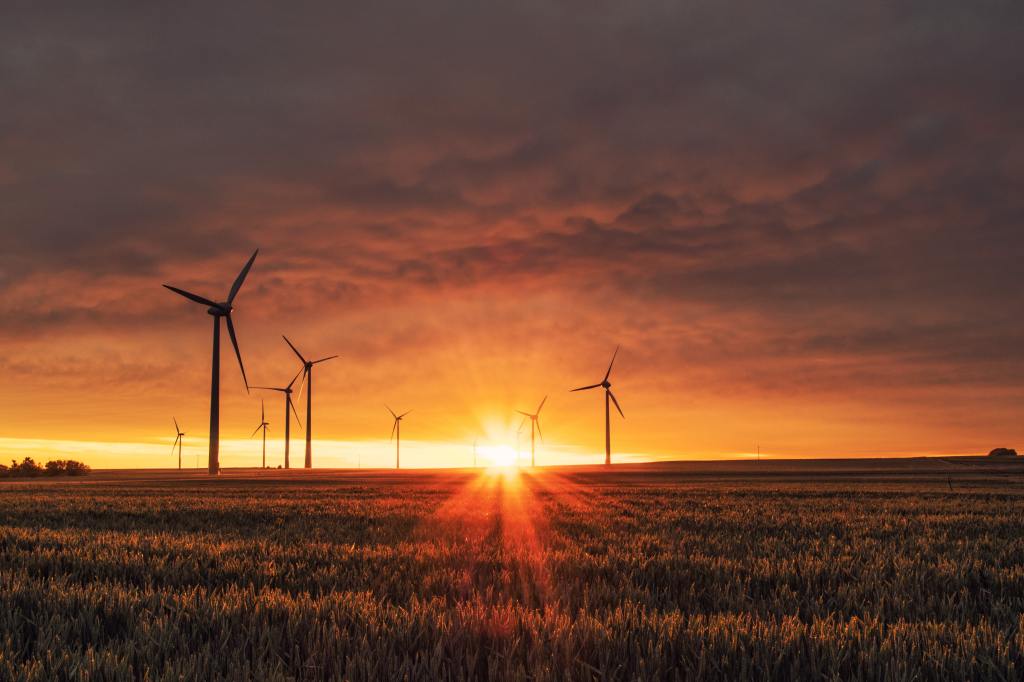
Closely related to the diversification of energy options is investing in renewable energy by African states in the global south. Admittedly, there is clear evidence that the continent has abundant renewable energy sources ranging from solar to hydropower, biomass, and wind, among others. Renewable energy sources are now widely recognized as not only pivotal to addressing energy access and security challenges in developing countries but also seen as a viable means to address climate change. The truth remains that public and private investment in renewable energy and other low-carbon energy technologies in Africa, especially in the sub-Saharan region with massive renewable energy potentials is a viable way to achieve the energy and climate goals.
Regional cooperation in energy development and management
The role of regional cooperation by African countries in the area of energy development to address the challenges of energy access cannot be overemphasized. Particularly, the Economic Community of West African States (ECOWAS) and Southern African Development Community (SADC) play a significant role within each region in addressing energy access and security challenges. Already, there are notable gestures by African states in this regard, with the development of the West African Power Pool (WAPP) in the western region and the Southern African Power Pool (SAPP) in the southern region. In order to achieve energy and climate justice simultaneously, African states need to increase regional cooperation in the development of clean energy by way of rising to the challenge of energy access through a collective engagement with the trend of green growth.
This piece was first published on the African Legal Studies Blog of the University of Bayreuth and is reproduced here with permission and thanks.
On 30 April and 1 May 2020, the University of Essex (School of Law and Human Rights Centre) hosted a workshop on the subject of Human Rights and Climate Change.
Owing to the Covid 19 crisis it was necessary to hold the event as a webinar rather than an in person event at the university itself. However, this had the welcome side-effect of providing the opportunity for more students, scholars and experts than had originally been anticipated to engage and participate in the discussions.
The intention behind the workshop was to provide a forum for debate relating to certain practical themes within the relationship between human rights and climate change where further clarification of state responsibilities is still required.
Over the last ten years, the United Nations (UN) has acknowledged the strong links between human rights and climate change. In particular the Human Rights Council has issued numerous reports elaborating on those links and it has encouraged further work on the subject.
At the domestic level, many countries have environmental rights incorporated into their constitutions. The Paris Agreement acknowledged the human rights impacts of climate change and in 2019 the UN Special Rapporteur on Human Rights and the Environment (Dr David Boyd), issued a report that asserted that people have the ‘right to a safe climate’.
However, despite the variety of developments that have taken place in the field within a relatively short space of time, there is still much work that needs to be done to further elucidate the content of human rights responsibilities that states have relating to climate change and the ways that they should implement them.
Therefore, this workshop provided a focal point for debate related to specific areas where clarification is required. As the solutions to the issues in question inevitably require non-legal expertise to inform our understanding of the way that law should be developed, the workshop brought together a uniquely interdisciplinary group of participants from law, policy, engineering, science, public health, urban planning and architecture. In bridging the gap between law and other disciplines it is hoped that the workshop contributed to the development of collaborative inter-disciplinary approaches in the field.
The organisers of the workshop would like to thank all those who participated by giving presentations or chairing sessions, also the School of Law and Human Rights Centre at the University of Essex; the Centre for Architecture and Sustainable Environment (CASE) at the University of Kent; The Eastern ARC Fund for its invaluable support and all those, from many different parts of the world, who attended the event.
The following provides a summary of the panel sessions that were held over the two days:
Panel 1: Institutional Understandings of the Relationship Between Human Rights and Climate Change
Prof. Knox traced and explained and provided insights relating to the history of the relationship between human rights and climate at the institutional level up until 2015. Dr Boyd then gave an account of the developments that have been taking place since the Paris Agreement along with an explanation of the work that he has undertaken in his role as the UN Special Rapporteur.
Panel 2: Human Rights, Climate Change and Transitions to a Low-Carbon Urban Environments
This session brought together experts from the diverse fileds of urban planning, architecture, engineering and law to discuss the challenges of developing low-carbon cities (particularly in the Global South) and the role that human rights should play in that process. Speakers in this panel were: Dr. Silvio Caputo (University of Kent), Dr. Ruchi Choudhury (Cambridge) and Ms Naysa Ahuja (World Bank).
A video for this panel is not available.
Panel 3: Litigation on Human Rights and Climate Change
This panel focussed on the recent growth in climate change litigation around the world, taking stock of the role that human rights have played in it. Attention was given to litigation both at the international and domestic level, across different countries.
Panel 4: Climate Change and Rights-Based Approaches to Public Health
The fourth panel focussed on understanding the role that rights-based approaches can have in addressing climate-related public health issues and the role that international health institutions should play in developing climate change policy. The panel covered the role of the WHO, the development of benchmarks and standards, as well as recent litigation related to air pollution and public health in a climate context.
Panel 5: Conflict and Contestations Around Human Rights and Climate Change
The final session of the workshop problematised the idea of a straight-forward relationship between climate change and human rights. Contributions examined the ways human rights may conflict with certain climate change mitigation or adaptation actions, covering a wide range of topics from renewable energy to migration and transport. Panellists considered the pathways towards equitable outcomes and examined these from regional perspectives that included sub-saharan Africa, South America and the Pacific.
The four speakers in this panel were: Dr. Annalisa Savaresi (University of Sterling), Dr. Thoko Kaime (University of Essex), Patricia Iturregui (Catholic University of Peru) and Shanna McClain (NASA). The panel was chaired by Dr. Emily Jones (University of Essex).
Future Plans
A similar workshop is planned for the summer of 2021. More information will be made available in due course.
There are also plans to further collaborate with other institutions to develop inter-disciplinary workstreams that look at the practical application of human rights in tackling climate change.

 Essex Law Research Blog