Trade finance is one of the backbones of global trade. By its nature, it is a heavily paper-based industry as it relies on ownership of title documents. Processes that currently support the global trade finance ecosystem are extremely focused on documentation and checking. An end-to-end process can often take weeks to complete.
The spread of digitalization and digital services in the broader society has led to calls for similar applications in the trade finance sector. However, embracing digital innovations in the trade finance industry has been very slow, trailing behind the rapid digitalization advancements made by the financial services and banking sectors.
Many of the complexities in trade finance are driven by the fact that each trade finance transaction requires the input of a large number of entities in different locations worldwide, including, for example, buyers, sellers, banks, customs authorities, insurance companies and carriers. Each entity has a unique mix of internal and external requirements to comply with. Importantly, they are at very different levels on the technology adoption curve. These variations present one of the main challenges for the trade finance industry to digitalize.
The emergence and adoption of new technologies in trade finance and trade generally have made full digitalization possible. Digitalization here refers to the incorporation of digital technologies into traditional trade finance processes and practices.
Legal framework and ecosystem collaboration
Dr Alshaleel’s research raises novel questions about whether the current trade finance legal framework is sufficient for allowing the transition to a fully digital system and whether the legal obstacles concerning the developments in technological applications in the trade finance industry are reflected in the international standards and rules.
The article argues that technical innovation is only one piece of the puzzle and effective legal frameworks as well as recognized standards are essential to accelerate the digitalization journey. It also posits that digitalizing an end-to-end trade finance process is a mission for the entire trade finance ecosystem: successfully digitalizing the full trade finance process requires cooperation and buy-in from all the players involved.
Finally, Dr. Alshaleel’s analysis also emphasizes that deeper coordination and collaboration between the parties in the trade finance ecosystem is crucial in helping digitalization reach critical mass.
By Sarah Zarmsky, Assistant Lecturer, Essex Law School
Photo from Unsplash
Historically, international criminal law (ICL) has been mainly concerned with physically violent crimes. Progressively, ICL has begun to recognise the importance of mental forms of suffering (such as for torture and genocide), but this has always been in connection with cases focused on physical harms. Recently, developments such as the proposed addition of the crime of ecocide to the Rome Statute of the International Criminal Court have signalled that ICL may be ready to evolve further and accommodate novel types of harm, including those perpetrated through technology.
To explore the potential of ICL to encompass online harms, or harmful acts perpetrated through online spaces, Sarah Zarmsky, PhD Candidate and Assistant Lecturer with the Law School, recently published her article ‘Is International Criminal Law Ready to Accommodate Online Harm? Challenges and Opportunities’ with the Journal of International Criminal Justice (JICJ). This article stems from part of Sarah’s doctoral research on accountability for digital harms under ICL, which encompasses a broader range of harms inflicted using technology than online harms.
This article aims to answer the understudied question of how technology can serve as the vehicle by which certain international crimes are committed or lead to new offences. It explores how current international criminal law frameworks may be able to accommodate ‘online harms’ to ensure that the law recognises the full scope of harms caused to victims, who currently may not be able to access redress through the international criminal justice system.
Three examples of online harm that have a foreseeable nexus to the perpetration of international crimes are identified, including (a) hate speech and disinformation, (b) sharing footage of crimes via the internet, and (c) online sexual violence. The article analyses these online harms alongside similar harms that have been encompassed by core ICL crimes, including genocide, crimes against humanity, and war crimes, to assess how they might fit into existing definitions of crimes (potentially as an aggravating factor at sentencing or as a new manner of commission), or warrant the creation of an entirely new offence.
The article concludes that the examples of online harm considered in the piece should be able to be accommodated by existing crimes, but this does not mean they should necessarily be treated the same as ‘traditional’ offences.
For example, in the case of the spread of hate speech, this online harm could likely fall under existing definitions of persecution or incitement to genocide, or when footage of crimes is shared online, it could likely amount to an outrage upon personal dignity. Yet, the online component often exacerbates the harm—for instance, posting a video of a crime could be potentially even more humiliating than committing the same crime in a public square, where the footage is not preserved, distributed, and virtually impossible to get rid of.
These elements should be recognised by ICL Chambers in future cases, such as during the gravity assessment of the crimes or at sentencing, to ensure that the full scale of the harm is acknowledged.
Finally, the article emphasises that as technology will only continue to develop and serve as a vehicle for an increasing array of harms, finding ways to account for online harm and bring redress to victims should be an issue at the forefront of ICL.
The article forms part of a forthcoming Special Issue with the JICJ edited by Dr Barrie Sander (Leiden University) and Dr Michelle Burgis-Kasthala (University of Edinburgh) titled ‘Contemporary International Criminal Law After Critique’.
The discussions that will be sparked by this article are relevant to the explorations of engaging with ICL ‘after critique’ presented in the Special Issue, as it is important that ICL be able to recognise and adapt to new forms of harm to avoid the favouring of existing criminal harms that can reinforce traditional assumptions and stereotypes behind the law.
By Professor Carla Ferstman, Director of Impact, Essex Law School
As academics, we conduct research for all sorts of reasons. We seek to advance knowledge and innovation in the areas in which we specialise, and we try to make connections with research being done in other disciplines for the purpose of enhancing our understanding of and contributing to address cross-cutting, complex challenges.
Academic research is increasingly being applied outside of academia to foster external impacts in our communities and societies. Research-led teaching can also foster the opportunities for cutting-edge, student learning.
The UK Research Excellence Framework values world-leading research that is rigorous, significant and original. It also encourages and rewards research that generates impact, which it understands as “an effect on, change, or benefit to the economy, society, culture, public policy or services, health, the environment or quality of life, beyond academia” (REF2021).
Impactful research is particularly relevant and important for the discipline of law, where colleagues’ work can lead to changes in how justice is perceived and how access to justice can be better achieved. Academic research in law has led to and influenced the direction of law reform and academic findings have also been applied authoritatively in court judgments. Legal research has also led to the development of new policies, and regulatory frameworks in the UK and internationally.
Despite the importance many legal academics place on generating impact, the route to impact is not obvious. Achieving impactful academic research defies a one-size-fits-all formula, though certain key pointers are invaluable:
First, impactful research is generated by academics who produce excellent, ground–breaking research.
Second, academics should be mindful of who (e.g., community stakeholders, policy-makers, decision-makers) would benefit from knowing about the research and should develop a strategy to ensure they effectively disseminate their findings.
Third, academics seeking to generate impactful research should be actively engaging with those who can benefit from their research, adapting their approach based on stakeholder needs and circumstances.
I sat down with Professor Woods to get a clearer understanding of her trajectory – how she got from A to B to C (or indeed, from B to A to F to C), to better appreciate the time her ideas took to percolate and the challenges she faced along the way.
I wanted to understand whether her research was picked up by government by happenstance, by carefully, plodded planning, or some other combination. I also wanted to know whether there was any magic formula she could share to generating impactful research.
Lorna qualified as a solicitor and worked in the early 1990s for a London city firm, where she was exposed to a variety of areas of law, including international trade, competition, and commercial law. She began to work with two of the partners on matters involving regulation, intellectual property, and media. She happened to be at the firm when many developments in the law occurred, such as the Broadcasting Act 1990, up-dates in data protection rules, and other changes as a result of growing public access to the internet.
This quickly developed into a specialism related to technology. “The work was really interesting. It wasn’t just the typical due diligence or deals management work that one often received in a corporate solicitor’s firm, there was a space to think and a space to have your say”.
Also, during this time, Lorna did some consulting work for the European Commission in Eastern European countries following the political changes in the early 1990s, focused on media freedom and public service broadcasting, which involved new thinking about the rights of the public audience that had not yet been theorised.
Lorna left the firm after about five years when, as often happens, she began to take on a more supervisory role, with some of the most interesting pieces of work being delegated to more junior colleagues. She pursued an LL.M degree at the University of Edinburgh (legal theory and human rights, with a dissertation on federalism and the European Union) and began to apply for academic roles. She secured a position in 1994 at Sheffield and began teaching EU and public law.
The Eureka moment or more of a slow-burner?
Gradually Lorna’s research began to drift back to media law and data protection, incorporating areas she had been studying around human rights, public speech, surveillance, and the rights of journalists, but with her own take. She recalled that “A lot of people were talking about journalists’ rights, but I was focussed on the rights of the companies who were transmitting; an ‘essential facilities’ argument but approached from a rights perspective. I also started looking at these issues from the perspectives of EU law and the free movement of cultural standards [the rights of the audience] rather than simply as an issue of freedom of expression.”
Central to this was the idea that there were different actors in an information environment – the speakers and the audience, and something in the middle which had more to do with the platform, that is not really seen or thought about. The question Lorna had was whether these entailed separate rights or were all part of a unified right to information.
In 2000, Lorna was collaborating with Professor Jackie Harrison at Sheffield and they began researching new media and media regulation, and again, this is where she conceptualised further her thoughts on the rights of the audience not only to have access to information, but to information that was reasonably reliable, and where possible, to a diversity and plurality of sources.
This also connected to her thinking about how to find information on the internet, who curates what we can find and what responsibilities may be attached to the curation. The flip side to this was considering the nature of states’ positive obligations to provide a safe online environment. Lorna also began to explore issues around user–generated content.
In response to the growing awareness of how female politicians and activists were being targeted on Twitter (now X), and the notoriety of the abuse faced by Caroline Criado Perez and Walthamstow MP Stella Creasy, Lorna started looking at what controls were in place, and began to consider the gaps in regulation and how they could best be addressed.
At the time, she observed that politicians had embraced Twitter, amplifying their influence while also making them more accessible and exposed. The platform facilitated direct communications between everyone on the network, including with unsavoury individuals who were using the platform as a form of abuse. This was fuelled by anonymous accounts, hashtags that allow you to jump on the bandwagon, and little seeming moderation at that stage. There were many instances of public-facing women receiving rape and death threats.
In consequence, there were several instances in which users were being charged in the UK under section 127 of the Communications Act – a low-grade offence which criminalises the sending, via a “public electronic communications network”, of a message which is “grossly offensive or of an indecent, obscene or menacing character”. But it was never clear to Lorna that using the criminal law was the best solution to the problem.
The campaign for law reform begins to take shape
Around 2015, Lorna became aware that the then Labour MP Anna Turley MP was developing a private member’s bill: the Malicious Communications (Social Media) Bill. Someone whom Lorna had met in an unrelated capacity – “this is just really a feature of when you work in a certain area, you meet people linked to that area. And progressively, your army of contacts comes back to help” – William Perrin, managed to get her in the door to meet the MP.
Together, Lorna and William helped to draft the Bill. The goal was to give users better tools (user empowerment features and functionalities) so that they could filter and triage incoming content, at least as a starting point for improving the online environment. Their advice (which was taken on board) was not to remove platform immunity for third-party content; they recognised that the platform providers were offering an important service worth protecting.
Part of the rationale for this was the connections they saw between internet platform providers and telecoms providers: “If you were to hold a telecoms provider responsible for anything communicated on the service, they would become very cautious and ultimately it would shut down the service. So, there was a need for caution.” Ultimately the Bill did not progress because private members’ bills rarely do but they operate to bring matters to the attention of the Government and can be part of a campaign for change.
Subsequently, the Government published a Green Paper on internet safety in 2017, where significant concerns were raised. This was the era of Cambridge Analytica and misinformation, but there were also concerns about child pornography and online bullying, and the algorithms prioritising content to vulnerable users stemming from the tragic Molly Russell case. The Green Paper seemed to revisit the recommendation to remove (or significantly restrict) platform immunity for third-party content, which Lorna and William did not think was the best approach, for the reasons already stated.
There was a need to conceive of the problem at the systems level, rather than merely focusing on isolated items of content. For example, the scale of the problem invariably was not about the individual offensive posts but that the content was quickly able to go viral without appropriate controls, aided by functions like the “like” button, and the availability of anonymous, disposable accounts.
Similarly, the recommender algorithm which optimised certain posts for engagement tended to privilege the most irrational, emotional posts which were more likely to promote hatred or cause offence. Making small changes to these kinds of features and investing more in customer response, could significantly improve online safety. Thus, according to Lorna, there was a certain recklessness in the product design that needed to be addressed – this was the genesis of the idea of a statutory duty of care.
Paws for thought: remembering Faith, Lorna’s beloved cat who ‘Zoom-bombed’ video calls during lockdown and contributed much to debates on online safety
The statutory duty of care
Lorna and William produced a series of blogs and papers outlining this position, and the need for such reforms was also underscored by Lorna during an oral evidence session at the House of Lords inquiry into the regulation of the internet. The Carnegie UK Trust stepped up to champion Lorna and William’s work, facilitating its progress.
The UK Department for Culture, Media and Sport (DCMS) invited Lorna to give a briefing, and it became clear that there was some confusion. The DCMS had been under the impression that the conditionality of the platform immunity amounted to a statutory duty of care. Consequently, part of what Lorna and Will tried to explain was how their proposal was compatible with the principle of platform or intermediary immunity. The proposal was not seeking to impose liability on the platform for user content but instead, focused on requiring platforms to ensure product design met their duty of care to users. These discussions with DCMS continued, and progressively intensified.
The White Paper which was ultimately released in April 2019 clearly articulated that “The government will establish a new statutory duty of care to make companies take more responsibility for the safety of their users and tackle harm caused by content or activity on their services,” and outlined what that duty of care would look like and how it would be regulated.
Changes within the Tory leadership ultimately delayed progress. There were also concerns raised by some of those in the free speech lobby who saw parts of what was being proposed as censorship. Lorna’s background in freedom of speech helped her respond to those concerns: “I was concerned that freedom of speech was being used as a slogan. When you look at any right and you look at it in isolation, you are then implicitly privileging it. And here, it was important not just to consider the rights of the ‘speaker’ but the rights of all the other users as well, some of whom are extremely vulnerable.”
These points align with what the UN Special Rapporteur on Freedom of Opinion and Expression explained in her 2023 report on gendered disinformation, who notes, citing Lorna’s submission, that “Systemic regulation, which emphasizes ‘architecture over takedown’, allows for more proportionate responses and is likely to be better aligned with freedom of expression standards.”
Certainly, companies were lobbying in other directions and the Act reflects some corporate compromises, such as the need for the duty of care to be applied proportionately, to account for the different levels of resources of the regulated company. But there were powerful counter-arguments, and the NSPCC and other organisations were effective allies particularly on the need for clear duties of care in relation to child users. The Daily Telegraph also ran an important campaign on the legislation. The Government at one point sought to restrict the Act to concerns about children, so this became part of the campaign to maintain a focus also on harm to adults (unfortunately only limited protections were maintained). There are other parts of the Act which differ from what Lorna and William had proposed, such as dividing up the regulatory framework by reference to certain types of conduct. Inevitably there were compromises.
The Act as adopted envisages that the communications regulator Ofcom will produce guidance and codes which will explain what internet platforms must do in order to operate in the United Kingdom. There are ongoing consultations regarding these texts. Once the guidance and codes are in place, companies will be given a period (three months) to align their practice to comply with the requirements. Thereafter, the duties of care will become binding.
Some of the companies appear to be arguing that a duty of care is too vague a standard, however this is hard to accept, given that it is a recognised legal standard. The goal for Lorna and others is therefore to ensure that the duty of care standard is made operational in such a way that it provides clear and adequate protections; it should be more than a ‘tick the box’ exercise.
I asked Lorna how this legislation would tackle the activities of companies operating outside of the UK, but with impacts in the UK. She explained that parts of the Act have extraterritorial effect, to the extent that company activities are directed at or have impacts in the UK. Some companies have introduced policies for different geographical regions to address the requirements of national legislation, so this is a possibility for multinational internet platforms accessible to UK users.
I also discussed with Lorna whether she believed individuals like Molly Russell would be more effectively safeguarded now that the Online Safety Act is in force. She explained that Molly would not be better off today, because the guidance and codes are not yet in place. “Maybe in a year’s time, she would probably be better protected, as a child. I think an 18-year-old Molly would be sadly let down by the regime, which should be more robust.”
Given the clear synergies with her work on the Act, Lorna is also progressing with work on online gender-based violence, and some work on gender-misinformation, incel and extremism. As she looks deeper into these critical areas, it becomes evident that her ongoing endeavours reveal new challenges and fresh avenues for advocacy and change.
Picture a city with an acute housing shortage. Now, envision a plot of land formerly used for industrial purposes, now vacant following a fire that razed most of its buildings two decades ago. Next, imagine a property development initiative set to deliver 150 shiny new houses and 100 smart apartments on that very site. Finally, consider that the project also includes plans for landscaped stretches of open space and a dedicated area earmarked for on-site biodiversity protection.
In this fictional setting, 250 new homes sound great. The open space and the bio-diversity protection area sound good too. But let’s also imagine some potential adverse effects of the development. Perhaps there are many families in acute housing need in the local area who will be priced out of the development. Maybe local primary and secondary schools are already oversubscribed. Perhaps traffic crawls along local roads at the pace of a sedated snail.
Can a local authority compel the developer carrying out this type of development project to mitigate these adverse effects?
My article develops ideas I discussed in a lecture I gave in December 2023 as part of UCL’s flagship Current Legal Problems lecture series and expands upon work I previously discussed in a blog on the role of contracts in contemporary town planning. In my lecture and blog post, I highlighted tensions in current planning practice that arise when local authorities rely on private developers to provide public goods that the local authority has identified as important.
UCL Current Legal Problems Lecture:Contracting in the public interest? Re-examining contract in contemporary town planning processes
I build on my earlier work in my latest article by investigating how local authorities and developers create ‘planning obligations’ to mitigate the potentially adverse effects of property development on local communities and on local infrastructure needs. The planning obligations that I discuss are made by local authorities and developers by agreement pursuant to section 106 of the Town and Country Planning Act 1990. The article asks important questions about the detailed and highly intricate framework of duties, rights and powers that these ‘section 106 agreements’ create.
I base my analysis in the article on two case study developments. Examining the section 106 agreements created for these developments enables me to provide rich insights into this complex area of legal and planning practice.
I summarise my findings below.
Finding 1: A limited role in ordering ‘private’ relations
In most property development projects, the developer will seek to obtain planning permission by applying to the planning part of a local authority. Before the local authority grants planning permission, the local authority and the developer will usually identify potential negative effects of the proposed development, and the two parties will negotiate planning obligations to be secured in a section 106 agreement. These obligations might aim to mitigate the development’s negative impacts through the provision, by the developer, of funding for local schools, affordable housing, and local amenities, amongst other things.
When a developer and a local authority enter into a section 106 agreement, the developer should perform the planning obligations and the local authority can enforce them.
The first key issue that my article considers is the nature of the ‘private’ bilateral contractual relations between a developer and a local authority that a section 106 agreement creates.
I ask an important question about this in my article: How do section 106 agreements contribute to a development culture in which private developers do not always perform their public policy obligations?
In the pursuit of answers to this question, I examine the content of the obligations in the section 106 agreements created for my case study developments, I scrutinise monitoring arrangements and I investigate enforcement powers.
In the article, I explain the first key insight from my case studies as follows:
My [case studies] show how these agreements consist of administrative clauses that appear to create an intricate framework of rights, responsibilities, duties and powers relating to the performance of planning obligations. But I also showed how the detail, complexity and apparent rigidity of the obligations in the agreements belies the one-sidedness and the haphazardness of these arrangements. This is important, and suggests that these agreements are ill-equipped to serve as effective instruments for ordering the ‘private’ relations between a [local authority] and a developer.
Finding 2: New questions about the ‘expressive force’ of section 106 agreements
A further crucial finding that my article presents relates to the public-facing work that section 106 agreements do.
My second case study involved a development proposed for a site where ownership of the land was divided amongst multiple unwilling sellers. The local authority had granted a developer planning permission for that development and, to enable that development to take place, had agreed to use its compulsory purchase powers to acquire the entire site.
The land acquisition context of this development enables me to analyse the operation of section 106 agreements as a justificatory device local authorities and developers deploy at planning inquiries convened to consider the use of compulsory purchase powers.
Alongside this, another striking aspect of my second case study development was the way that the section 106 agreement addressed local policies relating to affordable housing provision.
In my article, I ask a second important research question: How does the presence of ostensibly binding promises in section 106 agreements facilitate the exercise of regulatory decision-making in planning and property development processes?
By examining my second case study development, I conclude in my article as follows:
My discussion here presents new findings showing how these agreements can have a powerful expressive force in signalling a commitment to public policy interests that ‘de-risks’ these contentious land acquisition and affordable housing issues for developers and local authorities (Legacy and others 2023). But the crucial point in this section is that these agreements do this despite the emptiness of the commitments that they sometimes contain. These findings demonstrate how planning scholarship needs to look beyond the impression of binding force that a section 106 agreement creates to scrutinise the way that these agreements reinforce uneven outcomes and marginalise certain interests.
Photo by Maximillian Conacher on Unsplash
Finding 3: The need for greater transparency and community participation
My second case study provides an opportunity to examine a section 106 agreement containing developer obligations designed to discharge a local authority’s public sector equality duty.
The third research question that my article asks relates to this public sector equality duty. I ask: How do local authorities manage the implementation of novel developer obligations designed to shape broader community relations?
In my article, I describe my findings in response to this question as follows:
[Making] a section 106 agreement containing developer obligations designed to discharge a local authority’s public sector equalities duty … is an innovative and under-explored way of using a section 106 agreement, so this part of the paper provides a rare insight into the more unusual obligations in these agreements and into the practical challenges local authorities can face when monitoring the implementation of novel planning devices.
My findings also enable me to explain how equalities considerations created a focal point for opposition to an apparently settled development trajectory.
I argue that this highlights the need for greater transparency and public involvement in setting and implementing planning obligations.
Agenda for further research
Planning, public law and contract law scholars will find helpful insights in my article about the diverse and multilayered roles contractual arrangements play in current regulatory practices.
But while my article highlights various problems with the current use of section 106 agreements, understanding how local authorities might more effectively compel developers to mitigate the impacts of property development requires further research.
Here are some key areas where a greater understanding of section 106 agreements and their use might enable insights that would inform better practice:
How might planning law and planning practice enable greater transparency and public involvement in setting and implementing planning obligations?
How do planners and lawyers gather and use the monitoring information about developer behaviour theoretically made accessible through the section 106 agreements studied in my article?
How do planners and lawyers use the enforcement powers contained in section 106 agreements, and could they use those powers differently?
The Online Safety Act 2023 (OSA) introduced a range of measures intended to improve online safety in the UK, including duties on internet platforms about having systems and processes in place to manage illegal and harmful content on their sites. On 31 January 2024, Part 10 of the Act came into effect, introducing a series of new criminal offences which represent a significant leap forward in tackling complex challenges surrounding online communications safety.
Section 179 of the OSA establishes the criminal offence of sending false communications and seeks to target, among others, internet trolls. It is now deemed an offence if an individual (a) sends a message containing knowingly false information; (b) intends, at the time of sending, to cause non-trivial psychological or physical harm to a likely audience; and (c) lacks a reasonable excuse for sending the message. Recognised news publishers and broadcasters are exempt. The offence does not apply to public screenings of cinema films either. It can be committed by individuals outside the UK if they are habitually resident in England, Wales, or Northern Ireland. Penalties include imprisonment for up to six months, a fine, or both. It is hoped the new offence will help clamp down on disinformation and election interference online.
Section 181 establishes the criminal offence of sending threatening communications. This is committed when an individual sends a message containing a threat of death, serious harm (e.g. bodily injury, rape, assault by penetration), or serious financial loss, with the intent to instil fear in the recipient that the threat will be carried out (whether by the sender or someone else). In cases of threats involving financial loss, a defence is available if the threat was used to support a reasonable demand, and the sender reasonably believed it was an appropriate way to reinforce that demand. This offence applies to individuals residing in England, Wales, or Northern Ireland, even if the sender is located outside the UK. Penalties include up to five years of imprisonment, a fine, or both. In March 2024, Essex law enforcement achieved a significant milestone by obtaining one of the earliest convictions under the new OSA, resulting in an eight-month jail sentence for Karn Statham. Statham harassed a woman by sending threatening messages and making repeated visits to her address after being instructed to cease contact.
A new criminal offence under section 183, dubbed “Zach’s law”, aims to protect people from “epilepsy trolling”. The campaign against such conduct began when eight-year-old Zach, who has epilepsy, was raising funds for the Epilepsy Society. Trolls inundated the Society’s profile with images and GIFs meant to induce seizures in people with epilepsy. While Zach was unharmed, others with the condition reported seizures after engaging with the fundraiser online. The Act creates the offence of deliberately sending or showing flashing images to individuals with epilepsy with the intent to cause harm, defined as inducing a seizure, alarm, or distress. Particular conditions (specified in the Act) must be met before a conviction is secured, both in respect to sending and showing flashing images electronically. Recognised news publishers, broadcasters, public screenings of cinema films as well as healthcare professionals cannot be guilty of this offence (which can similarly be committed by individuals outside the UK if they are habitually resident in England, Wales, or Northern Ireland). Penalties include imprisonment for up to five years, a fine, or both.
Moreover, section 184 outlaws encouraging or assisting serious self-harm. To be guilty of this offence, an individual must perform an act intended to encourage or assist serious self-harm in another person, whether through direct communication, publication or sending (or giving) items with stored electronic data. Serious self-harm encompasses actions leading to grievous bodily harm, including acts of omission such as encouraging someone to neglect their health regimen. The identity of the person harmed need not be known to the offender. The offence can occur regardless of whether self-harm is carried out and it is irrelevant who created the content in question (it is the sending that matters). The offence is punishable by imprisonment for up to five years, a fine, or both, and likewise, it applies to individuals habitually resident in England, Wales, or Northern Ireland, even if they are outside the UK.
Cyber-flashing on dating apps, AirDrop and other platforms will also result in perpetrators facing up to two years in prison. Section 187 of the Act introduces a new offence under the Sexual Offences Act 2003 pertaining to the sending of photographs or films of a person’s genitals to another individual. A person (A) is deemed to commit the offence if they intentionally send or provide a photo or video of another person’s genitals to another individual (B) under the following conditions: either A intends for B to view the genitals and experience alarm, distress, or humiliation; or A sends or provides such material with the aim of obtaining sexual gratification and is reckless as to whether B will experience alarm, distress, or humiliation. “Sending” covers sending through any means, including electronic methods, showing it to another person, or placing it for someone to find. A conviction for this offence could also lead to inclusion on the sex offenders’ register. In February 2024, an Essex Police team secured the UK’s first cyber-flashing conviction, with Nicholas Hawkes pleading guilty to sending explicit images via WhatsApp to cause distress. On 19 March 2024, Hawkes was sentenced to 66 weeks in prison. He was also made subject to a restraining order for 10 years and a Sexual Harm Prevention Order for 15 years.
Finally, the OSA repeals the legislation first introduced to tackle ‘revenge porn’ offences (sections 33-35 of the Criminal Justice and Courts Act 2015) and introduces a set of intimate image sharing offences. Specifically, section 188 of the OSA introduces a new base offence of sharing of intimate images without consent, carrying a penalty of imprisonment for up to six months. This applies when an individual intentionally shares an image portraying another person in an intimate context without their consent and without a reasonable belief in consent. Two more serious offences are established on top of that, both reflecting the offender’s higher culpability and carrying greater penalties: namely (a) intentionally causing alarm, distress, or humiliation to the person in the image; and (b) seeking sexual gratification from the act (these are outlined in sections 66B(2) and (3) of the Sexual Offences Act 2003). Threatening to share an intimate image of a person has also been made an offence where the perpetrator either intends to cause fear that the threat will be carried out or acts recklessly in doing so (this is found under section 66B(4) of the aforementioned 2003 Act). The new offences also fall under the sexual offender notification requirements. These new intimate image offences are also designed to tackle “deepfakes” and “down-blousing” (i.e. capturing images typically of a person’s chest area, from a downward angle, often without their knowledge or consent). They also come with various exemptions (outlined under section 66C of the Sexual Offences Act 2003), e.g. where the photograph or film involves a child and is of a kind normally shared among family and friends.
While there is some overlap between existing offences, the new offences consolidate previous ones or address gaps. For example, the intimate image sharing offence widens the meaning of the photographs or films, from “private sexual” to “intimate” and makes it easier for those caught sharing such content online without the other person’s consent to be prosecuted, as it removes the requirement for any harm to be intended to the subject of the photograph or film. The updated guidance of the Crown Prosecution Service aims to delineate the appropriate charge for each circumstance. The introduction of the new offences is anticipated to fortify protections against online misconduct.
This article was first published on the IRIS Merlin database and is reproduced here with permission and thanks.
The European Committee of Social Rights (ECSR) recently published its 2023 conclusions on the rights of children, family and migrants under the European Social Charter (ESC). The European Social Charter, in its original formulation of 1961 and the revised of 1996, is the most significant treaty under the Council of Europe dealing with socio-economic rights. ECSR is the authoritative interpreter of the Charter, and it is mandated to monitor States’ compliance with it.
As part of the reporting procure, States submit reports to the ECSR about the measures they are adopting in relation to the labour marker, social security or social assistance and other policies concerning socio-economic rights. The ECSR also relies on evidence provided by civil society, unions, national human rights institutions and academics.
In 2023, specifically in relation to rights of children, families and migrant workers (Articles 7, 8, 16, 17 and 19 ESC), the ECSR adopted 415 conclusions of conformity with the Charter and 384 conclusions of non-conformity in relation to 32 European countries (EU and non-EU). One of them is the United Kingdom, with 10 conclusions of conformity and 9 of non-conformity.
In its assessment of the situation, the ECSR relied on a report I wrote with my colleague Lyle Barker as part of Human Rights Local, a project of the Human Rights Centre of the University of Essex. Conceived and developed in partnership with the anti-poverty NGO ATD Fourth World, the report “Poverty, Child Protection, and the Right to Protection and Assistance to the Family in England”, published in June 2023, called for transformative change to child services. We combined law and policy desk research, data analysis, and interviews and focus groups with a total of 33 people (28 of them female), including parents, social workers and young adults. We argued that creating a social security system that guarantees the essentials in life, regulating for-profit children’s homes, and extending peer-parent support can help to eradicate a toxic culture of prejudice and disproportionate risk-aversion in England’s child protection services.
We made the case that child protection services are not observant of the right to protection and assistance to the family, recognised in Article 10 of the International Covenant on Economic, Social and Cultural Rights (ICESCR). Article 10 ICESCR is very similar to Article 16 ESC, the right of the family to social, legal and economic protection.
Based, among other sources, on our analysis in the mentioned report, the ECSR concluded that “the situation in the United Kingdom is not in conformity with Article 16 of the 1961 Charter on the grounds that: equal treatment of nationals of other States Parties regarding the payment of family benefits is not ensured due to the excessive length of residence requirement; the amount of child benefits is insufficient.”
Between 2022 and 2025, the UK is also being examined by the UN Committee on Economic, Social and Cultural Rights, which monitors compliance with ICESCR. In December 2022, we submitted a summary of the preliminary conclusions to the UN Committee. Alongside a colleague with lived experience of poverty from ATD Fourth World, I presented the submission to the UN Committee in March 2023 remotely. The Committee’s List of Issues for the UK Government included one of our concerns, which had not been addressed in any other submission, namely, the regulation and monitoring of private and for-profit providers of child protection. We will continue engaging with international human rights bodies and urging the authorities to implement the necessary measures locally and nationally to protect children and families in poverty in the UK.
Dr Koldo Casla, Senior Lecturer at Essex Law School, is a member of the Academic Network on the European Social Charter and Social Rights (ANESC), and co-editor of The European Social Charter: A Commentary, Volume 3 (2024), on Articles 11-19 ESC.
As of Tuesday 26th March 2024, the Essex Law Research Blog will be on a short hiatus for the next four weeks.
We will publish intermittently over the next weeks and will return to regular full service on 23rd April 2024 to share more research ideas and news from the Essex Law School.
Influencer marketing has emerged as a formidable force in the realm of advertising, wielding substantial power to sway consumer behaviour and shape brand perceptions. Leveraging the credibility and reach of social media personalities, brands can effectively tap into niche audiences and foster authentic connections.
Despite its undeniable impact, there remains a notable lack of comprehensive research and regulatory oversight surrounding influencer marketing practices. As the landscape continues to evolve rapidly, it becomes increasingly imperative for regulators to delve deeper into this field in order to safeguard followers’ interests and maintain the integrity of digital advertising ecosystems in which influencers operate.
My new research looks at the rapidly evolving landscape of influencer marketing and its profound effects on the dynamics between social media users, advertisers, and brands. In my new article, I demonstrate that influencers have transcended the dichotomy of self-publishers vs traditional advertisers, shaping distinct career trajectories.
With the burgeoning influencer industry in mind, I critically examine the regulatory landscape, particularly the responsiveness of the Advertising Standards Authority (ASA) and the Competition and Markets Authority (CMA) to influencers’ professionalisation.
Despite the industry’s growth, regulatory gaps persist, leaving consumers vulnerable to lightly-overseen influencers. I caution that regulators rely on antiquated tools, allowing newcomers in the industry to fly beneath their radar.
For instance, the established advertising rule to make clear that ads are ads predominantly applies to those influencers who have forged brand partnerships. However, I argue that early career influencers who may not monetise their content, still wield significant influence. They have a remarkable knack of cultivating genuine connections that bestow hidden promotional content with an unmatched aura of trustworthiness.
I conclude that, from a regulatory standpoint, we are not seeing influencers’ increasing professionalisation. I advocate for a transformative shift in regulatory perspective to encompass influencers throughout their career journey, challenging the prevailing notion that only high-reach influencers warrant scrutiny.
Therefore, I emphasise the need for a recalibrated regulatory threshold that accounts for emerging influencers, endorsing a more comprehensive definition and a holistic approach that recognises the multifaceted nature of IM practices.
My article, published in the Journal of Computer, Media and Telecommunications Law (Vol. 29, Issue 1, pp. 8-21) urges regulators to adapt to the nuanced and evolving nature of influencer marketing to ensure a more robust oversight and integrity in this emerging profession.
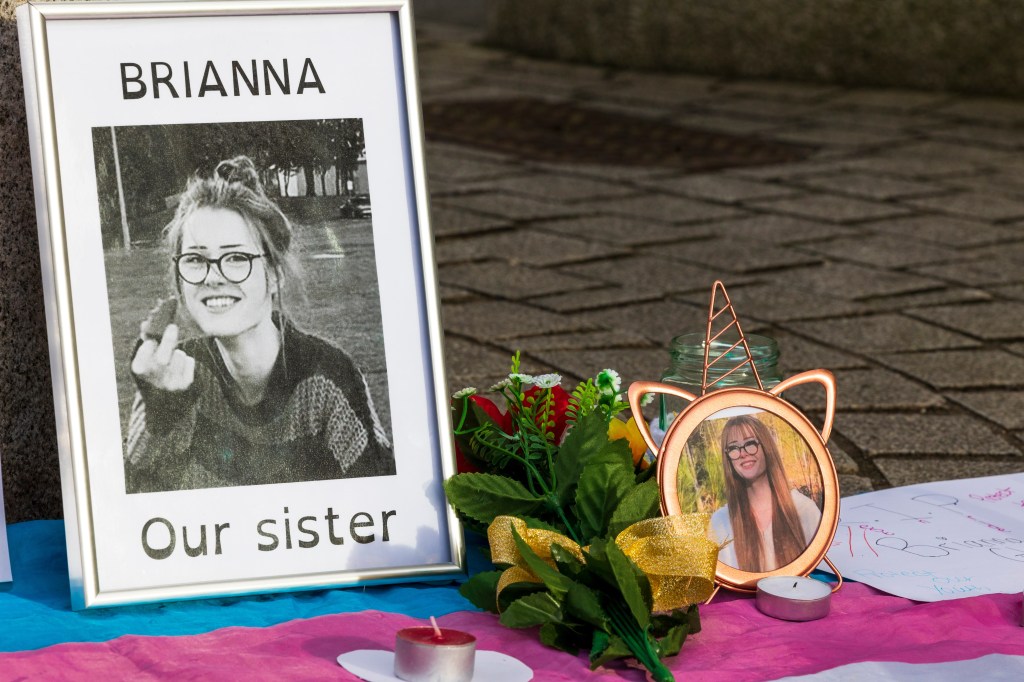
The death of 16-year-old Brianna Ghey at Culcheth Linear Park in February 2023 sent shockwaves across the United Kingdom. On 20 December 2023, Scarlett Jenkinson and Eddie Ratcliffe were found guilty of Brianna’s murder, subsequently receiving life imprisonment sentences on 2 February 2024.
From the brutality of the crime to the debate over whether the perpetrators’ names should have been published and the speculation about the potential influence of violent media on their actions as to whether their acts had been influenced by violent media, this case is reminiscent of James Bulger’s murder over three decades ago. A notable difference, however, is that the victim in this case was a transgender girl.
Brianna’s murder against the backdrop of the trans rights debate
Official figures reveal a concerning surge in police-recorded transphobic hate crimes in England and Wales in recent years (11% up from the year before in 2022/23 and a staggering 186% rise over the last five years). The latest Home Office report acknowledges that comments made by politicians and incendiary media discussions on trans issues might have contributed to this trend. In the current socio-political climate, where the polarisation between trans and women’s rights groups over gender self-identification can reach ‘toxic’ levels, there is a serious risk that victims like Brianna Ghey will – as the domestic abuse commissioner Nicole Jacobs warned – be ‘denied their dignity’.
Recognising the role transphobia has played in this violent crime is vital to tackling that risk. Yet, The Times were quick to ‘deadname’ Brianna, i.e. report the news of her murder using the victim’s pre-transition (male) name, triggering a strong backlash by trans advocates. Similarly, BBC News and Sky News also faced criticisms for initially failing to mention the victim was trans. Meanwhile, Fair Play for Women, a gender-critical campaign group which views sex as immutable, argued that the victim’s transgender identity was not relevant to stories about her murder and should have been omitted from them. Notably, Cheshire police did not consider the murder to have been motivated by hatred against Brianna’s transgender identity. DCS Mike Evans explained that Jenkinson and Ratcliffe had previously discussed killing other children, suggesting that, had they not been able to kill Brianna, they would have found another victim.
Why did Brianna’s murderers not remain anonymous?
Due to the defendants’ age, restrictions were in place throughout the trial to prevent the publication of any information likely to reveal the identities of the two perpetrators as the defendants in these proceedings. However, some controversy arose when the decision was made to publicly name the two teenagers at their sentencing. Mrs Justice Yip took the unusual step to revoke anonymity orders shielding the assailants’ identities, following an application by press representatives.
As there has been some misunderstanding around this issue, it is worth explaining how the anonymity orders worked in Brianna’s case. It will be recalled that the two perpetrators were tried before the Manchester Crown court, which is an adult criminal court – not a youth court (of note, a young person charged with murder cannot be tried or sentenced by a youth court because of the seriousness of the charge). While there is no automatic ban on identifying individuals under 18 as being concerned in the proceedings of adult criminal courts, section 45 of the Youth Justice and Criminal Evidence Act 1999 empowers criminal courts to grant anonymity to a juvenile defendant, victim or witness in adult criminal proceedings while they remain under the age of 18. This power is not available to youth courts. The intention of Parliament in enacting this provision was to widen the scope of protection available to under-18s.
Section 45 allows an adult criminal court to impose a discretionary reporting restriction. If the court so wishes, it can choose to impose no restrictions at all. The law draws, therefore, a distinction between young people appearing in youth courts, who are automatically entitled to anonymity, and those appearing in adult criminal courts, who must seek a discretionary reporting restriction.
This is critical. It means that in a youth court, there must be a good reason for lifting the anonymity order which applies by default, whereas under section 45 of the 1999 Act, there must be a good reason for imposing – or continuing with the imposition of – the anonymity order. So, in the case of section 45, there is a strong presumption in favour of open justice, placing the burden of justifying reporting restrictions on the party seeking to derogate from this fundamental principle.
The defendants in Brianna Ghey’s case, both 16 at the time of their conviction, would lose the anonymity protection upon reaching adulthood in 2025 by operation of the law. In the meantime, however, a court may consider lifting or relaxing restrictions in two circumstances: either when the court is satisfied that doing so is ‘necessary in the interests of justice’ (section 45(4)); or when it is satisfied that the reporting restriction unduly limits the coverage of the proceedings and it is ‘in the public interest’ to remove or modify the restriction (section 45(5)). A list of factors to be considered in an assessment of where the public interest lies in such situations is provided in section 52 of the Act.
No judge takes such decisions lightly. As the Court of Appeal has previously emphasised, judges are tasked with meticulously weighing the competing public interest factors at play on the particular circumstances before them. So, neither the open justice principle nor a young person’s best interests automatically dictate the conclusion in a given case. Pre-conviction and during the trial, a defendant’s welfare is likely to take precedence over the public interest in disclosure. However, post-conviction and sentencing, factors such as the offenders’ age and the severity of the crime acquire particular relevance in determining whether publication is warranted.
As Mrs Justice Yip observed in Brianna’s case, ‘the shock generated by [her] murder and the circumstances of it has spread well beyond the local community, across the nation and indeed internationally. The public will naturally wish to know the identities of the young people responsible as they seek to understand how children could do something so dreadful. Continuing restrictions inhibits full and informed debate and restricts the full reporting’ of an ‘exceptional’ case.
But the lifting of the discretionary reporting restrictions under section 45 was driven not only by the sustained public interest in knowing the identity of Brianna’s murderers, but also because of the likelihood of continued media attention regardless of the timing of disclosure as well as the defendants’ extended custody and rehabilitation process into adulthood. While acknowledging the distress to the defendants’ families, Mrs Justice Yip underlined that the powers under section 45 were not designed for convicted defendants’ family members, and the risk of harassment to the defendants’ families was deemed likely regardless of the timing of identification. It was the combination of all these considerations that favoured publication.
Sentencing in Brianna’s murder as a catalyst for confronting transphobia
Brianna’s murderers were named the day they were sentenced for her murder. Even though Cheshire police had dismissed transphobia as a motivating factor, Mrs Justice Yip expressly recognised in her sentencing remarks that the crime had been, at least partly, driven by hostility towards Brianna’s trans identity. Distinguishing between the young offenders’ motivations, the judge determined that Jenkinson was primarily seeking to act out her ‘sadistic’ fantasies and had a ‘deep desire to kill’ while Ratcliffe was, in part, driven by transphobic sentiments. This hostility towards trans people had, according to the judge, been ‘undoubtedly displayed’ in the dehumanising language Ratcliffe used in the WhatsApp messages he had sent to Jenkinson, in which he described Brianna as a ‘femboy thing’ or ‘it’, revealing that he wanted to ‘see if it will scream like a man or a girl’.
Such messages make for a harrowing read and it is easy or even convenient for our society to brush off the transphobia reflected in them as merely the hateful words of one ‘bad apple’. The truth is, however, that Brianna Ghey’s murder has shed light on a harsh reality: abuse often becomes a distressing aspect of vulnerable trans individuals’ lives, even if this does not always escalate to extreme violence. The Conservative Government’s and the UK mainstream media’s trans-othering rhetoric has been repeatedly criticised by several international human rights organisations. Indicatively, the Council of Europe’s Commissioner for Human Rights, Dunja Mijatović, warned of the risks deriving from an ‘increasingly toxic’ anti-trans political and media discourse built upon ‘deeply discriminatory stereotypes […] based on ideas of predatory determinism.’ This ‘culture war’ against trans people has also been cited by the International Lesbian, Gay, Bisexual, Trans and Intersex Association as one of the reasons behind the UK’s continuous drop in its annual rankings for LGBT rights across Europe.
During PM Questions on 7 February 2024, Rishi Sunak faced a backlash after his remark about Labour leader Keir Starmer’s purported difficulty in ‘defining a woman’ while Brianna’s mother was in the public gallery during the exchange. Trans allies, including Brianna’s father Peter Spooner, expressed ‘shock’ and ‘disgust’ towards the PM’s ‘degrading comments’, calling for an apology which Sunak has refused to offer. Amid the increasing tensions between the two main political parties, it is vital that trans people’s lives are not reduced to a bargaining chip in their bid to win the upcoming general election. Despite the tragic circumstances surrounding Brianna’s murder, her story has the potential to catalyse a wider and more constructive dialogue on the consequences of ‘othering’ an already marginalised community. There are undoubtedly valuable lessons to be gleaned from this landmark case. The pertinent question remains: are our leaders prepared to heed them?
Dr Erin Pobjie has just published Prohibited Force: The Meaning of ‘Use of Force’ in International Law (CUP, 2024). Dr Pobjie made use of the University’s dedicated open access (OA) fund to ensure that her book is freely available to students, scholars, and readers everywhere. You can download your copy here.
Dr Pobjie has kindly answered some questions about her work, her choice to go open access and future projects.
Congratulations on the publication of your new book! How does it feel to have it published and freely available?
Thank you! The book is the culmination of a long process, starting with my PhD at the University of Cologne and continuing through my post-doc at the Max Planck Institute in Heidelberg and then as a new lecturer at Essex University. There were many highs and lows over that period and I learnt so much along the way, so it feels emotional and very satisfying to see it finally out.
You chose to make use of the University’s open access fund. Why is open access important to you and how do you think it will benefit your work?
I believe in the principles of open science so it was important to me to publish my book OA. Publishing OA allows me to share my ideas more broadly and without financial barriers, so that my book can hopefully contribute to scholarship, policy and practice on this important topic. Having poured so much into the project, I’m happy that it’s freely available open access thanks to the University’s OA fund.
How did you find the open access process?
It was fairly straight forward once the funding became available. The Open Access team at the University liaised with my editor at Cambridge University Press and were very helpful and responsive in supporting me throughout the process.
What advice about open access, or publishing in general, would you offer to colleagues?
My advice would be to seek feedback early and often, to be proactive throughout the publication process and to advocate for the ideas in your book so that they can contribute to the conversation. These are things I would try to do better next time. It continues to be a learning process now that I’m in the next phase of post-publication, so it’s been very helpful to speak to other colleagues who have recently published books for advice.
Now, about your book, which feels incredibly timely: how did the idea come up and could you explain the key ideas of the book?
The seed for the idea was planted during my LLM at Essex, where I was inspired by the module ‘International Law of Armed Conflict’ taught by Professor Noam Lubell. The first class was about jus ad bellum – the prohibition of the use of force between States. I was captivated by the topic and thought it could be a way to contribute to a cause I feel passionate about (the prevention of war) by exploring and clarifying fundamental legal concepts. Noam introduced me to my future doctoral supervisor, Professor Claus Kreß at the University of Cologne, who encouraged me to focus on the meaning of prohibited force.
The prohibition of the use of force between States is a cornerstone of the modern international legal system and key to international peace and security, but its meaning is unclear. This is especially problematic for uses of force in newer domains like cyber and outer space, or that use emerging technologies. My book therefore seeks to clarify the meaning of prohibited force and proposes a definitional framework that can be applied in practice to identify illegal uses of force. To do this, I analyse the sources of the prohibition (article 2(4) of the UN Charter and customary international law) and their relationship, identify the elements of a prohibited use of force and set out a framework to define a prohibited use of force.
In a nutshell, my argument is that a ‘use of force’ under article 2(4) of the UN Charter describes a type rather than a concept. This means that rather than consisting of a checklist of necessary and sufficient elements (a concept), it consists of a basket of elements which must be weighed and balanced to determine whether the threshold of the definition is met (a type). According to this framework, not all elements must be present for an act to constitute prohibited force if they are compensated by other elements. For example, a hostile or coercive intent may turn a forcible act into a use of force even if other elements are relatively weak, such as a low gravity or if the harm is only potential but unrealised. The final part of my book applies this framework to illustrative case studies, including the use of force in outer space.
What’s next for you? Do you have new projects lined up?
I was recently appointed as co-Rapporteur of the International Law Association’s Committee on the Use of Force, a committee of global experts on the law on the use of force to draft a new report to bring normative clarity to the area of ‘military assistance upon request’ (a.k.a. intervention by invitation). The Committee has a mandate until 2026 to produce the report, so together with my co-Rapporteur Professor James Green I am taking the lead in carrying out the work of the Committee and drafting our report on this topic, with conclusions and commentaries to provide guidance for States.
I’m also excited to have the opportunity to apply the framework I developed in my book to outer space security at the United Nations. I’m currently undertaking a residential fellowship at the United Nations Institute for Disarmament Research in Geneva in their Space Security Programme, where I’m producing a policy report on the use of force in outer space. Humans globally depend on the preservation of safe, secure and sustainable uses of outer space, including for communications, global navigation systems (which underpin banking, financial markets and energy grids), disaster emergency response and humanitarian relief, food production and climate science. These are all placed at risk by military uses of outer space. The policy report will raise awareness of legal restraints on space threats under international law, which must be considered when negotiating and developing new norms for the prevention of an arms race in outer space.
I’m enjoying the mix of doctrinal research and policy engagement and am grateful to have the opportunity to further develop and apply the ideas from my book following its publication.
Prohibited Force: The Meaning of ‘Use of Force’ in International Law is available online and open access through Cambridge University Press. In case you would also like to purchase a hardcopy of the book, you can use the code POBJIE23 on the publisher’s website for a 20% discount until 31 December 2024. DOI: https://doi.org/10.1017/9781009022897.
Do you want to publish your work Open Access? Just complete this brief form and the Open Access team will soon be in touch. More information about making your research available open access can be found on the Open Access Publishing webpage, and you can also get in touch with the OA team via oapublish@essex.ac.uk.







 Essex Law Research Blog