An Essex lawyer has helped win a landmark judgment at the Inter-American Court of Human Rights, supporting the human rights of LGBTI people across the continent.
Trigger warning: this report contains a description of sexual violence.
Professor Clara Sandoval, from the School of Law and Human Rights Centre, has been litigating for over ten years on behalf of Azul Rojas Marín, a transgender woman, who was beaten, stripped naked and subjected to torture and rape by Peruvian police in February 2008.
Rojas Marín (who at that time self-identified as a gay man and now self-identifies as a woman) was arrested arbitrarily. Throughout the process, the police officers made derogatory remarks about her sexual orientation.
The Court found Peru responsible for the violation of a range of rights in relation to Rojas Marín, in breach of its obligations to respect and ensure those rights without discrimination. Peru was also found responsible for the violation of the right to personal integrity of Rojas Marín’s mother, who died in 2017.
On learning of the ruling, Azul Rojas Marín said:
I am very grateful to all the people who have made this possible. I have no words to describe how I feel. I thank God above all. After all that I have been through, finally a court believes me. I only wish I could have been able to share this joy with my mother, who was always alongside me in my efforts to report the crime and find justice.
In its ruling, the IACtHR determined that the State of Peru did not act with due diligence in its investigation of the sexual torture of Rojas Marín and its violation of the rights to judicial guarantees and judicial protection. The Court found that the process was riddled with discriminatory stereotypes and the Peruvian authorities should have investigated whether there were reasonable indications that the violence had been motivated by discrimination.
The Court ordered Peru to adopt a series of measures to redress the damage to Azul Rojas Marín and prevent these crimes from being repeated. They reaffirmed that a person’s sexual orientation, gender identity or gender expression are categories protected by the Inter-American Convention on Human Rights.
Professor Sandoval, whose recent work includes focusing on reparations for gender-based violence, said:
This is a landmark judgment where the Court develops, for the first time, the concept of torture as a result of discrimination because of sexual orientation, and where the tribunal tries to address some of the structural causes of these violations, including discrimination, by ordering Peru to implement significant reparation measures to prevent recurrence of the violations. This judgment paves the way in fundamental ways for the future protection of members of the LGBTI community in the Americas and around the world.
Rojas Marín brought her case before the Inter-American System of Human Rights with the legal assistance of the Center for the Promotion and Defense of Sexual and Reproductive Rights (Promsex), the National Coordinator of Human Rights (CNDDHH) and REDRESS, an international organisation that fights against torture. Professor Sandoval has been part of the REDRESS team litigating the case.
Jorge Bracamonte, Executive Secretary of the CNDDHH, said:
This ruling represents a historic opportunity for the Peruvian State to eradicate systematic violence against LGTBI people from its institutional practices and is a precedent of great importance for the protection of LGTBI people throughout the region.
On 16 January 2020, the Ministry of Justice announced plans to allow for the first time in England and Wales recordings and broadcasts from the Crown Court with the aim of increasing public engagement with the justice system.
Filming is already permitted in the Supreme Court and has been since it was set up in 2009 (although this is carried out by the court itself) and the television broadcasting of Court of Appeal proceedings has been possible in specified circumstances since 2013 under the Court of Appeal (Recording and Broadcasting) Order 2013. The Crown Court (Recording and Broadcasting) Order 2020 will extend this to the Crown Court (which deals with serious criminal cases like murder and sexual offences) and allow cameras to broadcast the sentencing remarks of High Court and Senior Circuit judges when sitting in open court. No other court user will be filmed, however, and normal reporting restrictions will continue to apply to protect victims or witnesses involved in the case.
The policy aim of this legislative move is to ensure that courts “remain open and transparent and allow people to see justice being delivered to the most serious of offenders.” The legislation has been welcomed by broadcasters such as ITN, Sky and the BBC, and follows a not-for-broadcast pilot run between July 2016 and February 2017 to enable assessment of the practical and technical challenges of filming in the Crown Court.
The 2020 Order prescribes the conditions to be satisfied for the visual and sound recording and broadcast of sentencing remarks in the Crown Court. When these conditions are satisfied, section 41 of the Criminal Justice Act 1925 (which bans photography and filming in courts and their precincts) and section 9 of the Contempt of Court Act 1981 (which makes it illegal to record sound in court and broadcast any audio-recording of court proceedings except with the permission of the court) will not apply.
The legislation comes with safeguards. Whole trials will not be televised and filming will be restricted to the judge alone who will be seen on camera as he or she delivers their sentencing remarks. Moreover, recording or live broadcast can only be carried out by persons who have been given specific permission by the Lord Chancellor. Filming will also be appropriately edited before leaving the courtroom. Where filming is to be broadcast live, there will be a short delay before broadcast to avoid breaches of reporting restrictions or any other error. Whilst concerns may be expressed that particular sections of lengthy remarks may be broadcast out of context to create a false impression, the full sentencing remarks of any case broadcast will be hosted on a website to which the public will have access. Her Majesty’s Courts and Tribunals Service will retain copyright of the footage and will be able to access any footage taken by broadcasters.
This post first appeared on the legal database IRIS Merlin and is reproduced here with permission and thanks.
Lorna McGregor, Professor of International Human Rights Law and PI & Director of the ESRC Human Rights, Big Data and Technology Project at the University of Essex
The Covid-19 pandemic engages the full spectrum of states’ human rights obligations. In addressing the virus itself, states are required to protect the rights to life and the highest attainable standard of health (right to health) and ensure that no-one suffers discrimination in access to and the nature of healthcare. States’ (in)action in meeting their obligations to fulfil the rights to health and life has direct consequences for the enjoyment of all human rights, including the rights to liberty and security, education, food, work, housing, privacy and freedom of movement, association and expression. States therefore have to take proactive measures to prevent the spread of Covid-19 in order to protect life and health. However, as human rights are indivisible and inalienable, they must only do so in ways that do not violate absolute rights, such as the prohibition of torture, and only limit other rights in ways that are lawful, necessary and proportionate.
In this blog, I examine the role of contact-tracing apps as central to many states’ strategies to track the spread of Covid-19 and end ‘lockdown’, which would alleviate the pressure on many other human rights. Some contact-tracing apps have already been rolled out, such as Singapore’s TraceTogether app and others are under development, including in the UK and France. Many concerns have been expressed about the use of contact-tracing apps due to the significant risks they pose to human rights and their potential contribution to a dramatic new era of surveillance. Given these risks, I argue that states need to be able to answer three questions, if they are to consider introducing – or continuing – with their use of contact-tracing apps. These questions are:
Is there scientific justification for the use of contact tracing apps as a means to fulfil states’ obligations to protect the rights to health and life?
If there is, does the design and deployment of contact tracing-apps meet the tests of legality, necessity and proportionality?
Has the state put in place measures to prevent harm to human rights in the future, by preventing mission creep and the normalisation of contact-tracing apps?
1. Is there scientific justification for the use of contact tracing apps as a means to fulfil states’ obligations to protect the rights to health and life?
Contact-tracing apps may be seen as a means to fulfil states’ positive obligations to protect the rights to health and life. However, it is not enough for states to simply assert that the apps are aimed at protecting the rights to life and health; rather they must be ‘scientifically justified’. Contact-tracing is a common technique in public health surveillance. It is used to identify people who may have been in contact with someone diagnosed with a virus in order to provide them with information about prevention and treatment. At this stage in the Covid-19 pandemic, contact-tracing by humans is considered to have many limitations due to the labour required, limited available testing and the spread of the virus. While presented as an alternative to human contact-tracing, it is unclear whether contact-tracing apps are capable of fulfilling this role, particularly in the absence of widespread testing. This has led to some commentators asking whether contact-tracing apps are just another example of techno-solutionism or as Ross Anderson has suggested, ‘do-something-itis’.
A number of commentators, including Anderson, the Ada Lovelace Institute and Privacy International, point out that if voluntary, there is likely to be a low-level of buy-in (in Singapore, reports suggest only 17% of the population use the app although Oxford researchers predict a much higher rate in the UK and argue that while a 60% take-up would work best, a lower rate of engagement could still contribute to a reduction in cases). With both voluntary and mandatory contact-tracing apps, the risk of denial of service attacks and abuse are high as is the likelihood of failing to report symptoms or diagnosis or reporting false information. This risk increases if adverse consequences attach to self-reporting, such as extended lockdown, inability to work or access public spaces. These observations suggest that contact-tracing apps are unlikely to have general scientific justification and thus require states to make a clear scientific case for how, and, in what way, the specific contact-tracing app being proposed could contribute to protecting the rights to health and life.
In protecting the rights to health and life, it is also critical that states do not overly focus on one particular solution, such as contact-tracing apps, as the fulfilment of these obligations requires complex and multi-layered strategies and resource. Lisa Forman argues that the failure of many states to act quickly to address Covid-19 through ‘wide-spread testing, contact tracing, and more adequately preparing health care settings for COVID-19 patients’ has meant that ‘[h]ealth care systems throughout Europe and North America are already struggling to mount adequate public health and clinic responses, with facilities overwhelmed, basic testing and protective gear in short support, and care triaged to those with the best chance of survival’. Javier Ruiz also argues that ‘access to testing, treatment and vaccines once they appear’ should be the ‘real priority’. Even if contact-tracing apps present part of the solution, as Anderson notes ‘[w]e must not give policymakers the false hope that techno-magic might let them avoid the hard choices’ of resource allocation to public health.
2. If there is scientific justification, does the design and deployment of contact tracing-apps meet the tests of legality, necessity and proportionality?
If states are able to make the scientific case that contact-tracing apps, on their own or in combination with other measures, can contribute to protecting the rights to life and health, the question then becomes whether the use of such technology impacts other rights and if so, whether the limitations are lawful, necessary and proportionality.
a. The Impact of Contact-Tracing Apps on Human Rights
Contact tracing apps take different forms; as does the nature of their implementation. All forms impact human rights in some way, although varied in scale and extent.
Yuval Noah Harari has warned that resort to surveillance technologies, such as contact tracing apps, in response to the Covid-19 pandemic constitutes ‘an important watershed in the history of surveillance … signif[ying] a dramatic transition from “over the skin” to “under the skin” surveillance’. The concern is not only that contact-tracing apps could introduce an unprecedented level of surveillance during the pandemic, but that through mission creep and normalisation, we may not be able to ‘go back to normal’ and could see such technologies being deployed in other areas of life, during and after the pandemic.
These risks are particularly acute where contact-tracing apps are mandatory. This not only facilitates wide-scale surveillance but also puts people who do not own smart phones at risk of punishment, the drawing of adverse and discriminatory inferences, and unequal access to health information. Even if ostensibly voluntary, the use of contact-tracing apps could become de facto mandatory for some people, if access to work or public spaces and services is conditioned upon use of the app.
The way the app functions also has significant implications for human rights. If the app means that a person is placed under constant surveillance, this could potentially be interpreted as a restriction on freedom of movement and even, a de facto form of deprivation of liberty. They also pose significant implications for other human rights, including privacy, particularly if they reveal location data and other identifiable information; data are held centrally rather than localised on a person’s phone; data are retained rather than deleted beyond the isolation period; and are deployed by or are accessible to private companies and law enforcement or intelligence agencies (whether by design or by governments compelling health authorities to share data) with the risk that the data and technologies are repurposed, now or in the future. As discussed below, many of these issues can be overcome in the design of the apps and the legal framework put in place to oversee their use. However, it is never possible to fully remove the risks to privacy, even where data are anonymised, and the risk of mission creep and normalisation of such technology will remain high.
b. Legality, Necessity and Proportionality
As noted at the outset, international human rights law recognises that certain rights can be limited, like the right to privacy. The 1984 Siracusa Principles foresee response ‘to a pressing public or social need’ such as public health as a possible ground for the limitation of rights. However, they also require that the essence of the right must not be undermined and the limitation must be prescribed by a ‘clear and accessible’ law, pursue a legitimate aim, be necessary and proportionate and ‘adequate safeguards and remedies’ put in place. The measures must also be timebound and purpose-limited to the specific aim of ‘preventing disease or injury or providing care for the sick and injured’.
The jurisprudence of the European Court of Human Rights establishes that states must provide ‘relevant and sufficient’ justifications for limiting a right, which ties back in with a requirement for a scientific justification for contact-tracing apps. Moreover, even if scientifically justifiable, to constitute a proportionate measure, the Siracusa Principles (and international and regional jurisprudence) set out that states must ‘use no more restrictive means than are required for the achievement of the purpose of the limitation’. Thus, the burden lies with states to show that they cannot achieve the goal of preventing the spread of Covid-19 by ‘less-restrictive-means’, including non-technological.
The least restrictive means test also provides strict parameters for the form and nature of contact-tracing apps in order to minimise their impact on human rights. As discussed above, design options to minimise the impact on rights include avoiding centralised databases, not using location or identifying proximity or interaction data, and data deletion. Tech companies, non-profits, civil society, and academics are actively investigating how apps could be designed to minimise the impact on privacy.
The purpose-limitation requirement as well as the least restrictive means test also prevent the repurposing of data by other state agencies (such as law enforcement or immigration authorities) as well as private companies for commercial purposes. Where other agencies are involved, it is critical that this limitation is enshrined within transparent data sharing agreements. These agreements should be made public, and as argued in a Joint Civil Society Statement by over 100 organisations in relation to businesses, they should contain ‘sunset clauses, public oversight and other safeguards by default’, including ensuring that ‘any intervention is firewalled from other business and commercial interests’.
To fully minimise the impact on human rights, further safeguards are needed to assess whether the involvement of other state agencies beyond public health and private companies is necessary and proportionate. This should include a presumption against involvement; independent oversight and assessment of the rationale for their involvement; temporary use of the apps; minimisation of the categories of data collected and processed through the apps; and due diligence, vetting and scrutiny of the risks of involving other bodies, particularly private companies, based on their human rights records, including in digital surveillance. Vetting should include the possibility of external organisations, such as civil society, submitting evidence on such records.
3. Has the state put in place measures to prevent harm to human rights in the future, through mission creep and the normalisation of these apps?
Finally, even if states can develop a framework to ensure the least intrusion into the enjoyment of other human rights, concerns about the risks of mission creep and the normalisation of the use of contact-tracing apps by states cannot be lost. As Harari observes,
You could, of course, make the case for biometric surveillance as a temporary measure taken during a state of emergency. It would go away once the emergency is over. But temporary measures have a nasty habit of outlasting emergencies, especially as there is always a new emergency lurking on the horizon.
In the future, therefore, it is foreseeable that states could make the case for the use of contact-tracing apps in other contexts, in order to surveil particular individuals or groups in society. Once such apps have been used in one context, their introduction in other areas, even if previously inconceivable can seem less radical. As part of their obligations to prevent harm to human rights, states therefore need to be proactive in fully recognising the impact these technologies have on human rights and make clear commitments to never use such technologies where alternatives exist. They also need to ensure a strong multilateral and multistakeholder accountability and review framework in order to hold each other to account where the use of contact-tracing apps fails to meet the requirements of international human rights law.
Conclusion
It is critical that states meet their obligations to fulfil the right to health and life in the Covid-19 pandemic. However, they do not have free rein in how they do this. They must also avoid overly relying on one solution. Protecting the right to health and life requires complex and multi-layered strategies and investment in public health and cannot be fulfilled. Contact-tracing apps pose serious risks to human rights, now and in the future. While there may be ways to minimise the impact on human rights in the implementation of specific apps, no app will be able to fully remove the risks to human rights. Given these risks, states must demonstrate why contact-tracing apps are relevant and justified in meeting the goal of preventing the spread of Covid-19, particularly once lockdown is lifted, using scientific evidence and show that no less rights-invasive solutions are available. Unless they can make this case, contact-tracing apps should not be introduced and where they have already been rolled out, they should be withdrawn.
A limited supply of life-saving medical equipment in the NHS is raising important questions about how frontline clinicians prioritise coronavirus patients for use of scarce resources and Essex rights experts are providing critical support to help avoid discrimination.
A team of researchers linked to the Essex Autonomy and Ethics of Powerlessness projects have provided a vital overview of existing guidelines around the world, subjecting them to a bioethical and human rights analysis. Their work aims to help NHS ethics committees formulate fair policy and triage procedures for coping with the extraordinary pressures of the pandemic.
Published this week, their report addresses the limitation of the well-known triage principle of maximising the number of lives saved on the basis of a clinical assessment of prognosis.
In order to help clinicians potentially faced with the agonising choice of whose lives should be saved, the team have explored how guidelines address issues such as whether an age limit should be set in order to triage patients or whether randomisation is a fair approach. “Our aim has been to provide a survey of existing research and guidance in a form useful to policymakers who are struggling to formulate just and evidence-based principles of triage during the COVID-19 pandemic,” explained Professor Sabine Michalowski, from the School of Law, who is leading the project.
Because there are no easy answers or uncontroversial approaches to many of the pressing issues arising in triage, it is crucial to have clear criteria in place on which decisions are based, as well as procedures that will be followed as part of the decision-making process.
Professor Michalowski explained that human rights must not be forgotten in developing responses to the medical and economic crises.
It is important for policymakers to be aware that, although there may not be one ‘right answer’ to the question about triage management, there are clearly some ‘wrong answers’ and it’s important to design and apply criteria with acute awareness of the importance of avoiding discrimination, based on age or disability for example.
Described by one frontline professional as “extremely useful as an incredibly clear synthesis of the literature and issues”, the report will also form the basis for a lecture on the ethics of triage by Professor Wayne Martin of the School of Philosophy and Art History.
The power of Police and Crime Commissioners (PCCs) to remove Chief Constables from office is having a “corrosive” effect on policing and police accountability, research undertaken at the University of Essex indicates.
The research, by Dr Simon Cooper of our School of Law, identifies two new and significant concerns regarding PCCs’ powers. He is calling for a select committee inquiry to re-examine the system for holding Chief Constables to account.
Dr Cooper gained unprecedented access to key figures from all sides, interviewing PCCs, Chief Constables and members of Police and Crime Panels (PCPs) in five police forces, as well as the person responsible for introducing the current system and one of the most senior figures in policing at a national level.
Dr Cooper said:
The interviews conducted for this research find the PCC’s power to remove their Chief Constable has already compromised the independence of these senior officers. As currently formulated, the PCC’s s. 38 power creates an environment in which it would be possible for a PCC – effectively a lay person – to command, overrule and potentially even control a Chief Constable. We urgently require a select committee inquiry to re-examine a PCC’s power to remove their Chief Constable.
The introduction, in 2012, of elected PCCs was a key element of Prime Minister David Cameron’s Big Society, billed as the replacement of an outdated bureaucracy with devolved, democratically-accountable oversight.
The PCC’s s. 38 power, which gives a PCC the exclusive power to remove their Chief Constable from power, and to exercise a broad discretion in reaching this decision, was seen as vital to delivering accountability.
Dr Cooper’s research, which was published in this year’s Volume 4 of the Criminal Law Review (pp. 291-305) and attracted the attention of The Times (£), identifies two new areas of concern. First, a PCC’s ability to remove their Chief Constable could cause an instability in police leadership and a potential culture of compliance, as Chief Constables – many close to retirement – avoid conflict with their PCC. The ease with which a PCC could remove a Chief Constable – contrasted with the complex process for removing a PCC – is seen as having resulted in a concentration of power at odds with the principles of good governance. Second, Chief Constables could be developing a practice of abstention and risk, becoming indebted to their PCC.
Senior figures interviewed by Dr Cooper also noted a ripple effect at the rank of Chief Constable, as progression to the most senior rank is no longer seen as attractive.
Interviewed by Dr Cooper, one PCC noted:
There has been a power shift, it’s a significant change and it’s no surprise that about half of the Chief Constables have gone.
Dr Cooper’s call is for a select committee inquiry to re-examine the s. 38 power, with the suggestion that the currently-limited powers of PCPs could be increased, a Code of Practice introduced and the Policing Protocol amended to encourage PCPs to proactively seek the professional advice of Her Majesty’s Inspectorate of Constabulary and Fire & Rescue Service when a PCC decides to remove a Chief Constable.
The s. 38 power has proven highly controversial. In May 2013, The House of Commons Home Office Committee argued it was “operationally disruptive, and costly, and damaging to the police and individuals concerned.” In the same year, the Stevens Review suggested that this power risked “exerting a damaging chilling effect over the leadership of the police service.”
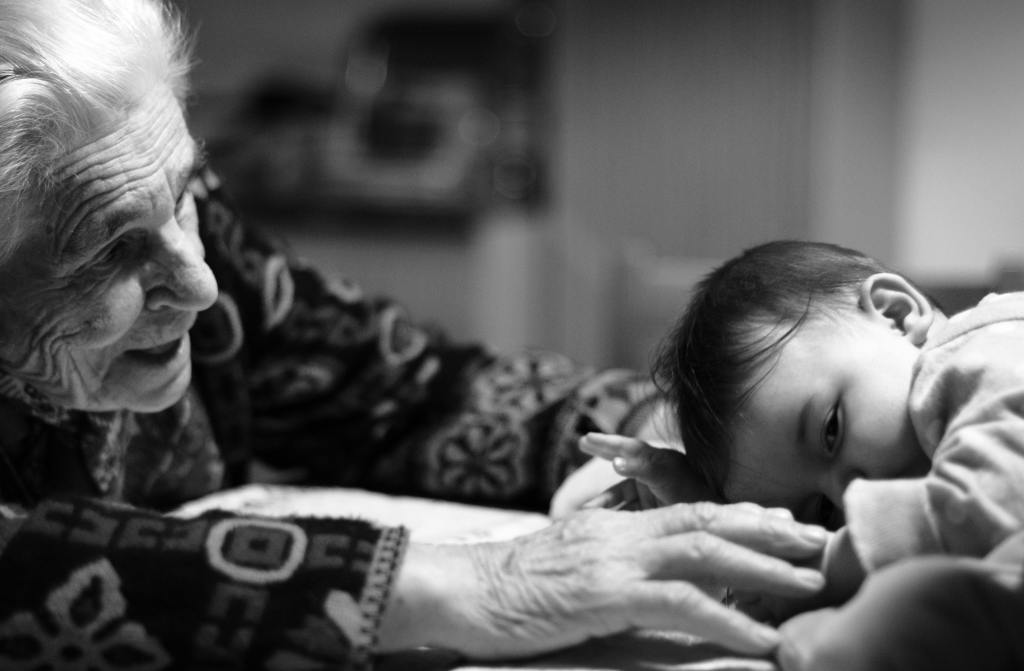
Dr. Samantha Davey, Lecturer in Law at the University of Essex, explores family dynamics in the context of grandparents as primary caregivers.
Grandparents may live miles or even continents away from their grandchildren. Pre-existing relationships may have been affected adversely because of Coronavirus-related self-isolation. Regardless of current events, many grandparents have played, and will continue to play, a pivotal role in the lives of their grandchildren.
Grandparents’ involvement may range from helping parents via part-time childcare to providing full-time care for children, in circumstances where children cannot be raised by their parents. The circumstances in which grandparents may become full-time carers will vary. Some parents voluntarily relinquish children into the care of grandparents. In other sad cases, Social Services may become involved in children’s lives due to issues faced by parents including alcohol addiction, drug abuse or mental illness which have led to child neglect or abuse.
In such cases, provision of care by grandparents will not necessarily have been at the parents’ behest. In circumstances such as these, grandparents are of particular importance since these children would otherwise be placed in foster care. Furthermore, some children would be placed for adoption, with a permanent loss of legal ties and relationships with birth parents and other family members, including grandparents.
Where grandparents provide an alternative care option to adoption, this route is not without challenges. Potentially, grandparents face conflicts due to a moral obligation to balance the interests of their offspring with, a moral and potentially legal obligation to protect the best interests of their grandchildren.
There are cases, for instance, where it may be appropriate for children to have only supervised contact with their parents or none at all. Furthermore, grandparents may face difficulties in receiving financial support or practical support for children who may have special educational or emotional needs.
Despite the challenges faced by grandparents, the care they provide is preferable to adoption. Indeed, when grandparents look after their grandchildren, they may well protect them from further uncertainty via foster care. This option also makes it possible to avoid the long-term severance of the legal tie between children and their birth family. In effect then, grandparents can be seen not solely as care providers but as a vital link to children’s birth family.
Unfortunately, grandparents lack automatic rights which are enjoyed by parents such as party status in legal proceedings. The involvement and importance of grandparents in children’s lives is not reflected in legislation. The government has many priorities. Reforming the law in relation to grandparents is simply not one of them. But is it time to open up a discussion on this issue? Should grandparents’ involvement in children’s lives warrant acknowledgement in legislation?
In due course a workshop on grandparents’ rights, law and social policy will be taking place at the University of Essex. The date of this is to be announced in the future due to the lockdown which is in place currently. If you are interested in producing a paper for this event, you are a grandparent affected by these issues or you have an interest in cases of adoption without parental consent please contact Dr Samantha Davey at smdave@essex.ac.uk.
A version of this article was first published on the MIHE Blog.
Lee Marsons, GTA in Public Law and PhD candidate at the University of Essex
Though lawyers normally loathe sweeping statements, it is fair to say that Covid-19 has affected virtually everything and everyone in the British state. As part of my work for the UK Administrative Justice Institute (UKAJI), I have been recording the response to the virus particularly from an administrative and public law perspective. In a little under a week, I have recorded over 150 incidents of administrative action connected to Covid-19, including the publication of guidance, policy, practice directions, advice, amendments, instructions, orders, postponements, and regulations. These entries can be found here. This is in addition to the behemoth parliamentary action in the form of the Coronavirus Act 2020, which will significantly expand and modify a variety of executive powers and duties. Rather than analyse the ‘correctness’ of any of these measures, which I would find impossible in the anxious immediacy and constancy of the pandemic, this post will instead highlight important features of the British response to Covid-19 connected to administrative law.
The expansion of administrative powers and suspension of administrative duties
The administrative response to Covid-19 has been vast, touching, among others, court and tribunal procedure, economic regulation, education provision, immigration enforcement, local government duties, ombud complaints-handling, and social security provision. In my UKAJI collation, there have been at least 28 statutory instruments issued by Ministers, as well as advice, policy alterations, and guidance published by virtually every public body in existence. By itself, the Coronavirus Act 2020 reaches 102 sections and 29 Schedules, and it contains some of the most significant expansions of administrative power in several generations, if not ever. The Bingham Centre for the Rule of Law has described the Act as creating the most sweeping administrative powers ever taken in peacetime. However, to my mind, it is not simply the creation of new administrative powers and penalties that is of interest, but also the mass disapplication of administrative duties found in other legislation, presumably so that authorities can focus their resources on combating the pandemic.
As far as administrative powers and duties, the 2020 Act permits the following:
Sections 2 to 4 and Schedules 1 to 3 permit nursing and medical registrars to temporarily register new medical practitioners outside of normal training rules, so long as those registered are ‘suitably experienced’;
Section 10 and Schedules 8 to 11 alter existing legislation on detention for mental health reasons, with the result that a detention may be ordered by a single medical practitioner if requiring the normal two would result in undesirable delay;
Section 15 and Schedule 12 disapply ordinary statutory duties on local authorities that require them to provide care to children, the disabled, and the elderly;
Section 25 permits Ministers to require information from persons involved in the food supply chain. Section 28 gives Ministers the power to impose a financial penalty on the balance of probabilities if they believe that the person has without reasonable excuse provided that information;
Sections 37-38 and Schedules 16, 17, and 18 give Ministers the power to issue directions on the closure of educational and childcare facilities;
Section 50 and Schedule 20 give Ministers the power to issue directions on the closure of any port, which also creates an offence for failure to comply with the direction;
Sections 51 and Schedule 21 give public health officers, constables, and immigration officials the power to direct a person to report to a coronavirus assessment and screening centre, while creating an offence for failure to comply with the direction;
Section 52 and Schedule 22 give Ministers the power to issue directions as to public movement, gatherings, premises, and events, while creating an offence for failure to comply with those directions; and
Section 76 grants the Treasury the power to direct HM Revenue and Customs (HMRC) to have any function related to coronavirus.
Ministers have started to exercise these powers, with the Act receiving Royal Assent on 25 March. Nevertheless, the Act is broadly inoperable thus far. The Coronavirus Act 2020 (Commencement No. 1) Regulations 2020 brought into force Schedule 13 of the Act which amends how deaths may be officially registered in England and Wales, and sections 19 and 21 of the Act which alter the requirement for confirmatory medical certificates for cremations in England, Wales, and Northern Ireland. In addition, the Coronavirus Act 2020 (Commencement No. 1) (Wales) Regulations 2020 brought into force s.10 on the modification of mental health and mental capacity legislation in Wales, along with Schedule 8 on proceedings of the mental health review tribunal in Wales. The Regulations also bring into force on 1 April s.15 which deals with the powers and duties of local authorities in Wales. The most substantial use thus far, however, has been by Scottish and Northern Irish Ministers, who issued the Health Protection (Coronavirus) (Restrictions) (Scotland) Regulations 2020 and the Health Protection (Coronavirus, Restrictions) (Northern Ireland) Regulations 2020, which, inter alia, order the closure of most businesses alongside imposing conditions on public movement and gatherings, with offences created to enforce the restrictions.
Home detention and business closure through ministerial directive
One of the remarkable features of the current response is that the most significant interferences with normal liberty – such as carrying on a business, leaving the house, and gathering in public – are being achieved by delegated legislation issued by the executive. As I noted here along with Theodore Konstadinides, thus far the vast majority of this delegated legislation has been issued without having been laid before Parliament for approval, due to reasons of urgency (though will have to be laid within 28 days). The most significant orders include the Health Protection (Coronavirus) (Restrictions) (Scotland) Regulations 2020, the Health Protection (Coronavirus, Restrictions) (Wales) Regulations 2020, the Health Protection (Coronavirus, Restrictions) (England) Regulations 2020, and the Health Protection (Coronavirus, Restrictions) (Northern Ireland) Regulations 2020. As I will make clearer, there are important differences between these Regulations – including the enabling power used and the imposed restrictions – but for now I will concentrate on broad similarities. Each regulation gives Ministers the power to declare an ‘emergency period’, starting when the regulations come into force. A Minister must review the need for restrictions every 21 days and the regulations expire after six months. In addition, there is a duty on the Minister to terminate a restriction if they no longer believe it to be necessary.
In terms of restrictions, the regulations impose closures on, inter alia, restaurants, cafes, bars, pubs, cinemas, betting shops, casinos, spas, salons, gyms, playgrounds, and outdoor markets (except food stalls). The regulations also impose conditions on freedom of movement and assembly. Each regulation declares, in language that feels peculiar to read in peacetime: ‘During the emergency period, no person may leave the place where they are living without reasonable excuse.’
A reasonable excuse includes, among others, obtaining household necessities, taking exercise, seeking medical assistance, attending a funeral, donating blood, avoiding injury or harm, caring for the vulnerable (defined as a person over 70, a person with a listed underlying health condition, or a pregnant woman), and to attend work where it is not reasonably possible to work from home. In addition, public gatherings of more than two people are prohibited, except for a finite number of reasons, including that the people are members of the same household, participating in lawful work, or fulfilling a legal obligation.
These restrictions are enforced by constables, police community support officers, designated local authority officers, or any other person designated by Ministers. These officials may issue a ‘prohibition notice’ to any person they reasonably believe is violating a restriction, if it is necessary and proportionate to prevent a person from violating that restriction. It is an offence, without reasonable excuse, to contravene a prohibition notice. Officials may also direct a person to return home, direct the dispersal of a gathering, or use reasonable force to require these things. Officials may further direct an adult responsible for a child to secure a child’s compliance with the restrictions if a child is repeatedly failing to comply. Contraventions may be punished by officials through ‘fixed penalty notices’, that is, financial penalties of £60 for a first contravention (or £30 if it is paid within fourteen days), £120 for a second contravention, up to a maximum of £960 for subsequent contraventions. No prosecution may be brought before twenty-eight days have passed since the imposition of the penalty and no prosecution at all may be commenced if a person has paid their liabilities under the notice.
One curious feature to emerge among the UK’s constituent nations is the slightly different restrictions imposed by the individual regulations. In Wales, Regulation 8 of expressly limits exercise to no more than once a day. In the English equivalent, there is no such limitation, nor in the Scottish or Northern Irish equivalents. Moreover, Regulation 4 of the Scottish Regulations and Regulation 6 of the Welsh Regulations require any business which is permitted to be open to take reasonable measures to ensure that persons maintain a distance of two metres while in the premises. There is no such requirement in the English or Northern Irish equivalents.
The vires of the Regulations
Another notable feature is that both the English and Welsh Regulations were issued under s.45C of the Public Health (Control of Disease) Act 1984, which enables Ministers to impose, inter alia, ‘restrictions or requirements on or in relation to persons, things or premises in the event of, or in response to, a threat to public health’ (s.45C(3)(c). These may be provisions that are general, contingent, or specific in nature (s.45C(2)(b)) and s.45F makes clear that Ministers may create offences, confer functions on any person, and provide for the enforcement of restrictions. Despite this apparent breadth, in a fascinating blog, Lord Anderson – the former Independent Reviewer of Counter-Terrorism Legislation – has highlighted a plausible vires concern. This is that s.45C(4) declares that restrictions may include in particular:
(a) a requirement that a child is to be kept away from school;
(b) a prohibition or restriction relating to the holding of an event or gathering;
(c) a restriction or requirement relating to the handling, transport, burial or cremation of dead bodies or the handling, transport or disposal of human remains; and
(d) a special restriction or requirement.
A special restriction or requirement in (d) is one that can only be applied by a magistrate under s. 45G(2). Anderson’s argument is that while the words in particular mean that the list is not exhaustive, any restriction imposed must nevertheless be eiusdem generis (of the same nature) as those in the list. The difficulty is that the listed examples more naturally refer to individual persons, not the entire country at large. Therefore, as Anderson notes: ‘An ultra vires challenge would attract strong arguments in both directions.’
By contrast, the Northern Irish and Scottish regulations were made under Schedules 18 and 19 of the Coronavirus Act 2020 respectively, which empower Northern Irish and Scottish Ministers to achieve the same in virtually identical language. This difference in enabling power is because the 1984 Act, by virtue of s.79, does not extend to Scotland or Northern Ireland. But I do not foresee any different vires issue arising from the use of different statutory frameworks. Not only is the language identical in the empowering provisions, but the subsequent provisions imposing conditions on those powers are also near identical, albeit modified to fit context. Section 45D(1) of the 1984 Act reads:
Regulations under section 45C may not include provision imposing a restriction or requirement…unless the appropriate Minister considers, when making the regulations, that the restriction or requirement is proportionate to what is sought to be achieved by imposing it.
And paragraph 2(1) in, for example, Schedule 19 of the 2020 Act reads:
Regulations under paragraph 1(1) may not include provision imposing a restriction or requirement…unless the Scottish Ministers consider, when making the regulations, that the restriction or requirement is proportionate to what is sought to be achieved by imposing it.
Given the particular impact of Covid-19 on the elderly and medically vulnerable; the consistent global action comparable to the UK’s; the lethality and infectivity being higher than standard influenza; the novel nature of the disease; the lack of judicial medical expertise; the importance of early and rapid containment; the lack of a vaccine; the possibility of a second winter peak in 2020; the fact that government policy appears simply to be following its medical officers; and evidence that the initial distancing advice was not being followed to a maximal degree, in my view suggests that, on a judicial review, these measures would be regarded as well within proportionate use of the powers.
Discouraging misbehaviour and zealous enforcement
One interesting, potentially problematic feature of the administrative response has been the eliding of the subtle – but crucial – distinction between government advice and the actual rules imposed by the Regulations. Naturally, ministerial advice as to social distancing and isolation is not replicated verbatim in the delegated legislation. This has led to debates about the legitimate role of the police in discouraging irresponsible behaviour, even when no specific rule prohibits that behaviour. One example that has rapidly become infamous is that of Derbyshire Police, who used a drone to record and publish footage of several people taking exercise in the Peak District. Derbyshire considered that it was ‘not appropriate to be getting in your car and travelling to take this exercise, particularly to a location, such as the Peak District that in normal times can become busy.’
Another concern that may proliferate is the seemingly zealous, legalistic, and literalistic enforcement of the Regulations by some officials. Section 6(2)(a) of the English Regulations, for instance, limit shopping trips to ones that ‘obtain basic necessities… and supplies for the essential upkeep, maintenance and functioning of the household…’. Because of this, one officer fined a customer in a supermarket £30 due to the customer having a birthday card alongside necessities in their shopping basket.
An inconclusive conclusion
The coronavirus pandemic is expected to peak in the UK between late April and early June of 2020. Therefore, the country is either at an early- or mid- stage in its response to the virus. Even if, on an irrationally optimistic assessment, a vaccine is produced, approved, and funded globally and imminently, the administrative situation is nevertheless changing daily – perhaps more frequently than that. Consequently, while this piece provides a brief overview of the situation at the time of writing, I am left with the inevitable unease that, even within a few hours, this information may be out of date. Such are the precarious, extraordinary times we are in.
Maurice Sunkin QC (Hon), Professor of Public Law in the School of Law, University of Essex and Dr Susan McPherson, Senior Lecturer in the School of Health and Social Care, University of Essex have published an article entitled ‘The Dobson-Rawlings pact and the National Institute for Health and Care Excellence: Impact of Political Independence on Scientific and Legal Accountability’.
The article, an example of the rich possibilities for cross-disciplinary work on law and health matters, considers whether the independence of the National Institute for Health and Care Excellence (NICE), while safeguarding guidelines from commercial lobbying, may render NICE legally and scientifically unaccountable.
The analysis examines the role of judicial reviews and stakeholder consultations in place of peer review in light of current debates concerning the depression guideline.
The full article is published in Volume 216, Issue 4 (pp. 231-234) of The British Journal of Psychiatry and can be accessed here. The full text is available here.
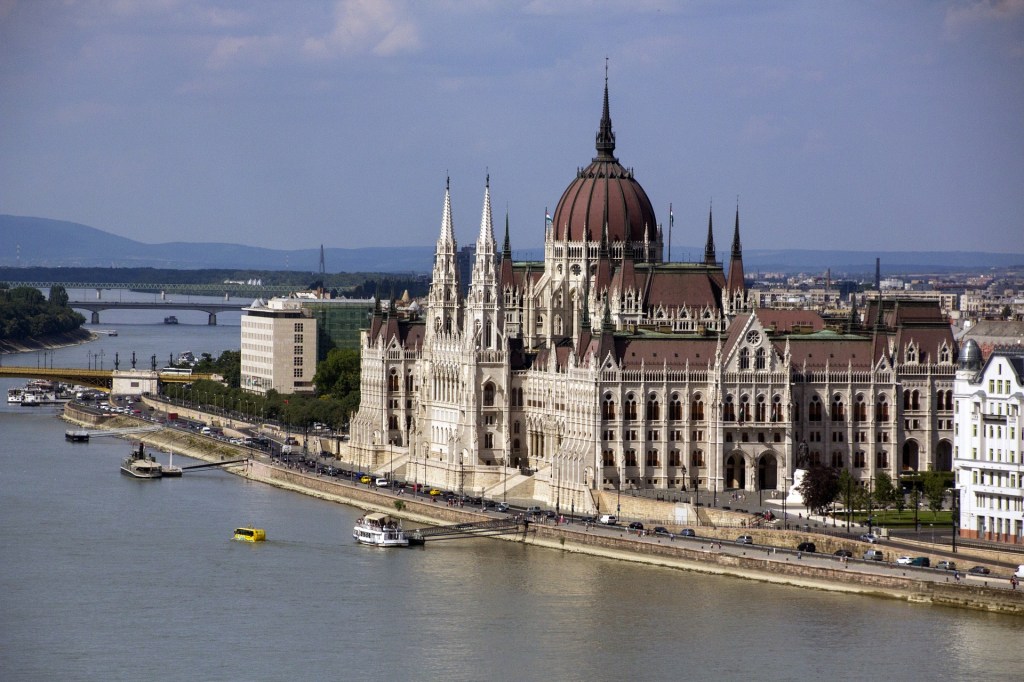
The current pandemic is testing political, legal, and social systems in significant ways. Europe has faced, among other things, strains regarding the notion of solidarity within the Union, questions as to the ability of economic and financial systems to co-ordinate responses, and now, in Hungary, challenges to the claimed democratic values of the Union itself.
The Hungarian Fundamental Law of 2011 regularly contemplates its own negation: Articles 48–54 establish a total of six ‘special legal orders’. These are the ‘state of national crisis’, the ‘state of emergency’, the ‘state of preventative defence’, the ‘terror-threat situation’, ‘unexpected attacks’, and the ‘state of danger’. It is through this last provision, defined as ‘a natural disaster or industrial accident endangering life and property’ that Viktor Orbán’s Fidesz party initially channelled its legal response to the Covid-19 pandemic. However, chafing under Article 53 (3)’s imposition of a 15-day limit on decrees under the ‘state of danger’, Orbán last week used his two-thirds parliamentary majority to pass what we can rightly call an Enabling Act, allowing him to rule by decree for an indefinite period. Others have written cogently of the Act as a ‘constitutional moment’; of how it fits perfectly with Orbán’s long-established patterns of behaviour; and of the dim prospects of EU law being any use against it, at least in the short- to medium-term. The purpose of this short piece is to accept and adopt these critiques, and to contrast the brilliant opportunism of Orbán’s move with the lumpen foolishness of the European response. What emerges from such a study paints a grim picture: the chancelleries of Europe full of little Neros, fiddling while the Hungarian Rechtsstaat burns.
The response from the Commission and from the Member States has been pathetic. On 31 March, Commission President Ursula von der Leyen tweeted that:
‘[i]t’s of outmost importance that emergency measures are not at the expense of our fundamental principles and values. Democracy cannot work without free and independent media. Respect of freedom of expression and legal certainty are essential in these uncertain times.’
She added that the Commission:
‘will closely monitor, in a spirit of cooperation, the application of emergency measures in all Member States. We all need to work together to master this crisis. On this path, we’ll uphold our European values & human rights. This is who we are & what we stand for.’
Such dishwater platitudes are to be expected from a President who owes her position to the votes of MEPs from Fidesz and from Poland’s ideologically-related ruling PiS party, and who thought it a clever idea to try to appoint a Commissioner for ‘Protecting Our European Way of Life’, (a post later made no less nonsensical and insulting by being changed to one of ‘promoting’ this alleged ‘way of life’).
A striking aspect of both these responses was their unwillingness—their seeming inability—to name Hungary, and to specifically state that Orbán’s power grab would be resisted and challenged. The consequences of this diplomatic squeamishness soon became clear: just a day later, on 2 April, in an act of the purest, most distilled chutzpah, the Hungarian government had the gall to join in adopting the statement issued by the ‘deeply concerned’ 17 Member States. Whatever his other flaws, we can credit Viktor Orbán with being a master of comic timing. Of course he joined the statement! Why wouldn’t he? After all, the statement did not identify any particular Member State as being the reason for the ‘deep concerns’ expressed, and by claiming to echo the Member States’ concerns, Orbán can continue to assert that his is an entirely mainstream—just very conservative—political project. This is in keeping with Fidesz’s continuing membership of the European People’s Party, which affords political cover to Orbán’s project of remaking Hungary in his image.
Meanwhile, the decrees are coming in thick and fast. The plan to build a ‘museum quarter’ in Budapest’s City Park, held up by the unexpected victory of the opposition in last year’s mayoral elections, will go ahead. A person’s legal sex will now be fixed at birth, and cannot be legally altered. Municipal theatres—rare islands of intellectual independence and the possibility of artistic and political dissent—will be brought under central government control. Quite what these measures have to do with stopping the spread of the coronavirus and managing the current crisis is not clear. What is clear is the Enabling Act is mere opportunism, seizing on a deadly threat to permit the government to go about its agenda with the very minimum of political, legal, and press scrutiny.
The idea of ‘naming and shaming’ as an enforcement method only works if you actually name offenders, and if the offenders are actually capable of feeling shame. Hungary’s mocking adoption of the joint statement demonstrates the sheer shamelessness of the Orbán government. The refusal of the Commission and the Member States to name Hungary and to specifically condemn Orbán’s behaviour illustrates the extent to which senior figures in Europe are beholden to a kind of comity of idiots, where each is afraid of being undiplomatic to the other, just in case the other might one day be undiplomatic to them.
The apparent reluctance of European heads of state and government to ‘interfere’ in one another’s ‘domestic’ affairs is a relic of a bygone age, a time when we really could draw such bright lines between the ‘national’ and the ‘European’. Our political leaders know this, but they maintain the pretence because it is a useful insulator: it preserves ‘the national’ as a kind of petty fiefdom, which will brook no criticism from outside, despite the fact that domestic action is influenced by, and in turn influences, action at the Union level and in every other Member State. The Enabling Act does not just endanger Hungary and Hungarians, but Europe and Europeans: the rot can spread from the Member States to the Union, from the Union to the Member States, and from one Member State to another. Orbán’s pollution of the Hungarian body politic; PiS’s degradation of Poland; and the murders of Daphne Caruana Galizia and Ján Kuciak are not directly related, but taken together they are all indicative of a Union sliding ever further into the mire, where the appearance of unity is more important than any actual substantive commonality of democratic standards, or those beloved ‘values’ of which we hear so much.
There has recently been at least some movement in terms of legal sanction for Orbán and those like him. AG Kokott last month argued that the CJEU should find Orbán’s ‘lex CEU’, by which the Central European University was hounded out of Budapest, in breach of EU and WTO law. This month, the CJEU held that Poland, Hungary, and Czechia had failed in their obligations under Union law to join in the EU’s relocation programme for the distribution of asylum-seekers across the Union. But these victories are partial, reactive, and belated, and have met with scorn from Fidesz. Union law in general, and the Treaties in particular, are simply not geared towards the rectification of the kind of authoritarian opportunism of which Orbán is the standard-bearer.
The tension between ‘capital Europe’ and ‘social Europe’ is as longstanding as the disconnect between ‘economic Europe’ and ‘political Europe’, but the current crisis is bringing these tensions to boiling point. Most notable is the issue of ‘solidarity’, a word frequently on the lips of European leaders but only rarely evident in their actions. The crisis exposes the EU’s historical baggage about what it is, what it does, and what it’s meant to be. From bailouts to borders to non-interference in ‘domestic’ politics, we must stop pretending that the EU can exist as a kind of rarefied space of apolitical technocracy. In this sense, we can learn a valuable lesson from Orbán: opportunities ought not to be wasted. The homeless can be housed. Private healthcare systems can be nationalised. The Union can—and must—take action in defence of its claimed fundamental values.
A young democracy in an old nation at the very heart of Europe is being snuffed out before our eyes, and our leaders are doing nothing.
At least Nero could play the fiddle.
This post first appeared on the DCU Brexit Institute Blog and is reproduced here with permission and thanks.
Marios Koutsias, Senior Lecturer in EU Commercial Law and Company Law at the University of Essex and Janet Dine, Professor of International Economic Development Law at Queen Mary, University of London have published the 9th edition of their Company Law textbook.
Company law covers issues that relate to the creation of a company, its governance and administration, its relationship with important societal groups, such as employees, creditors, the environment or the local community where a company effectively operates, and issues such as the dissolution of the company after a potential insolvency and takeovers. Therefore, it is an area of law that regulates significant aspects of economic and societal activities. In this sense, an understanding of company law is indeed necessary for an understanding of the society within which it operates.
This is exactly what the book does. It explains the roots of company law in this country. It does not just look at the law but, it presents the theories and the wider socio-economic and political debates that underpin the dominant legal principles in this field. Therefore, it provides a full understanding not only of the current legislative framework, but also of the complex historical and cultural debates which came to shape it, but with a great degree of clarity.
J Dine and M Koutsias, Company Law (9th edn, Macmillan International 2020)
The textbook examines all matters which stand at the core of English company law, which is placed in an international context. It examines the nature of a company and its institutional architecture and governance which is viewed in a comparative manner with other international jurisdictions. It considers the articles of association, which are both of contractual and constitutional nature and the challenges which flow from their dual nature. It looks at corporate management issues and it focuses on balance of power between the management and the shareholders. It also examines takeovers and insolvency in detail and it places emphasis on the operation of transnational groups and the challenges stemming from their cross-border nature and operation.
Further information on the latest edition can be found here.










 Essex Law Research Blog